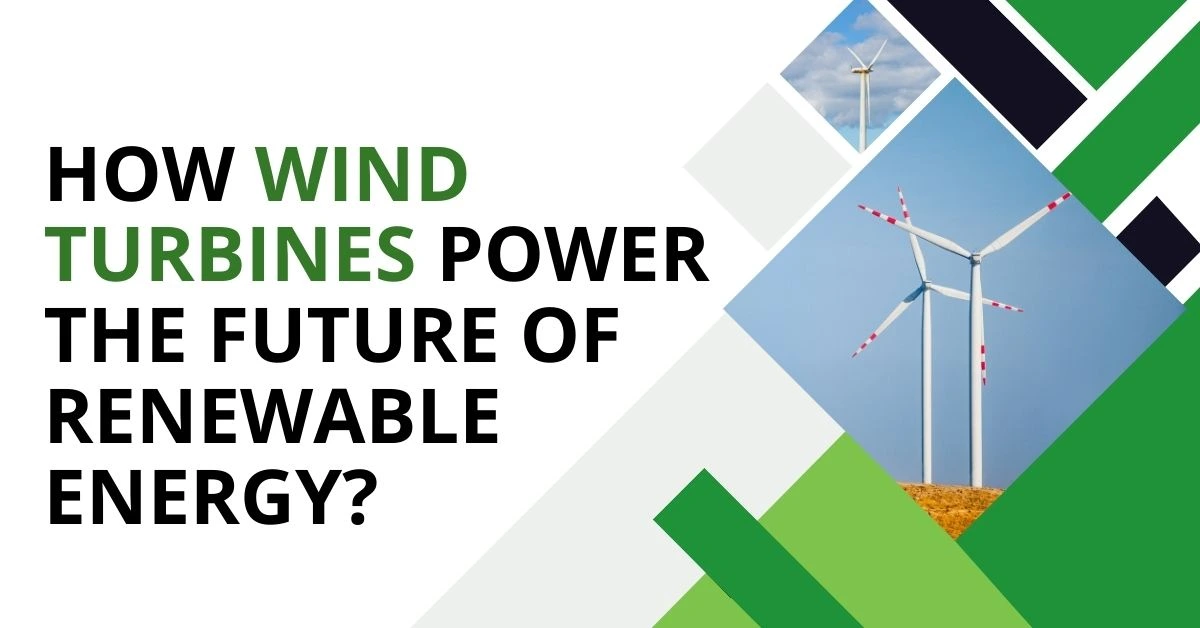
The transition to renewable energy is one of the most significant global movements of the…
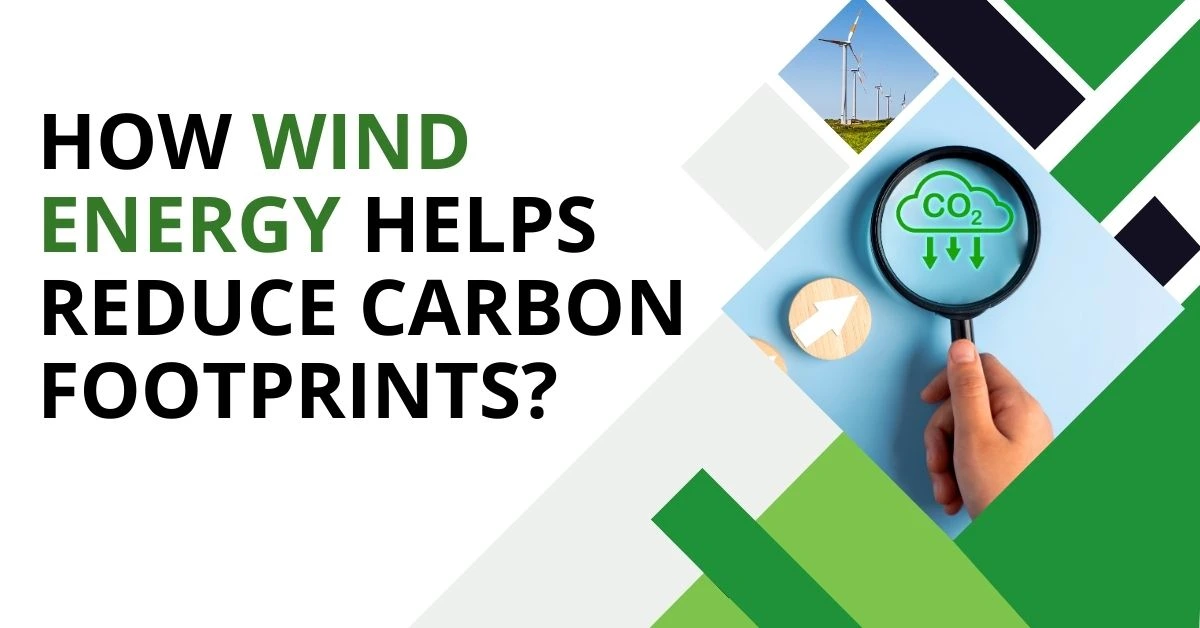
The world is moving toward sustainable energy solutions to combat the growing concerns of climate change. Among the many renewable energy sources, wind energy stands out as a powerful ally in reducing our carbon footprint. But how exactly does it achieve this? Let’s dive in.
What is Carbon Footprint?
A carbon footprint refers to the total amount of greenhouse gases (GHGs), particularly carbon dioxide (CO2), released into the atmosphere as a result of human activities. These emissions primarily come from burning fossil fuels for energy, transportation, and industrial processes. Reducing our carbon footprint is crucial for slowing climate change and preserving the environment.
Wind Energy: A Clean Power Source
Wind energy harnesses the natural power of the wind to generate electricity. Using turbines, wind energy converts kinetic energy from the wind into electrical power without burning fossil fuels. This makes it one of the cleanest energy sources available.
Ways Wind Energy Reduces Carbon Footprint
- Zero Emissions During Operation Wind turbines produce electricity without emitting carbon dioxide or other greenhouse gases. Unlike coal or natural gas power plants, wind energy generation does not contribute to air pollution.
- Replacement of Fossil Fuels By supplying clean electricity, wind energy reduces the need for fossil fuel-based power plants. This transition helps lower overall GHG emissions from the energy sector.
- Energy Efficiency Wind energy is highly efficient, with modern turbines capable of generating significant amounts of power even in moderate wind conditions. This efficiency reduces reliance on energy sources with higher carbon outputs.
- Reduced Dependence on Imported Fuels Many countries rely on imported fossil fuels to meet their energy needs. By investing in wind energy, nations can decrease their dependence on these imports, reducing the emissions associated with fuel transportation.
- Long Lifespan with Minimal Environmental Impact Once installed, wind turbines have a lifespan of 20-25 years and require minimal maintenance. Over their lifetime, they generate clean energy that offsets the emissions produced during their manufacturing and installation.
Ready to embrace a greener future? Discover how wind energy can power your life sustainably and help combat climate change. Learn more today!
Environmental and Economic Benefits
- Improved Air Quality: Wind energy reduces pollutants like sulfur dioxide and nitrogen oxides, leading to cleaner air and better health for communities.
- Job Creation: The wind energy industry creates numerous jobs in manufacturing, installation, and maintenance, contributing to a green economy.
- Preservation of Natural Resources: By reducing fossil fuel consumption, wind energy helps conserve natural resources for future generations.
Wind Energy in Action
Countries worldwide are embracing wind energy to meet their energy needs sustainably. For instance, Denmark generates nearly half of its electricity from wind power, while the United States and China are rapidly expanding their wind energy capacities.
Conclusion
Switching to wind energy is an effective way to reduce our carbon footprint. Its ability to generate electricity without harmful emissions makes it a vital part of the fight against climate change. By investing in wind power, we can pave the way for a cleaner, greener, and more sustainable future.
Related Posts