Rising electricity prices and increasing fuel costs are major challenges for farmers worldwide. Agricultural operations…
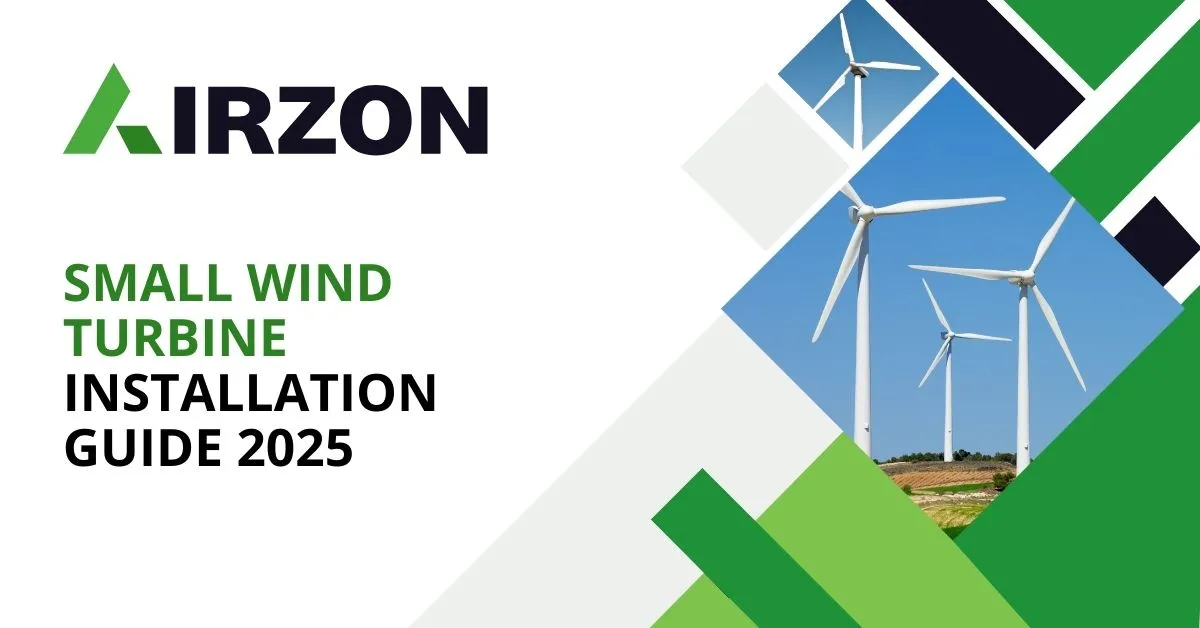
As the world shifts toward renewable energy, small wind turbines have become a reliable solution for homeowners, businesses, and off-grid users. They help reduce electricity bills, lower carbon footprints, and provide energy independence. If you are planning to install a small wind turbine in 2025, this guide will walk you through the essential steps, requirements, and tips to ensure a smooth installation.
Why Choose a Small Wind Turbine in 2025?
A small wind turbine converts wind energy into electricity for residential and commercial use. With advancing technology and government subsidies, 2025 is the best time to invest. These turbines are ideal for rural areas, farms, coastal regions, and homes with sufficient wind speeds.
Step 1: Site Assessment
Before installation, conduct a site survey to check:
Wind Speed – Minimum 4.5–5 m/s average wind speed is recommended.
Location – Open areas free from tall buildings or trees give maximum efficiency.
Energy Requirement – Calculate your average monthly consumption to choose the right capacity.
Step 2: Choosing the Right Small Wind Turbine
Different models exist based on capacity and application:
1–5 kW turbines – Ideal for homes and small businesses.
5–20 kW turbines – Suitable for farms and medium enterprises.
Hybrid systems – Combine solar and wind for consistent power.
Always choose a certified small wind turbine manufacturer to ensure safety and durability.
Step 3: Legal Approvals & Subsidies
In 2025, many governments are offering subsidies, rebates, and tax credits for small wind turbines.
- Apply for net metering to sell surplus power to the grid.
- Check with your local renewable energy board for installation permits.
- Avail up to 20–40% capital subsidy depending on your country’s renewable policy.
Step 4: Installation Process
Foundation Setup – Strong base to support tower stability.
Tower Installation – Mount the turbine on a 10–30m high tower.
Turbine Assembly – Fix blades, rotor, and generator unit.
Wiring & Inverter Setup – Connect to batteries or directly to the grid.
Testing & Commissioning – Ensure smooth operation before final handover.
Professional installation ensures maximum efficiency and long-term performance.
Looking for expert help with small wind turbine installation? Contact us today for customized solutions tailored to your energy needs.
Step 5: Maintenance & Monitoring
A small wind turbine requires periodic checks for:
- Blade condition and lubrication
- Tower stability and wiring
- Inverter and battery performance
With proper maintenance, turbines can last 20–25 years.
Frequently Asked Questions
Most small wind turbines need at least 4.5–5 m/s average wind speed.
Yes, with proper site conditions, legal approval, and professional installation.
With maintenance, a small wind turbine can last 20–25 years.
Yes, many countries offer 20–40% subsidies, tax rebates, and net metering benefits.
Conclusion
Installing a small wind turbine in 2025 is a smart, eco-friendly, and cost-effective decision. With government incentives, improved technology, and growing demand for clean energy, small wind turbines are set to become a key part of sustainable living.
Related Posts