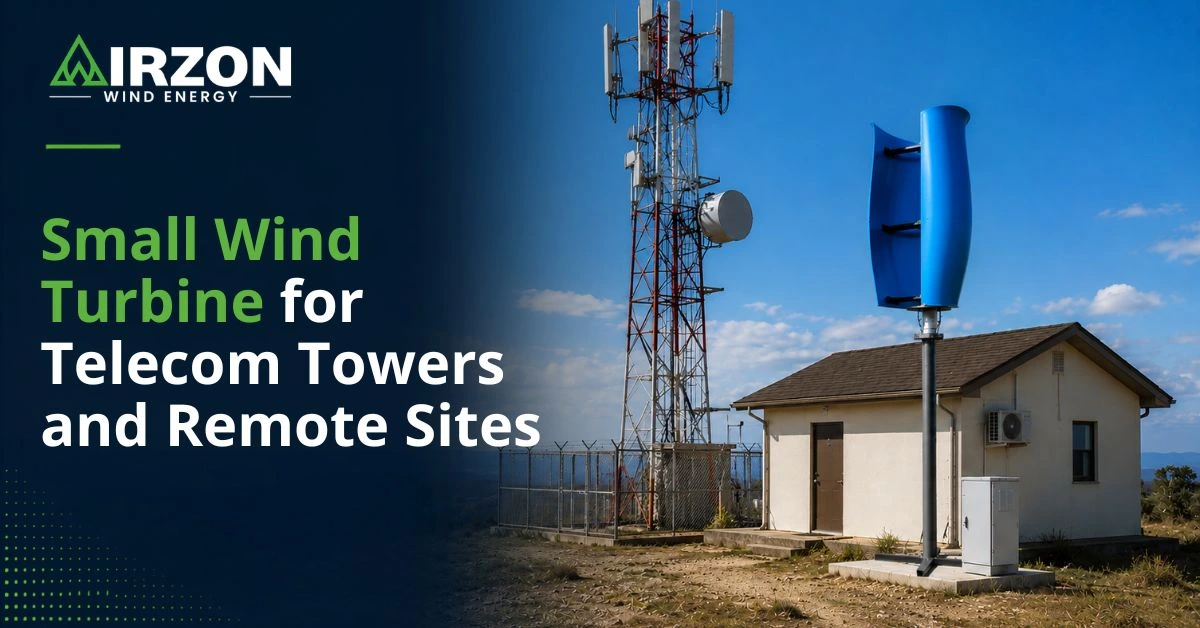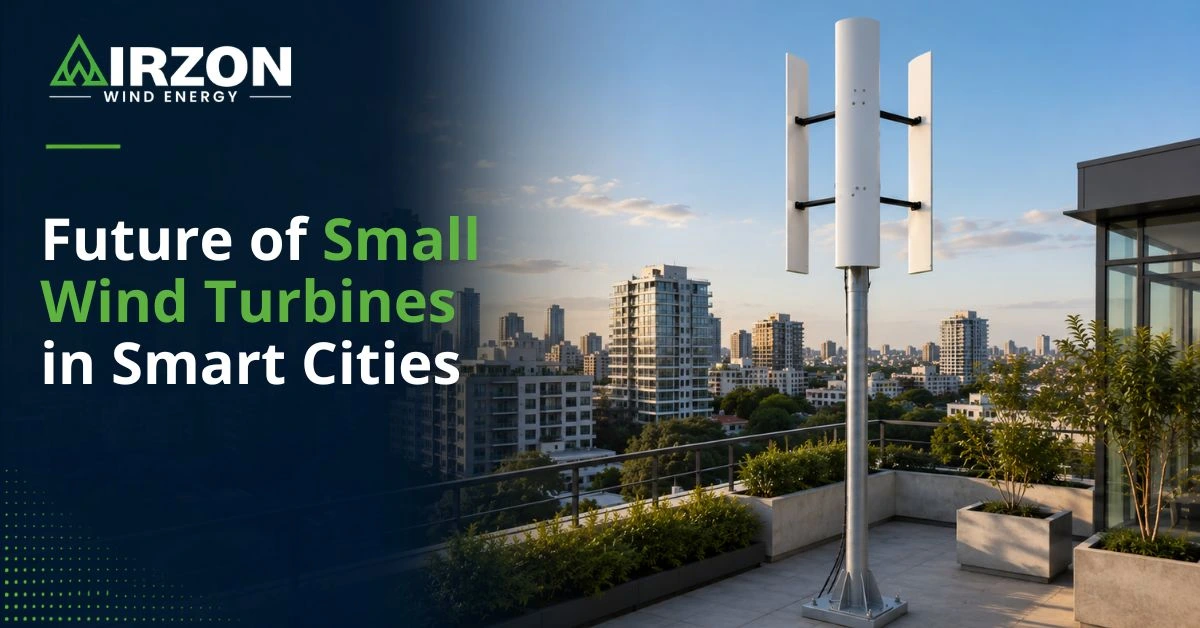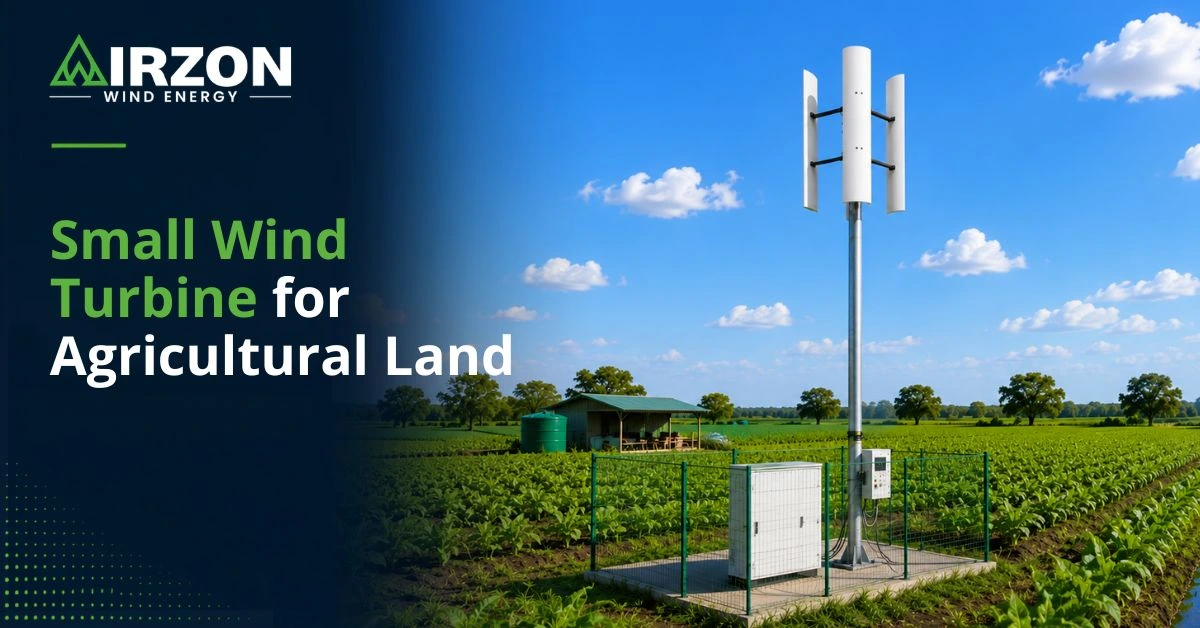
Reliable electricity is essential for telecom towers and remote sites where grid connectivity may be…
Rising electricity costs have encouraged many homeowners and businesses to explore alternative energy sources that offer long-term savings and greater energy independence. Traditional electricity systems often lead to increasing monthly utility expenses, especially in areas with high energy consumption and unstable power costs.
This is why many people are now investing in small wind turbines as a sustainable solution for reducing energy expenses. These systems generate renewable electricity by converting wind energy into usable power for residential, commercial, and off-grid applications. Along with supporting clean energy goals, small wind turbines can also help lower dependence on conventional electricity sources.
As renewable energy technologies continue improving, more users are considering whether wind energy systems can realistically reduce monthly electricity bills and provide long-term financial benefits.
How Small Wind Turbines Generate Electricity
Small wind turbines are designed to convert natural wind movement into electrical energy. As wind rotates the turbine blades, the system generates electricity that can be used to power homes, businesses, and energy storage systems.
Many modern Wind Turbines for Electricity Generation are designed to operate efficiently in different environmental conditions while supporting long-term energy production.
Common applications include:
- Residential energy systems
- Commercial buildings
- Remote locations
- Agricultural operations
- Hybrid renewable energy systems
Many renewable energy systems use small wind turbines to generate clean and sustainable electricity.
Can Small Wind Turbines Help Reduce Monthly Electricity Bills?
One of the main reasons people invest in wind energy systems is to reduce long-term electricity costs. Small wind turbines help generate independent power, reducing the amount of electricity required from traditional utility providers.
The amount of savings depends on several factors, including:
- Wind availability
- Energy consumption
- Turbine size
- System efficiency
- Installation location
In areas with consistent wind conditions, Wind Turbines Electricity systems can significantly reduce monthly utility expenses over time.
How Small Wind Turbines Help Reduce Electricity Costs
| Factor | Traditional Electricity | Small Wind Turbines |
| Energy Source | Utility Grid Power | Renewable Wind Energy |
| Monthly Electricity Bills | Higher Long-Term Costs | Reduced Energy Expenses |
| Environmental Impact | Higher Carbon Emissions | Clean & Sustainable Power |
| Energy Independence | Dependent on Utility Providers | Greater Energy Control |
| Long-Term Savings | Limited Cost Stability | Better Long-Term Savings |
| Off-Grid Capability | Limited | Suitable for Remote Locations |
| Renewable Energy Support | Low | High |
Benefits of Using Small Wind Turbines for Electricity Generation
Small wind energy systems provide both environmental and financial advantages for users looking to improve energy efficiency and reduce electricity dependency.
Lower Electricity Costs
One of the biggest advantages of using Wind Turbines Energy systems is long-term cost reduction. By generating electricity independently, users can reduce their reliance on grid-based power systems.
Cost-saving benefits include:
- Reduced monthly electricity bills
- Lower long-term energy expenses
- Better control over power usage
- Reduced dependency on utility providers
These savings become more noticeable over extended periods of system operation.
Sustainable and Clean Energy Production
Wind energy is a cleaner alternative to conventional power generation systems, and small wind turbines generate electricity without producing harmful emissions or pollution.
Environmental benefits include:
- Reduced carbon footprint
- Sustainable power generation
- Lower environmental impact
- Support for renewable energy goals
Many businesses and homeowners choose Wind Turbines for Electricity Generation to support cleaner and more eco-friendly energy practices.
Energy Independence
Relying entirely on traditional electricity providers can create long-term financial uncertainty due to changing utility rates. Small wind turbines help users gain more control over their electricity production and energy usage.
Energy independence benefits:
- Reduced dependence on external power sources
- More stable long-term energy planning
- Reliable off-grid power support
- Better energy management flexibility
This makes wind energy systems especially useful for remote locations and off-grid applications.
Long-Term Financial Value
Although small wind turbines systems require an initial investment, they can provide long-term savings through reduced electricity costs and lower operational expenses.
Financial advantages include:
- Long-term energy savings
- Reduced operational costs
- Improved energy efficiency
- Potential return on investment over time
Modern Wind Turbines Bill reduction strategies often focus on combining renewable systems with efficient energy management practices.
Looking for cost-effective renewable energy solutions? Contact us today to explore efficient and sustainable small wind turbine systems.
Factors That Affect Electricity Bill Savings
The ability of small wind turbines to reduce monthly bills depends on multiple environmental and operational factors.
Important considerations include:
- Average wind speed
- Installation height
- Turbine efficiency
- Energy consumption patterns
- System maintenance
Proper system planning and Installation help improve energy output and long-term cost savings.
Why Hybrid Renewable Energy Systems Are Becoming Popular
Many users combine small wind turbines with solar energy systems to improve energy reliability and maximize renewable power generation.
Hybrid systems help:
- Increase energy consistency
- Improve backup power availability
- Optimize renewable energy production
- Reduce overall electricity dependency
Combining wind and solar technologies can improve both sustainability and long-term operational efficiency.
Maintenance and Performance Optimization
Regular maintenance helps ensure that small wind turbines continue operating efficiently and generating stable electricity output.
Maintenance activities include:
- Blade inspections
- System monitoring
- Performance testing
- Electrical system checks
- Preventive maintenance
Well-maintained Wind Turbines Energy systems typically provide better long-term reliability and operational performance.
Future of Small Wind Turbines in Renewable Energy
As energy costs continue increasing, renewable energy technologies are becoming more important for residential and commercial power generation. Small wind turbines offer a practical solution for users looking to reduce electricity expenses while supporting sustainable energy goals.
Advancements in wind energy technology continue improving:
- Turbine efficiency
- Power generation capacity
- Durability
- System integration capabilities
These improvements are helping small wind turbines become more accessible and effective for modern energy needs.
Frequently Asked Questions
Yes, small wind turbines can help reduce electricity bills by generating renewable power and lowering dependence on utility-based electricity.
These systems convert natural wind energy into electrical power through rotating turbine blades and power generation systems.
Yes, many small wind turbine systems are designed for residential energy generation and off-grid applications.
Wind speed, installation location, turbine design, and maintenance all affect system efficiency and power generation performance.
Yes, regular inspections and maintenance help improve efficiency, reliability, and long-term system performance.
Conclusion
Small wind turbines are becoming an increasingly practical solution for reducing electricity costs and supporting sustainable energy generation. By producing renewable electricity from natural wind resources, these systems help homeowners and businesses lower dependency on traditional power sources while improving long-term energy efficiency.
From reducing monthly utility expenses to supporting cleaner energy production, Wind Turbines for Electricity Generation provide both environmental and financial benefits. As renewable technologies continue advancing, small wind turbines will play an important role in helping users achieve greater energy independence and long-term savings.
Related Posts