Areas with limited or inconsistent wind resources can still benefit from renewable wind energy when…
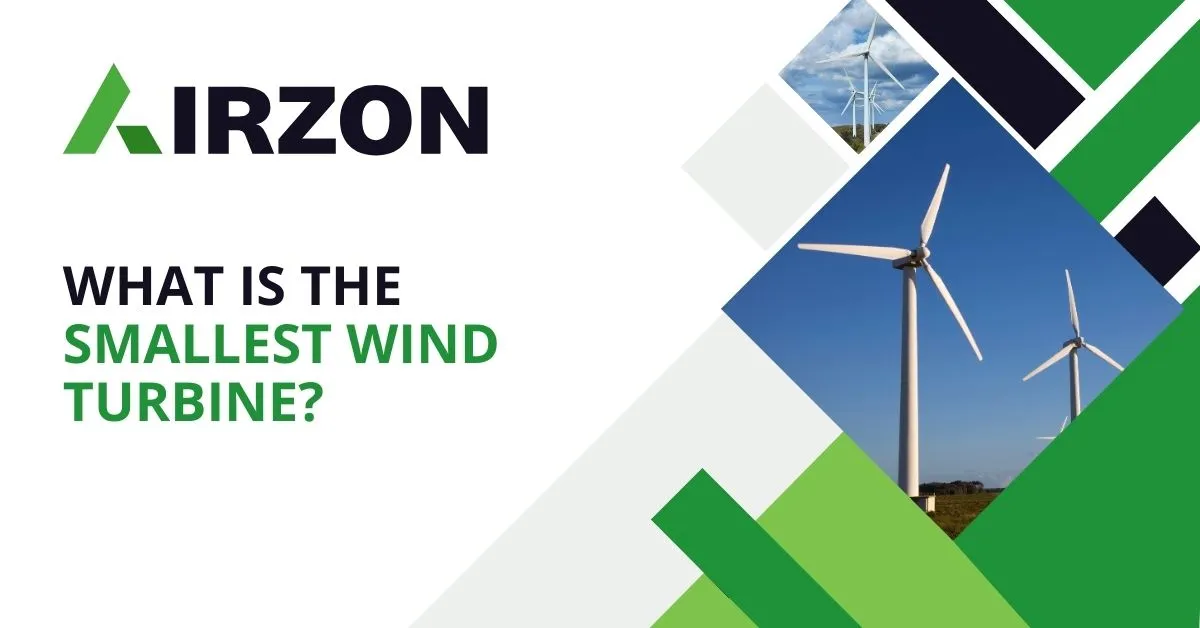
As renewable energy solutions become more accessible, many people are asking a simple but important question: what is the smallest wind turbine available today? Whether you’re a homeowner, camper, off-grid enthusiast, or sustainability advocate, small and micro wind turbines offer a compact way to generate clean electricity without massive infrastructure.
This guide explores the smallest wind turbines, how they work, where they are used, and whether they are practical for real-world energy needs.
The smallest wind turbine is typically classified as a micro wind turbine, capable of generating electricity at very low wattage levels—usually between 5 watts and 500 watts.
These turbines are designed for:
- Low energy demands
- Limited space
- Portable or supplemental power generation
Unlike large commercial wind turbines, micro wind turbines prioritize size, efficiency, and ease of installation over high output.
Types of Small Wind Turbines
1. Micro Wind Turbines (5W–100W)
Micro wind turbines are the smallest wind turbines available on the market.
Common features:
- Palm-sized to backpack-sized
- Lightweight construction
- Often portable
- Designed for charging batteries or small devices
Typical uses:
- Camping and RVs
- Boats and marine electronics
- Weather stations
- IoT devices
2. Mini Wind Turbines (100W–500W)
Mini wind turbines are slightly larger but still considered small wind turbines for home or off-grid use.
Typical applications:
- Cabin power systems
- Hybrid solar + wind setups
- Emergency backup power
These turbines can power LED lights, small appliances, and battery banks when wind conditions are favourable.
How Small Can a Wind Turbine Be?
Some experimental and commercial designs are smaller than a laptop fan, with rotor diameters under 30 cm. While these ultra-small turbines don’t produce much electricity, they demonstrate how wind energy can be harvested at micro levels.
Key limitations of ultra-small wind turbines:
- Very low power output
- Highly dependent on wind speed
- Best suited for niche applications
How Do Small Wind Turbines Work?
Small wind turbines operate on the same principle as large turbines:
- Wind turns the blades
- The rotor spins a generator
- Mechanical energy converts to electrical energy
- Power is stored in batteries or used directly
However, micro wind turbines are optimized for:
- Low startup wind speeds
- Quiet operation
- Minimal maintenance
Smallest Wind Turbine for Home Use: Is It Practical?
Many people search for “smallest wind turbine for home”, but practicality depends on expectations.
Advantages
- Clean, renewable energy
- Compact size
- Can complement solar panels
- Works day and night (unlike solar)
For most homes, small wind turbines work best as a supplemental energy source, not a replacement for grid or solar power.
Ready to harness clean, reliable wind energy? contact us today for a custom solution that fits your power needs.
Small Wind Turbine vs Solar Panels
A small wind turbine generates electricity from wind and can work day and night, making it suitable for windy areas, even in cloudy weather. However, it depends on consistent wind and may require more maintenance.
Solar panels produce energy from sunlight, are quiet, low maintenance, and easy to install, but only generate power during the day and perform best in sunny conditions.
| Feature | Small Wind Turbine | Solar Panels |
| Size | Very compact | Requires surface area |
| Power consistency | Wind-dependent | Sun-dependent |
| Night operation | Yes | No |
| Maintenance | Moderate | Low |
| Best use | Windy locations | Sunny locations |
Many users achieve the best results with a hybrid wind-solar system.
Popular Uses of the Smallest Wind Turbines
Small and micro wind turbines are commonly used in:
- Off-grid cabins
- Remote sensors
- Telecommunication towers
- Marine applications
- Emergency power systems
- Educational and research projects
These use cases match the growing search intent for:
- portable wind turbine
- mini wind turbine generator
- small wind turbine for off grid
Are the Smallest Wind Turbines Worth It?
The answer depends on your energy needs and location.
Small wind turbines are worth considering if:
- You live in a consistently windy area
- You need low-power, continuous charging
- You want a renewable backup energy source
They are not ideal if:
- You expect high wattage output
- Wind speeds are inconsistent
- Space is extremely restricted
Environmental Impact of Small Wind Turbines
One major advantage of micro wind turbines is their low environmental footprint.
Benefits include:
- Zero emissions
- Minimal land use
- Low noise pollution
- Long operational lifespan
This makes them an eco-friendly option for localized power generation.
Frequently Asked Questions
The smallest wind turbines are micro wind turbines, some producing as little as 5–10 watts for low-power applications.
No. Small wind turbines cannot fully power a house but can support battery charging or supplemental energy needs.
Most small turbines require 8–12 mph (3.5–5.5 m/s) wind speeds to operate effectively.
Most modern micro wind turbines are very quiet, often producing less noise than household fans.
Yes. Hybrid wind-solar systems are popular and improve overall energy reliability.
Conclusion
The smallest wind turbine offers a compact, eco-friendly way to generate electricity for low-power and off-grid applications. While it won’t replace traditional energy systems, it plays an important role in micro-generation, sustainability, and energy independence.
If you live in a windy area and need supplemental renewable power, a micro or mini wind turbine can be a smart, forward-thinking investment.
Related Posts