A small wind turbine is built to operate in changing weather conditions, but severe storms,…
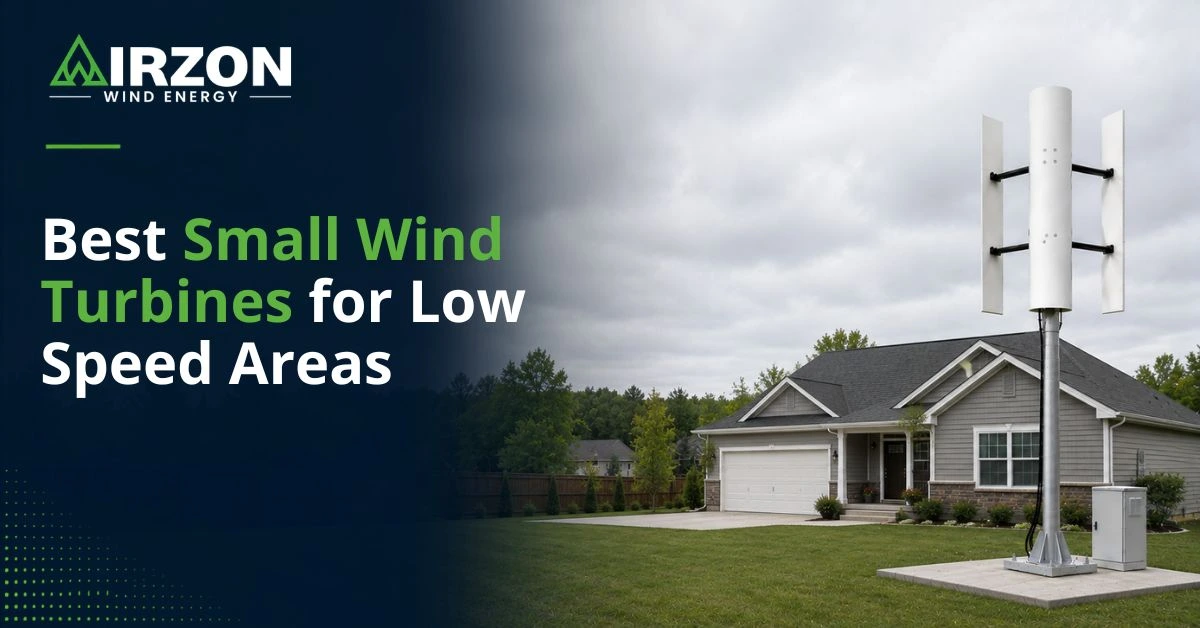
Areas with limited or inconsistent wind resources can still benefit from renewable wind energy when the right Small Wind Turbine is selected. Turbine design, generator efficiency, blade configuration, starting performance, and installation height all influence how effectively a system can capture low-speed winds. Choosing a turbine designed for these conditions helps improve energy generation and makes wind power more practical for residential, agricultural, commercial, and remote applications.
Wind speed varies significantly from one location to another. While some sites experience strong and consistent winds, others have lower average speeds that make conventional turbine designs less effective. This does not necessarily mean wind energy is unsuitable. Instead, the turbine must be matched to the actual characteristics of the site.
A Small Wind Turbine designed for low wind conditions can begin generating electricity at relatively lower wind speeds and make better use of available wind resources. Understanding turbine design and site requirements is therefore important when selecting a suitable system.
What Makes a Small Wind Turbine Suitable for Low Wind Speeds?
A Small Wind Turbine intended for low wind speed areas needs to capture available wind energy efficiently and start operating without requiring strong gusts. Several design characteristics contribute to its performance.
Blade design plays an important role because properly designed blades can capture more energy from slower-moving air. The generator and drivetrain must also be matched to the turbine’s operating range so that available wind energy can be converted efficiently into electricity.
A turbine with good starting performance and an appropriately designed rotor can make better use of low-speed wind conditions than a system designed primarily for high-wind locations.
Key Features of a Low Wind Speed Wind Turbine
Several features can improve the suitability of a Small Wind Turbine for locations with lower wind speeds.
Efficient Blade Design
Blades designed for low-speed operation can capture available wind energy more effectively. Rotor size, aerodynamic profile, and blade configuration all influence how efficiently the turbine extracts energy from the wind.
Low Starting Wind Speed
A turbine that can begin rotating and generating electricity at lower wind speeds can make better use of the available wind resource. However, starting wind speed and rated performance are different specifications and should both be considered when comparing turbines.
Efficient Generator
The generator should be matched to the turbine’s operating characteristics. Efficient electrical conversion helps maximize the amount of usable power produced from available wind energy.
Appropriate Rotor Size
A larger swept area can allow a turbine to capture more energy from slower wind currents. The appropriate rotor size depends on the turbine design, installation location, structural requirements, and expected wind conditions.
Reliable Operation
Low-wind applications still require durable equipment capable of operating under changing environmental conditions. Quality components and proper system design contribute to dependable long-term performance.
Looking for a wind turbine suitable for low wind conditions? Contact us today to explore an efficient Small Wind Turbine solution for your site.
How Wind Turbine Design Affects Low-Speed Performance
Small Wind Turbine Design has a direct influence on how effectively a system performs in low-wind environments. The rotor, blades, generator, tower, and control system must work together within the expected wind range.
A design optimized for high wind speeds may not provide the same results in a location where wind speeds are generally lower. For this reason, homeowners, farmers, and businesses should evaluate the manufacturer’s power curve rather than selecting a turbine based only on its maximum rated capacity.
The power curve shows how much electricity a turbine is expected to generate at different wind speeds and provides a more useful indication of suitability for a particular site.
Why Site Selection Matters in Low Wind Areas
Even the best low-wind turbine requires an appropriate installation location. Buildings, trees, hills, and other structures can create turbulence and reduce the quality of available wind.
Installing the turbine at a suitable height and in an area with fewer obstructions can provide smoother airflow and improve energy capture. A professional site assessment can evaluate local wind conditions, surrounding obstacles, tower requirements, and expected energy production before installation.
Small Wind Turbine for Residential and Remote Applications
A Small Wind Turbine can be considered for homes, farms, remote properties, telecommunications infrastructure, and other locations where decentralized electricity generation is required.
For residential applications, the system can supplement conventional electricity or work as part of an off-grid renewable energy setup. In remote areas, combining wind generation with solar panels and battery storage can provide a more reliable renewable energy supply.
The actual suitability depends on local wind conditions and the property’s energy requirements.
Combining Wind and Solar for Low Wind Locations
A low-wind location may benefit from a hybrid renewable energy system rather than relying on wind generation alone. Combining a Small Wind Turbine with solar panels allows the system to use two different renewable resources.
Wind generation can contribute during windy periods, while solar panels produce electricity during suitable daylight conditions. Battery storage can further improve energy availability by storing excess electricity for later use.
This approach can provide:
- More balanced renewable energy generation
- Improved energy reliability
- Better utilization of available natural resources
- Reduced dependence on conventional electricity
- Greater flexibility for off-grid applications
How to Choose the Right Small Wind Turbine for Low Wind Areas
Choosing the right system requires more than comparing the Small Wind Turbine Cost of different models. The turbine should be evaluated according to its expected performance at the wind speeds available at the installation site.
Important factors include:
- Average and seasonal wind speed
- Cut-in wind speed
- Turbine power curve
- Rotor diameter and swept area
- Generator technology
- Tower height
- Installation environment
- Annual energy requirements
- Maintenance and service requirements
Comparing these specifications helps ensure the selected turbine is appropriate for the actual wind resource rather than simply its advertised maximum output.
Frequently Asked Questions
Yes. Certain Small Wind Turbine designs are optimized to capture energy from lower wind speeds. However, actual performance depends on the turbine’s specifications and local wind conditions.
A low wind speed wind turbine is designed to generate useful power in locations where average wind speeds are lower than those typically required by conventional high-wind turbine systems.
A larger swept area can help capture more wind energy, but rotor size must be considered alongside turbine design, structural requirements, and the site’s wind conditions.
The power curve shows how much electricity a turbine can produce at different wind speeds. It helps determine whether a turbine is suitable for the actual wind conditions at a proposed installation site.
Yes. A Small Wind Turbine can be integrated with solar panels and battery storage to create a hybrid renewable energy system with improved energy availability.
Conclusion
Selecting the best Small Wind Turbine for a low wind speed area requires careful consideration of turbine design, wind conditions, power curves, rotor characteristics, generator efficiency, and installation location. A system designed for lower wind speeds can make better use of available natural resources, while a professional site assessment helps determine expected performance. For locations where wind conditions vary, combining wind with solar and battery storage can provide a more reliable renewable energy solution.
Related Posts