Areas with limited or inconsistent wind resources can still benefit from renewable wind energy when…
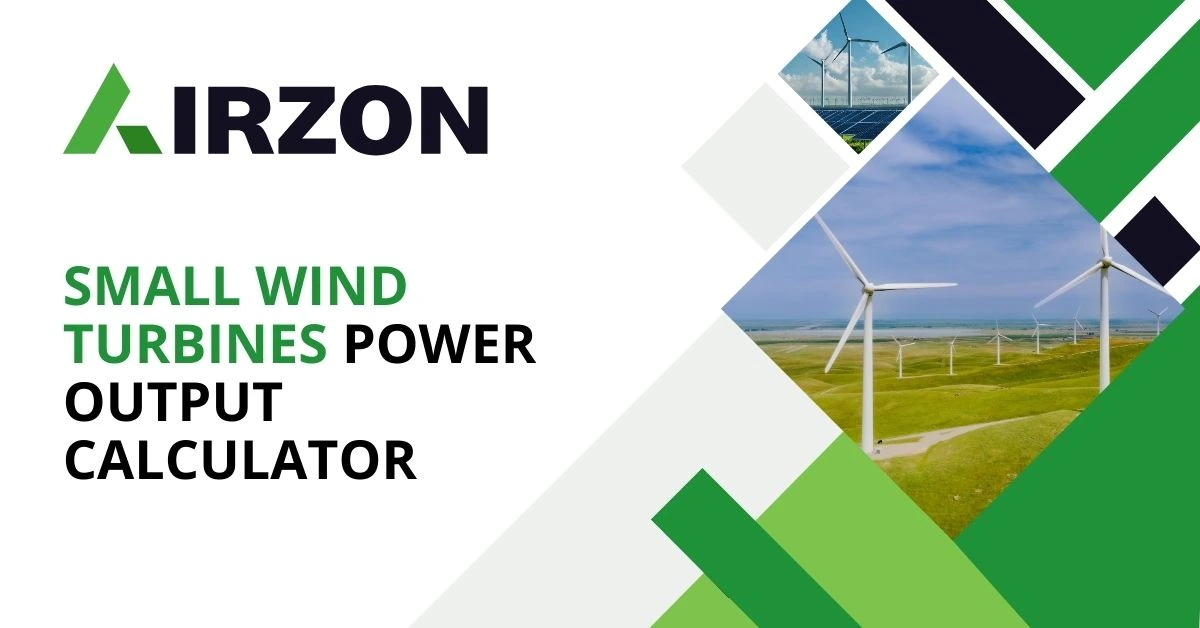
Renewable energy is becoming one of the most important solutions for reducing electricity costs and environmental impact. As energy demand continues to increase, homeowners, businesses, farmers, and off-grid users are exploring clean energy options to achieve energy independence. Wind energy is one of the most reliable renewable energy sources available today, and understanding electricity generation potential is essential before installation because a Small Wind Turbine can provide sustainable and long-term power when installed in suitable wind conditions.
Estimating energy output helps users determine whether wind energy is suitable for their location and electricity requirements. Many renewable energy users evaluate wind speed, turbine size, and efficiency to calculate expected output, and accurate estimation ensures that a Small Wind Turbine delivers optimal performance and maximum return on investment over its lifetime. Proper planning also helps reduce installation costs, improve efficiency, and ensure reliable electricity generation.
This guide explains how power output is calculated, factors affecting performance, electricity generation estimates, and how to evaluate renewable energy potential effectively.
What is a Small Wind Turbine Power Output Calculator?
Estimating wind energy production requires accurate tools and scientific formulas to determine electricity output under different wind conditions. Renewable energy planning involves evaluating wind availability, turbine size, and efficiency, and during this evaluation process, understanding how a Small Wind Turbine converts wind energy into electricity helps users make informed installation decisions.
A power output calculator is a tool used to estimate electricity generation using inputs such as wind speed, rotor diameter, and efficiency. This allows users to predict daily, monthly, and annual energy production accurately. When energy estimation is performed correctly, a Small Wind Turbine becomes a reliable renewable energy solution capable of reducing electricity costs and improving energy independence.
This estimation process helps users:
- Understand energy production potential
- Select appropriate turbine size
- Optimize installation location
- Improve system efficiency
- Plan renewable energy systems effectively
Accurate output estimation is essential for both residential and commercial renewable energy applications.
How Small Wind Turbine Power Output is Calculated?
Electricity generation from wind energy depends on the kinetic energy available in moving air and the efficiency of the turbine system. Engineers use scientific formulas to calculate energy output, and understanding these calculations helps users determine how effectively a Small Wind Turbine generates electricity based on wind speed and system design.
Wind Energy Calculation Formula
Power (Watts) = 0.5 × Air Density × Swept Area × Wind Speed³ × Efficiency
This formula includes important variables:
- Air density
- Rotor swept area
- Wind speed
- Turbine efficiency
Each of these factors plays a critical role in determining how much electricity a Small Wind Turbine can generate under specific environmental conditions.
Understanding Swept Area and Energy Capture
Swept area refers to the circular area covered by rotating blades. Larger blades capture more wind energy, increasing electricity generation potential. Increasing blade length increases energy capture, and this allows a Small Wind Turbine to generate more electricity even at moderate wind speeds.
Swept area formula:
Swept Area = π × radius²
Increasing rotor diameter significantly improves performance.
Why Wind Speed Has the Greatest Impact?
Wind speed has the most significant influence on energy generation because power increases exponentially as wind speed increases. Even small increases in wind speed can result in large increases in electricity production, which means a Small Wind Turbine installed in higher wind speed locations produces significantly more energy compared to low wind speed areas.
For example:
- At 4 m/s → Low output
- At 6 m/s → Moderate output
- At 10 m/s → High output
Proper site selection improves energy generation.
Key Factors Affecting Small Wind Turbine Power Output
Several environmental and mechanical factors influence performance and electricity generation efficiency. Understanding these factors helps maximize renewable energy production and system reliability, ensuring that a Small Wind Turbine operates efficiently and produces consistent electricity over time.
Wind Speed and Wind Availability
Wind speed is the most important factor affecting electricity production. Higher wind speeds contain more energy, and installing systems in high wind locations improves performance. Consistent wind conditions ensure that a Small Wind Turbine generates stable and reliable electricity throughout the year.
Locations with good wind resources include:
- Coastal areas
- Open rural regions
- Elevated terrain
- Agricultural land
Rotor Diameter and Blade Design
Rotor diameter directly affects energy capture capability. Larger blades increase swept area and improve electricity generation efficiency. Modern blade designs improve aerodynamic performance, allowing a Small Wind Turbine to capture maximum energy from available wind resources.
Benefits include:
- Improved energy efficiency
- Increased electricity production
- Better performance in low wind speeds
Tower Height and Installation Position
Tower height significantly affects wind exposure and energy generation. Wind speed increases with elevation above ground, and installing systems at proper heights ensures that a Small Wind Turbine receives stronger and more consistent wind flow for optimal performance.
Higher installation improves:
- Energy generation
- Efficiency
- Reliability
System Efficiency and Mechanical Performance
Efficiency depends on generator quality, blade design, and mechanical components. High-quality components improve electricity generation and system lifespan, ensuring that a Small Wind Turbine operates efficiently and produces maximum renewable energy output.
Efficiency improvements include:
- Advanced blade design
- High-efficiency generators
- Improved mechanical systems
Estimated Power Output Based on Wind Speed
Wind speed directly affects electricity generation potential. Understanding expected output helps users estimate renewable energy production accurately and determine whether a Small Wind Turbine can meet their electricity requirements.
| Wind Speed | Power Output | Daily Output | Monthly Output | Yearly Output |
| 3 m/s | 20 W | 0.48 kWh | 14 kWh | 168 kWh |
| 5 m/s | 80 W | 1.92 kWh | 58 kWh | 696 kWh |
| 7 m/s | 200 W | 4.8 kWh | 144 kWh | 1728 kWh |
| 9 m/s | 350 W | 8.4 kWh | 252 kWh | 3024 kWh |
| 12 m/s | 500 W | 12 kWh | 360 kWh | 4320 kWh |
This table shows the importance of wind speed in renewable energy generation.
Example Calculation of Electricity Generation
Understanding calculation methods helps users estimate real-world electricity production. Using wind speed and turbine size values allows accurate estimation, helping determine how much electricity a Small Wind Turbine generates under specific environmental conditions.
Example:
- Wind speed = 7 m/s
- Rotor diameter = 2 meters
- Efficiency = 30%
Estimated output:
- Power output = 200 watts
- Daily output = 4.8 kWh
- Monthly output = 144 kWh
This demonstrates how renewable energy systems provide reliable electricity.
Benefits of Using a Small Wind Turbine Power Output Calculator
Accurate energy estimation improves renewable energy planning and system performance. Understanding electricity production helps users optimize system design and efficiency, ensuring that a Small Wind Turbine meets energy requirements and delivers long-term renewable energy benefits.
Major benefits include:
- Accurate electricity estimation
- Improved system efficiency
- Better renewable energy planning
- Reduced electricity costs
- Increased energy independence
How Much Electricity Can a Small Wind Turbine Generate?
Electricity generation depends on wind speed, turbine size, and installation location. Under suitable wind conditions, a Small Wind Turbine can generate enough electricity to power residential homes, farms, and commercial systems.
Typical output ranges:
- Small systems → 1 to 5 kWh per day
- Medium systems → 5 to 20 kWh per day
- Large systems → 20 to 50 kWh per day
This makes wind energy a reliable renewable energy solution.
Looking for the best wind turbine solution for your home? Contact us today and let our experts help you choose the right system with subsidy benefits.
Applications of Small Wind Turbines
Renewable energy systems are transforming how electricity is generated and consumed across residential, agricultural, commercial, and remote environments. Wind energy is one of the most reliable and cost-effective renewable energy sources, especially in locations with consistent wind availability. By generating clean electricity directly at the point of use, a Small Wind Turbine helps reduce dependence on grid power, lowers electricity bills, and supports long-term energy sustainability. These systems are highly versatile and can be installed in a wide range of applications where reliable and independent power is needed.
Below are the most common and important applications where wind energy systems provide significant benefits.
Residential Homes
Homeowners are increasingly adopting renewable energy to reduce electricity costs and achieve energy independence. Installing a wind energy system allows households to generate their own electricity, and a Small Wind Turbine can power essential appliances such as lights, fans, refrigerators, water pumps, and electronic devices efficiently. In areas with good wind conditions, these systems can significantly reduce or even eliminate monthly electricity bills.
Residential applications also provide additional benefits such as:
- Backup power during grid outages
- Reduced dependence on utility companies
- Lower long-term electricity expenses
- Environmentally friendly energy generation
This makes wind energy an excellent solution for homeowners seeking reliable and sustainable power.
Agricultural Farms
Agricultural operations often require electricity for irrigation systems, water pumps, lighting, and farm equipment. Many farms are in open areas with strong wind resources, making wind energy an ideal solution. Installing renewable energy systems ensures continuous electricity supply, and a Small Wind Turbine can provide reliable power for irrigation pumps, livestock systems, and farm automation equipment.
Benefits for agricultural applications include:
- Reduced operational energy costs
- Reliable power in remote farm locations
- Improved farm productivity
- Sustainable and eco-friendly energy generation
Farmers can achieve significant cost savings while improving energy reliability.
Rural Electrification
Many rural and remote areas have limited or no access to reliable grid electricity. Renewable energy systems provide an effective solution for powering homes, schools, healthcare centers, and small businesses. In such areas, a Small Wind Turbine provides an independent source of electricity that supports essential services and improves quality of life.
Rural electrification benefits include:
- Access to reliable electricity
- Improved living conditions
- Support for education and healthcare
- Reduced reliance on diesel generators
Wind energy helps bring sustainable electricity to underserved communities.
Off-Grid Systems
Off-grid locations such as remote homes, cabins, telecom towers, and research stations require independent power sources. Wind energy systems provide reliable electricity without relying on utility infrastructure, and installing a Small Wind Turbine ensures continuous power generation in remote and isolated locations.
Off-grid benefits include:
- Complete energy independence
- Reliable power supply
- Reduced fuel and generator costs
- Sustainable renewable energy generation
Wind energy is ideal for locations where grid electricity is unavailable or unreliable.
Hybrid Renewable Energy Systems
Hybrid systems combine multiple renewable energy sources, such as solar and wind, to ensure consistent electricity generation. Solar panels generate electricity during the day, while wind turbines generate electricity when wind is available, including at night. When integrated into hybrid systems, a Small Wind Turbine improves overall system reliability and ensures continuous renewable energy production.
Hybrid system benefits include:
- Continuous power generation
- Improved energy reliability
- Reduced battery storage requirements
- Higher overall system efficiency
This combination provides a balanced and dependable renewable energy solution.
Commercial and Industrial Applications
Businesses and small industries require reliable electricity to operate efficiently. Renewable energy systems help reduce operational costs and improve sustainability, and installing a Small Wind Turbine allows businesses to generate clean electricity and reduce long-term energy expenses.
Commercial applications include:
- Small factories
- Warehouses
- Workshops
- Remote industrial facilities
This improves energy efficiency and reduces environmental impact.
Telecom Towers and Remote Monitoring Systems
Telecommunication towers and monitoring systems require uninterrupted power to maintain communication networks. Many of these installations are in remote areas, and using renewable energy ensures reliable operation. In such applications, a Small Wind Turbine provides consistent electricity to support communication infrastructure and remote monitoring equipment.
Benefits include:
- Reduced generator fuel costs
- Reliable continuous operation
- Lower maintenance requirements
- Environmentally sustainable power supply
Frequently Asked Questions
Electricity generation depends on wind speed and turbine size, and a Small Wind Turbine can generate between 1 kWh and 50 kWh per day.
Wind speed, rotor size, tower height, and efficiency affect electricity production, and proper installation ensures that a Small Wind Turbine operates efficiently.
Yes, wind energy is reliable when installed in suitable locations, and a Small Wind Turbine provides sustainable and long-term renewable energy.
The lifespan of a wind energy system depends on build quality, maintenance, and environmental conditions, and with proper care, a Small Wind Turbine can last between 15 and 25 years while providing reliable renewable electricity. Regular inspection, proper installation, and high-quality components help improve durability and ensure consistent long-term performance.
Wind energy systems are widely used for residential applications, especially in areas with good wind resources, and installing a Small Wind Turbine can help homeowners reduce electricity bills, increase energy independence, and generate clean renewable power for daily household needs. Proper site selection and system sizing are important to achieve optimal performance and efficiency.
Conclusion
Renewable energy is essential for achieving energy independence and reducing environmental impact. Wind energy provides a reliable and cost-effective solution for electricity generation and installing a Small Wind Turbine allows users to generate clean, sustainable, and long-term renewable energy efficiently. Proper planning, accurate estimation, and understanding performance factors ensure maximum electricity generation and system reliability. Wind energy remains one of the best renewable energy solutions for modern energy needs.
Related Posts