Areas with limited or inconsistent wind resources can still benefit from renewable wind energy when…
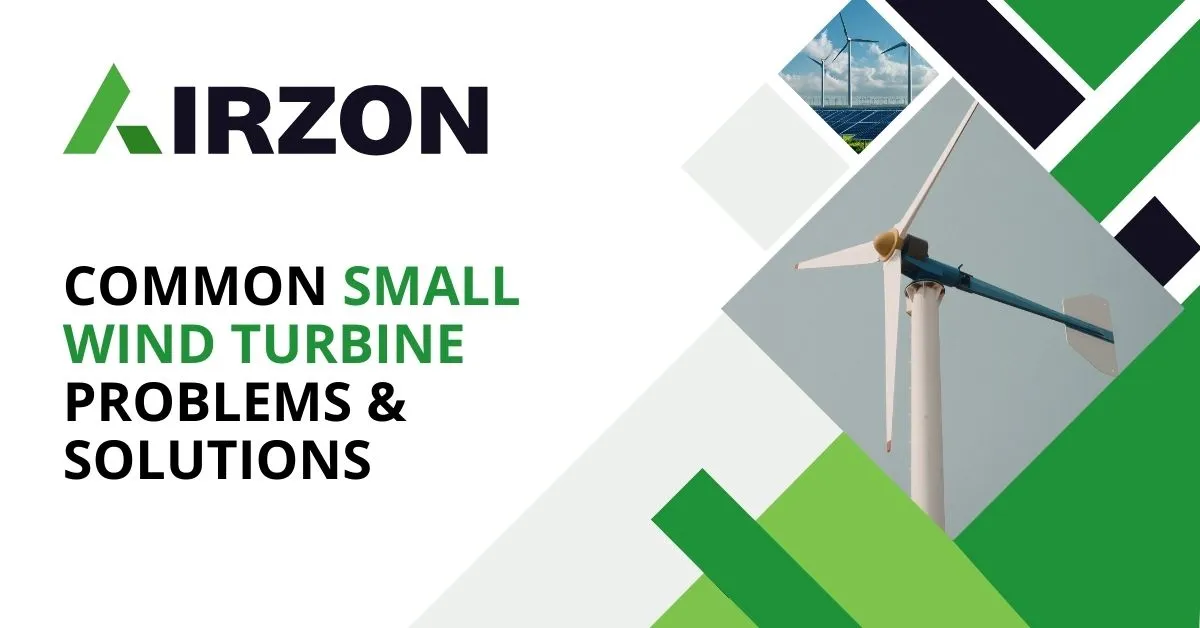
Renewable energy systems are becoming increasingly popular as people look for reliable and sustainable ways to generate electricity. Wind energy is one of the most effective renewable sources, especially in locations with consistent wind conditions. However, like any mechanical and electrical equipment, problems can occur over time, and proper maintenance ensures that a Small Wind Turbine continues generating electricity efficiently without unexpected performance issues.
When performance problems occur, electricity generation may decrease, system reliability may suffer, and energy efficiency may drop. Understanding common issues and troubleshooting methods is essential because regular inspection helps ensure that a Small Wind Turbine operates reliably and provides long-term renewable energy benefits for homes, farms, and off-grid systems. Early identification and proper solutions can prevent costly repairs and extend system lifespan.
How Small Wind Turbine Systems Work?
Wind energy systems operate by converting kinetic energy from moving air into usable electrical energy through rotating blades and a generator. When wind flows across turbine blades, it creates rotational motion, and during this process, the Small Wind Turbine converts mechanical rotation into electrical energy using an internal generator and electrical system components.
The system includes several key components:
- Rotor blades
- Generator
- Tower
- Charge controller
- Electrical wiring
- Battery or inverter
Each component must function properly to ensure optimal performance, and any failure within the system can reduce efficiency, preventing the Small Wind Turbine from generating its expected electricity output under normal wind conditions.
Most Common Small Wind Turbine Problems
Wind energy systems operate in outdoor environments where they are exposed to weather, mechanical stress, and electrical loads. Over time, wear and environmental factors may cause performance issues, and proper troubleshooting helps ensure that a Small Wind Turbine continues operating efficiently and producing consistent renewable electricity.
Small Wind Turbine Not Spinning
Blade rotation is essential for electricity generation because the turbine must spin to produce power. If rotation stops, electricity generation stops as well, and users may notice that the Small Wind Turbine remains stationary even when wind appears sufficient for normal operation.
Causes
- Low wind speed
- Mechanical blockage
- Bearing failure
- Brake system engaged
- Debris interference
Solutions
- Inspect turbine blades for obstruction
- Check wind availability
- Inspect bearings for wear
- Release brake system if engaged
- Remove debris around turbine
Proper inspection helps restore rotation and energy generation.
Small Wind Turbine Producing Low Power Output
Electricity output depends on wind conditions, turbine size, and installation quality. Reduced output is a common issue, and performance evaluation helps determine why the Small Wind Turbine generates less electricity than expected under normal wind conditions.
Causes
- Low wind speed
- Poor tower height
- Electrical resistance or wiring issues
- Generator inefficiency
- Blade damage
Solutions
- Increase installation height
- Inspect electrical connections
- Replace worn components
- Repair or replace damaged blades
Improved installation and maintenance increase energy output.
Small Wind Turbine Making Excessive Noise
Wind energy systems normally operate smoothly, but unusual sounds may indicate mechanical problems. Users may notice vibrations or grinding sounds when the Small Wind Turbine operates with loose or worn mechanical components affecting smooth rotation.
Causes
- Loose bolts
- Worn bearings
- Blade imbalance
- Mechanical misalignment
Solutions
- Tighten loose components
- Replace damaged bearings
- Balance turbine blades
- Inspect mechanical alignment
Fixing these issues improves performance and safety.
Small Wind Turbine Not Charging Battery
Battery charging is essential for storing generated electricity in off-grid and hybrid systems. Charging problems may occur when electrical components fail, preventing the Small Wind Turbine from transferring generated electricity properly into the battery storage system.
Causes
- Charge controller failure
- Battery damage
- Loose wiring
- Generator malfunction
Solutions
- Inspect controller functionality
- Replace faulty batteries
- Repair electrical connections
- Test generator output
Proper electrical inspection ensures reliable charging.
Small Wind Turbine Overheating
Electrical and mechanical systems can overheat when overloaded or poorly ventilated. Overheating may reduce efficiency or damage components, especially when the Small Wind Turbine operates continuously under high electrical loads or strong wind conditions.
Causes
- Electrical overload
- Poor ventilation
- Controller malfunction
- High wind conditions
Solutions
- Install proper charge controller
- Improve system ventilation
- Reduce excessive electrical load
- Inspect electrical components
Preventing overheating protects system longevity.
Common Small Wind Turbine Problems and Solutions
Troubleshooting becomes easier when users understand typical issues and solutions, helping ensure that a Small Wind Turbine continues operating efficiently without major interruptions in renewable energy generation.
| Problem | Cause | Solution |
| Not spinning | Low wind speed | Check wind conditions |
| Low output | Poor installation | Increase tower height |
| Noise | Loose parts | Tighten bolts |
| Not charging | Controller issue | Replace controller |
| Overheating | Electrical overload | Install proper protection |
| Vibration | Blade imbalance | Balance blades |
Small Wind Turbine Maintenance Checklist
Regular maintenance improves efficiency and reliability by identifying problems early. Preventive care ensures that a Small Wind Turbine operates efficiently and provides reliable renewable energy for many years.
Monthly Maintenance
- Inspect blades
- Check wiring connections
- Inspect tower structure
Annual Maintenance
- Replace worn parts
- Lubricate bearings
- Inspect electrical system
Maintenance improves performance and lifespan.
How to Troubleshoot Small Wind Turbine Issues?
Troubleshooting involves systematic inspection of mechanical and electrical components. Identifying problems early ensures that a Small Wind Turbine continues generating electricity efficiently without major system failures.
Steps include:
- Inspect wind conditions
- Check blade condition
- Inspect electrical wiring
- Test generator output
- Inspect controller functionality
These steps help restore normal operation.
Want to improve renewable energy efficiency and avoid costly turbine repairs? Contact us now for professional support and reliable wind energy solutions.
How to Prevent Small Wind Turbine Problems?
Preventive maintenance reduces risk of failure and improves reliability. Proper installation and regular inspection help ensure that a Small Wind Turbine operates efficiently and produces consistent renewable energy output.
Preventive actions include:
- Regular inspection
- Proper installation
- Using high-quality components
- Monitoring system performance
Signs Your Small Wind Turbine Needs Repair
System performance issues often appear before complete failure occurs. Early warning signs indicate when a Small Wind Turbine requires maintenance or component replacement to restore proper performance.
Common signs include:
- Reduced electricity generation
- Unusual noise
- Strong vibration
- Charging failure
Early repair prevents costly damage.
Benefits of Regular Small Wind Turbine Maintenance
Proper maintenance improves reliability and efficiency. Long-term performance improves significantly when a Small Wind Turbine receives regular inspection, cleaning, and component maintenance.
Benefits include:
- Improved efficiency
- Longer lifespan
- Reduced repair costs
- Reliable electricity generation
Frequently Asked Questions
There can be several reasons for low or no power generation, including low wind speed, electrical faults, or mechanical problems. In many cases, the Small Wind Turbine may stop producing electricity due to loose wiring, damaged blades, or generator issues that require inspection and repair.
Regular maintenance is essential for optimal performance and long system life. Experts recommend inspecting components every 3 to 6 months because proper maintenance ensures that a Small Wind Turbine operates efficiently and continues generating reliable renewable energy without unexpected failures.
Vibration usually occurs due to blade imbalance, loose bolts, or worn bearings. If these components are not properly maintained, the Small Wind Turbine may experience excessive vibration, which can reduce efficiency and damage mechanical parts over time.
Efficiency can be improved by installing the turbine at a higher elevation, maintaining components regularly, and ensuring proper alignment. Proper installation and maintenance help ensure that a Small Wind Turbine captures maximum wind energy and converts it into electricity effectively.
The lifespan depends on maintenance, installation quality, and environmental conditions. With proper care and regular servicing, a Small Wind Turbine can operate efficiently for 15 to 25 years while providing reliable renewable electricity generation.
Conclusion
Wind energy systems provide sustainable and reliable electricity for residential and off-grid applications. Proper maintenance and troubleshooting ensure optimal performance, helping ensure that a Small Wind Turbine continues delivering efficient renewable energy for long-term energy independence. Understanding common problems and applying correct solutions helps maximize efficiency, reduce downtime, and improve overall system reliability.
Related Posts