Areas with limited or inconsistent wind resources can still benefit from renewable wind energy when…
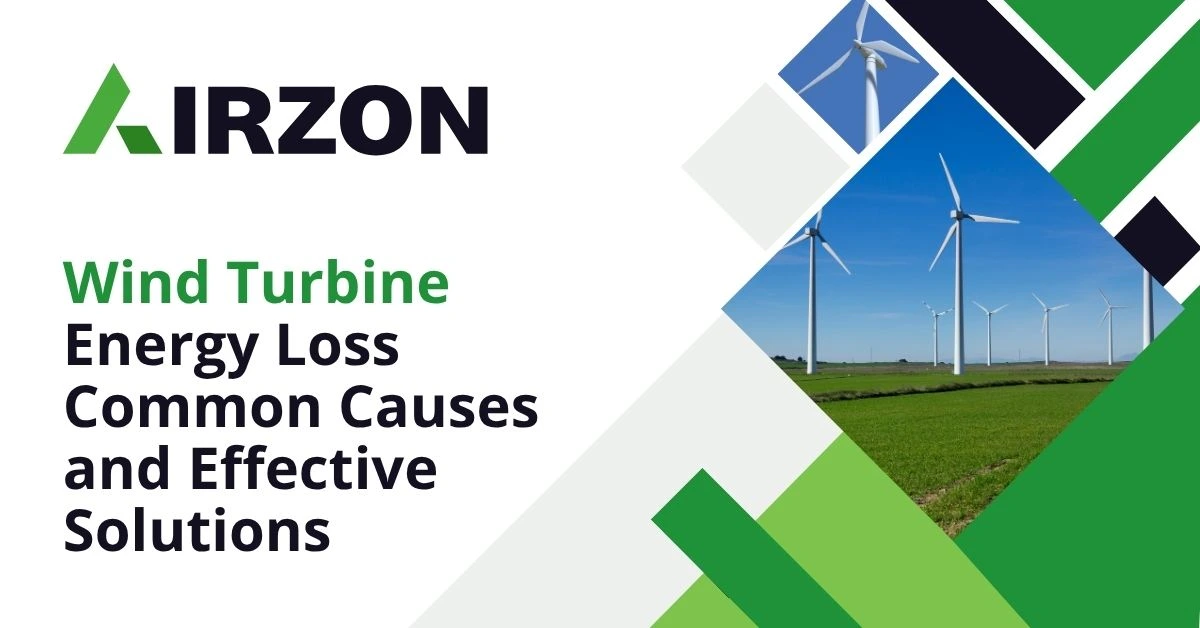
A wind turbine is designed to convert the kinetic energy of wind into clean, renewable electricity. However, no wind turbine can convert 100% of the available wind energy into usable power. Various environmental, mechanical, and operational factors can lead to energy loss, affecting overall system performance and efficiency.
Understanding the common causes of wind turbine energy loss is essential for homeowners, businesses, and industries looking to maximize energy generation and ensure long-term reliability. By identifying these factors and implementing effective solutions, wind turbine systems can operate more efficiently while delivering consistent renewable energy.
What Causes Energy Loss in a Wind Turbine?
Energy loss in a wind turbine occurs when part of the available wind energy cannot be converted into electrical power. While some losses are unavoidable due to engineering and physical limitations, many can be minimized through proper system design, installation, and maintenance.
Several factors contribute to reduced energy output, making regular performance monitoring and optimization important for maintaining efficiency.
Common Causes of Wind Turbine Energy Loss
Low or Inconsistent Wind Speeds
Wind turbines rely on adequate wind speeds to generate electricity efficiently. Locations with weak, turbulent, or inconsistent winds may produce lower energy output than expected.
Selecting a site with favorable wind conditions and conducting a wind resource assessment before installation can significantly improve long-term performance.
Poor Installation Location
The surrounding environment plays a major role in wind turbine efficiency. Buildings, trees, hills, and other obstacles can create turbulence that reduces the amount of usable wind reaching the turbine.
Installing the turbine at an appropriate height and in an open area helps capture smoother and more consistent airflow.
Mechanical Wear and Component Degradation
Over time, mechanical components experience natural wear, which can reduce operational efficiency. Bearings, shafts, and rotating parts require regular inspection to maintain smooth performance.
Preventive maintenance helps detect potential issues before they affect energy production.
Electrical Conversion Losses
As wind energy is converted into electricity, a small amount of energy is naturally lost within generators, converters, and electrical components. High-quality equipment and advanced engineering help minimize these conversion losses.
Blade Contamination
Dust, dirt, debris, ice, or bird droppings can accumulate on turbine blades, reducing aerodynamic performance and limiting energy capture.
Routine cleaning and inspections help maintain blade efficiency throughout the year.
Extreme Weather Conditions
Severe weather, including storms, excessive heat, or icing conditions, may temporarily reduce wind turbine performance or require safety shutdowns to protect equipment.
Proper turbine design and weather-resistant materials improve operational reliability in challenging environments.
Effective Solutions to Reduce Energy Loss
Improving wind turbine performance involves combining good engineering practices with ongoing maintenance and system optimization.
| Cause of Energy Loss | Effective Solution |
| Low wind speeds | Conduct wind resource assessments before installation |
| Poor installation location | Install turbines in open, elevated areas with minimal obstructions |
| Mechanical wear | Perform routine inspections and preventive maintenance |
| Electrical losses | Use high-quality generators and efficient electrical components |
| Blade contamination | Clean and inspect blades regularly |
| Extreme weather | Choose durable, weather-resistant wind turbine systems |
Best Practices for Maximizing Wind Turbine Efficiency
Select the Right Installation Site
Proper site selection is one of the most important factors in achieving consistent energy generation. Evaluating local wind conditions helps ensure the turbine operates under favorable conditions.
Invest in High-Quality Wind Turbines
Well-engineered wind turbines are designed to maximize energy capture while minimizing operational losses. Durable construction and advanced technology contribute to long-term performance.
Schedule Regular Maintenance
Routine maintenance helps identify worn components, maintain optimal performance, and extend the lifespan of the wind turbine.
Monitor System Performance
Performance monitoring allows operators to detect unexpected reductions in energy output and address issues before they become significant.
Use Customized Wind Energy Solutions
Every location has unique wind conditions and energy requirements. Customized wind turbine systems help optimize efficiency based on site-specific factors.
Want to improve the performance of your wind turbine? Contact us today to explore efficient wind energy solutions designed for reliable and sustainable power generation.
Why Quality Wind Turbines Matter?
The quality of a wind turbine significantly influences its overall performance and energy output. Advanced engineering, durable materials, and efficient system design help reduce unnecessary energy losses while ensuring reliable operation under varying environmental conditions.
Airzon Wind Energy designs wind turbines with a focus on efficiency, durability, and sustainability. Engineered for residential, commercial, industrial, and off-grid applications, these systems support consistent renewable energy generation while helping users achieve long-term energy savings.
Frequently Asked Questions
Energy loss can result from low wind speeds, poor installation locations, mechanical wear, electrical conversion losses, blade contamination, and adverse weather conditions.
Yes. Proper site selection, routine maintenance, high-quality components, and regular performance monitoring can significantly reduce energy losses.
Maintenance helps keep mechanical and electrical components in optimal condition, reducing wear and preventing issues that could decrease energy production.
Absolutely. Installing a wind turbine in an area with strong, consistent wind and minimal obstructions improves overall efficiency and energy output.
Yes. Modern wind turbines use advanced engineering, improved blade designs, and efficient electrical systems to maximize renewable energy generation.
Conclusion
A wind turbine delivers reliable renewable energy when designed, installed, and maintained correctly. Although some energy loss is unavoidable, understanding its common causes allows operators to improve efficiency through proper site selection, preventive maintenance, and high-quality equipment. By investing in well-engineered wind turbine solutions, individuals and businesses can maximize clean energy generation, reduce operating costs, and support a more sustainable future.
Related Posts