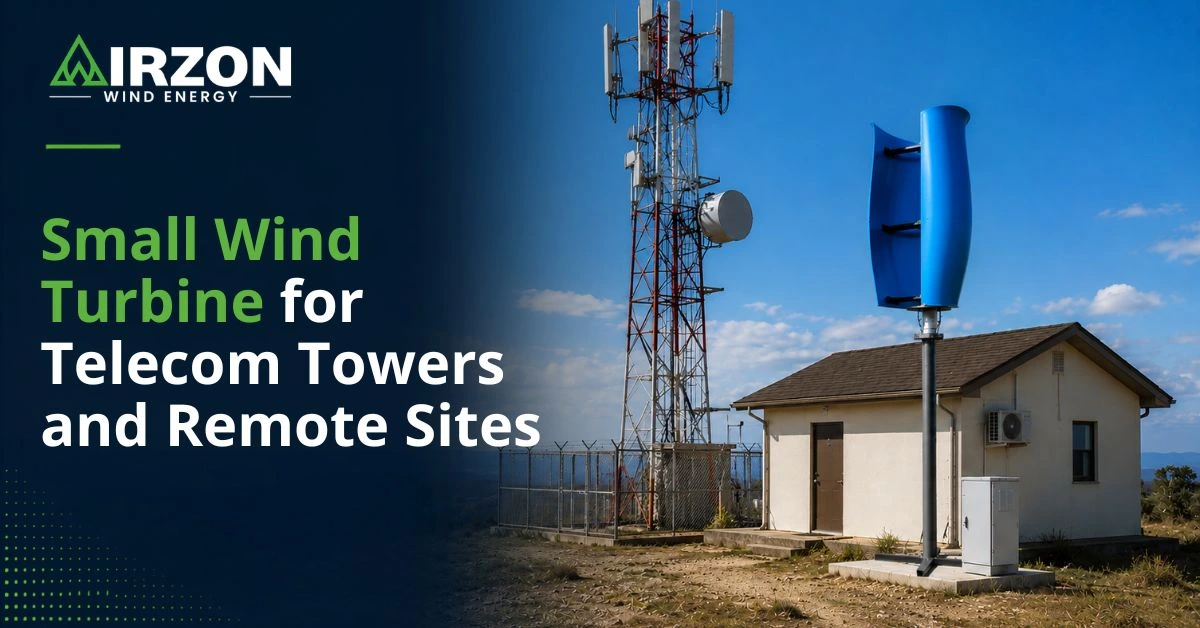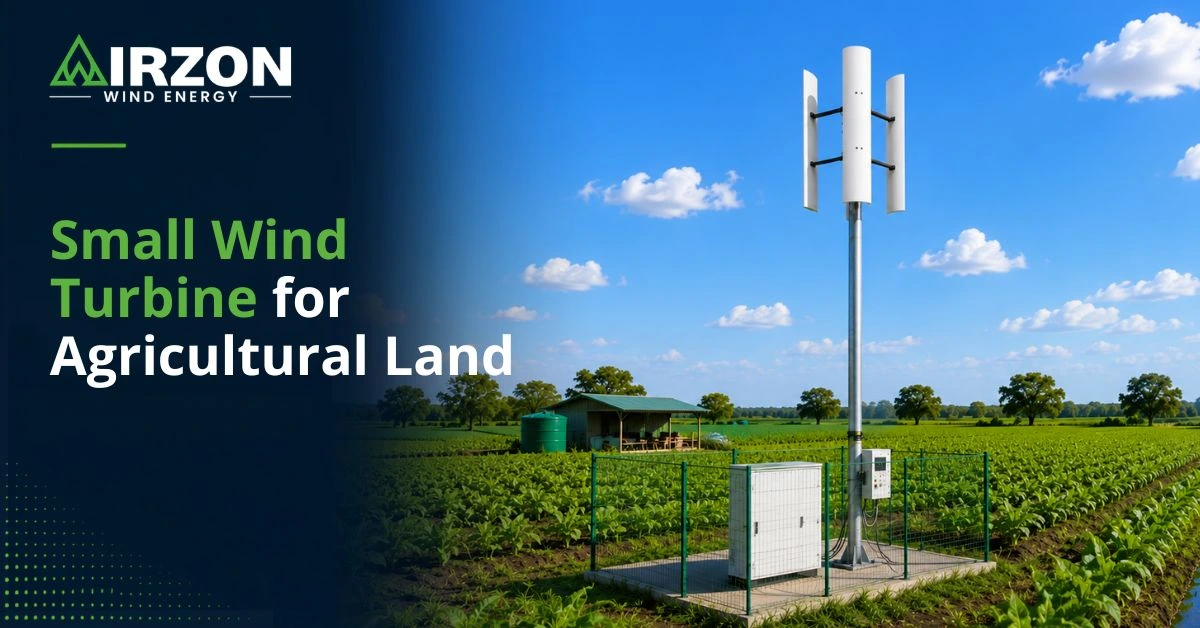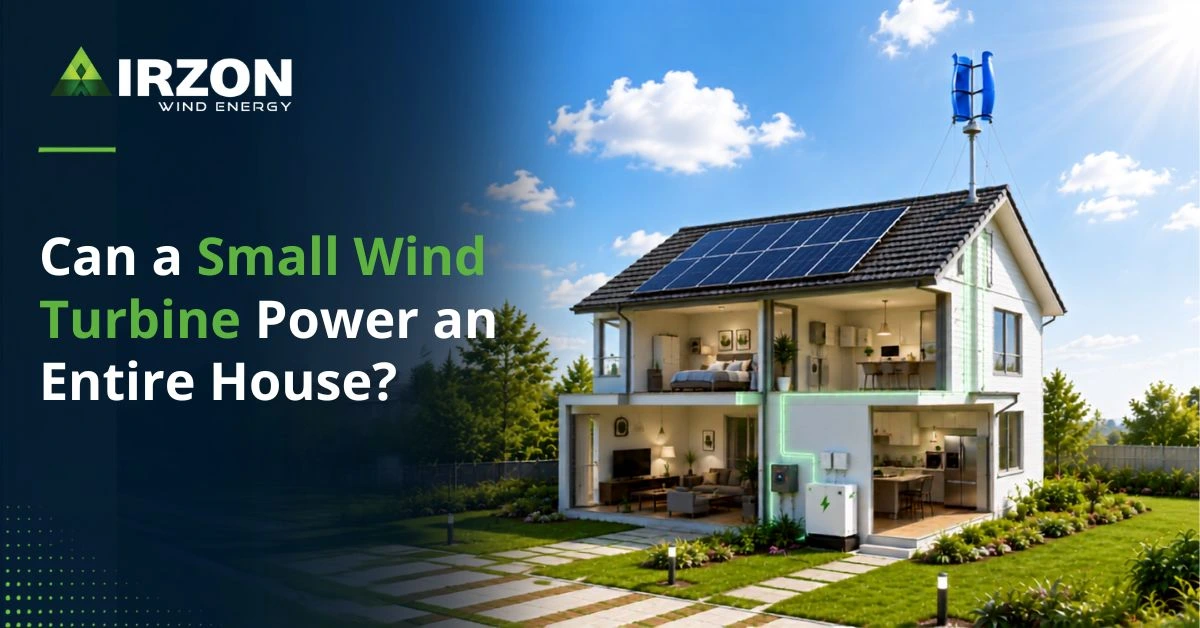
Reliable electricity is essential for telecom towers and remote sites where grid connectivity may be…
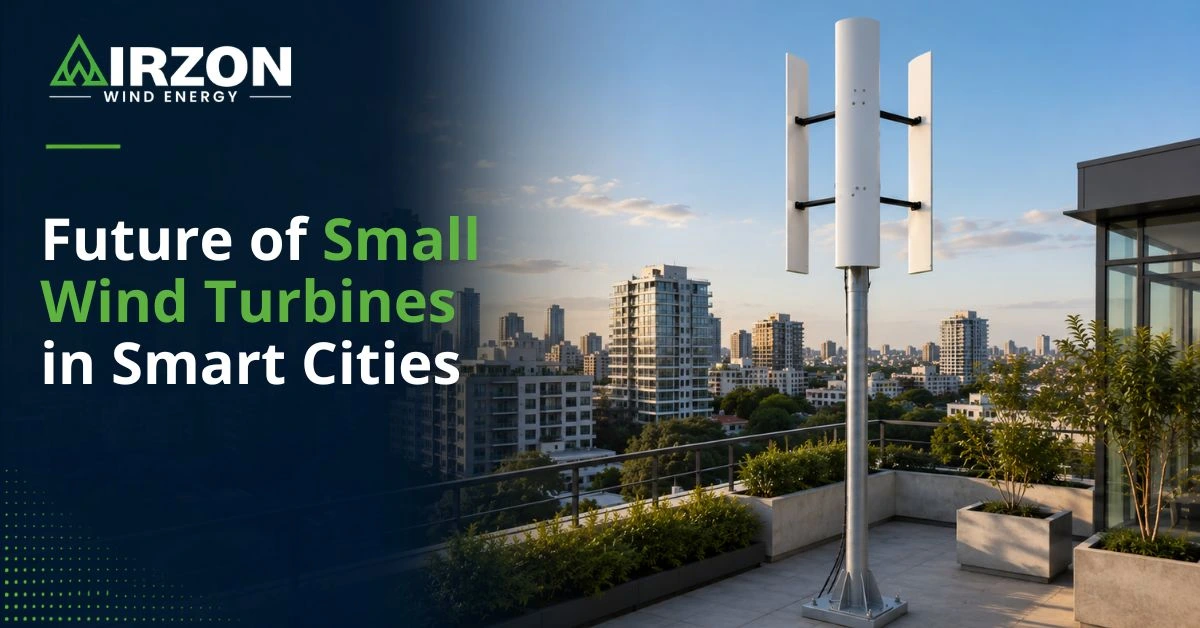
As cities continue to adopt smarter infrastructure and sustainable technologies, small wind turbines are emerging as an important part of urban renewable energy systems. Their compact design, ability to generate clean electricity, and compatibility with modern infrastructure make them well-suited for supporting the energy needs of smart cities. When integrated with other renewable technologies, small wind turbines can help create more resilient, efficient, and environmentally responsible urban communities.
Smart cities are designed to improve the quality of urban living by integrating advanced technologies, efficient infrastructure, and sustainable energy solutions. As governments and municipalities work toward reducing carbon emissions and increasing the use of renewable energy, small wind turbines are becoming a practical option for decentralized power generation.
Unlike large utility-scale wind farms, small wind turbines can be installed closer to where electricity is consumed, making them suitable for residential communities, commercial buildings, public infrastructure, and urban development projects.
What Are Smart Cities?
Smart cities use digital technologies, intelligent infrastructure, and renewable energy systems to improve transportation, energy management, public services, and environmental sustainability. Their goal is to create efficient urban environments that reduce resource consumption while improving the quality of life for residents.
Renewable energy plays a vital role in achieving these objectives by providing clean and sustainable electricity for everyday urban operations.
Why Small Wind Turbines Are Important for Smart Cities?
A Small wind turbine provide localized renewable energy generation that supports the growing demand for sustainable urban infrastructure. Their compact size and flexible installation options make them suitable for locations where large wind turbines are not practical.
They can contribute to:
- Clean electricity generation
- Reduced dependence on conventional power sources
- Lower carbon emissions
- Improved urban energy resilience
- Greater energy independence for communities
As cities continue expanding renewable energy initiatives, small wind turbines can complement existing infrastructure while supporting long-term sustainability goals.
Applications of Small Wind Turbines in Urban Areas
Modern small wind turbines can be integrated into a variety of smart city environments.
Residential Communities
Residential developments can use small wind turbines to supplement electricity generation and promote sustainable living.
Commercial Buildings
Businesses can integrate renewable energy systems to improve energy efficiency and reduce operational costs.
Public Infrastructure
Small wind turbines can support lighting systems, parks, public facilities, and transportation infrastructure by generating clean electricity.
Educational and Institutional Campuses
Universities, schools, and research facilities can adopt small wind turbines as part of their sustainability initiatives while demonstrating renewable energy technologies.
Planning a smarter and more sustainable energy future? Contact us today to explore small wind turbines designed for modern urban applications.
Integrating Small Wind Turbines with Hybrid Renewable Energy Systems
A small wind turbine becomes even more effective when integrated into a hybrid renewable energy system. Combining wind energy with solar power and battery storage helps maintain a more reliable electricity supply throughout changing weather conditions.
Hybrid renewable systems offer several advantages:
- More consistent renewable energy generation
- Improved energy reliability
- Better utilization of renewable resources
- Reduced reliance on conventional electricity
- Enhanced energy security for urban infrastructure
This integrated approach supports the long-term goals of smart city development by creating efficient and resilient energy systems.
Technologies Driving the Future of Small Wind Turbines
Continuous innovation is improving the efficiency, durability, and adaptability of small wind turbines for urban environments.
Some of the latest developments include:
- Advanced aerodynamic blade designs
- Compact vertical-axis wind turbine technology
- Improved permanent magnet generators
- Smart energy monitoring systems
- Low-noise operation for urban installations
- Hybrid renewable energy integration
These advancements make wind energy more practical for modern cities where space, efficiency, and environmental considerations are equally important.
| Technology | Benefit for Smart Cities |
| Vertical Axis Wind Turbines | Efficient operation in changing wind directions |
| Smart Monitoring Systems | Real-time performance tracking and maintenance insights |
| Hybrid Renewable Energy Systems | Improved energy reliability throughout the year |
| Permanent Magnet Generators | Higher efficiency and lower maintenance requirements |
Challenges and Opportunities
Although small wind turbines offer significant advantages, successful deployment in smart cities requires careful planning.
Some important considerations include:
- Site-specific wind assessments
- Building regulations and local approvals
- Proper installation height
- Integration with existing electrical infrastructure
- Long-term maintenance planning
Addressing these factors helps maximize renewable energy generation while ensuring reliable long-term performance.
What a Professional Wind Energy Solutions Support Smart Cities?
Successful urban renewable energy projects require more than high-quality equipment. Professional planning, site assessment, and system integration ensure that small wind turbines operate efficiently within complex urban environments.
By evaluating local wind conditions, infrastructure requirements, and energy demands, renewable energy specialists can recommend solutions that maximize performance while supporting smart city sustainability objectives.
Frequently Asked Questions
Small wind turbines generate renewable electricity for residential communities, commercial buildings, public infrastructure, and other urban applications.
Yes. Modern small wind turbines are designed to perform efficiently in suitable urban locations, particularly when supported by professional site assessments.
They combine wind and solar energy to improve electricity reliability and support continuous renewable energy generation.
Yes. They can help businesses reduce electricity consumption from conventional power sources while supporting sustainability initiatives.
Wind conditions, installation location, tower height, local regulations, and energy requirements should all be evaluated before installation.
Conclusion
The future of small wind turbines in smart cities is closely linked to the growing demand for sustainable infrastructure and clean energy solutions. As urban areas continue embracing renewable technologies, small wind turbines will play an increasingly important role in decentralized electricity generation, energy resilience, and environmental sustainability. Through professional planning, advanced technology, and hybrid renewable energy integration, these systems can help build smarter, cleaner, and more energy-efficient cities.
Related Posts