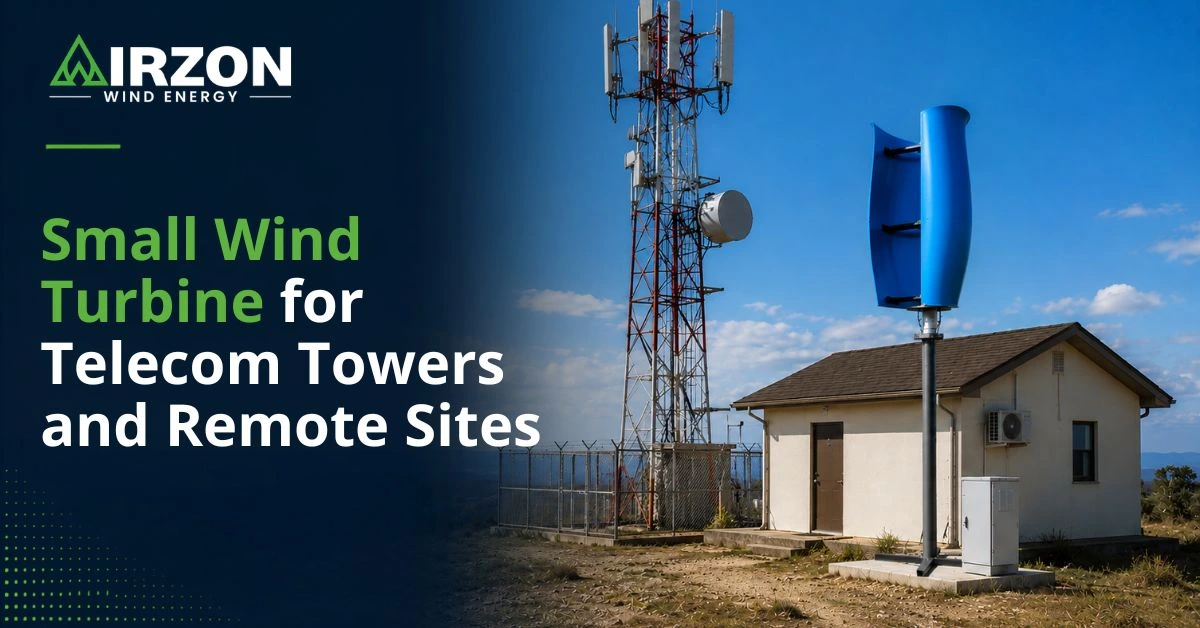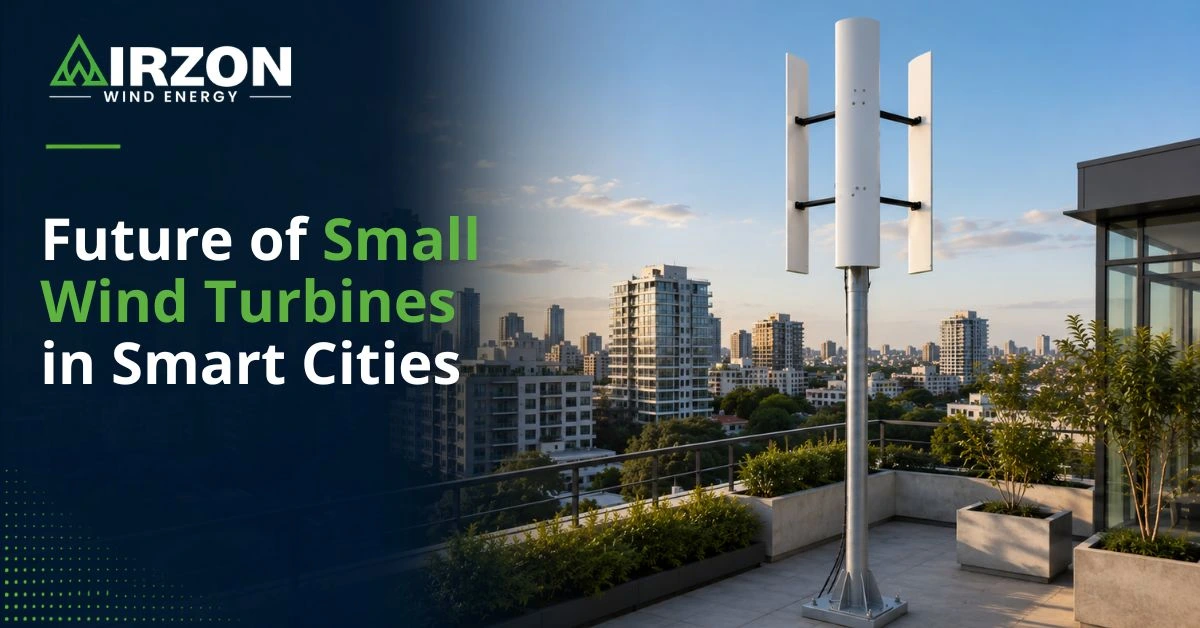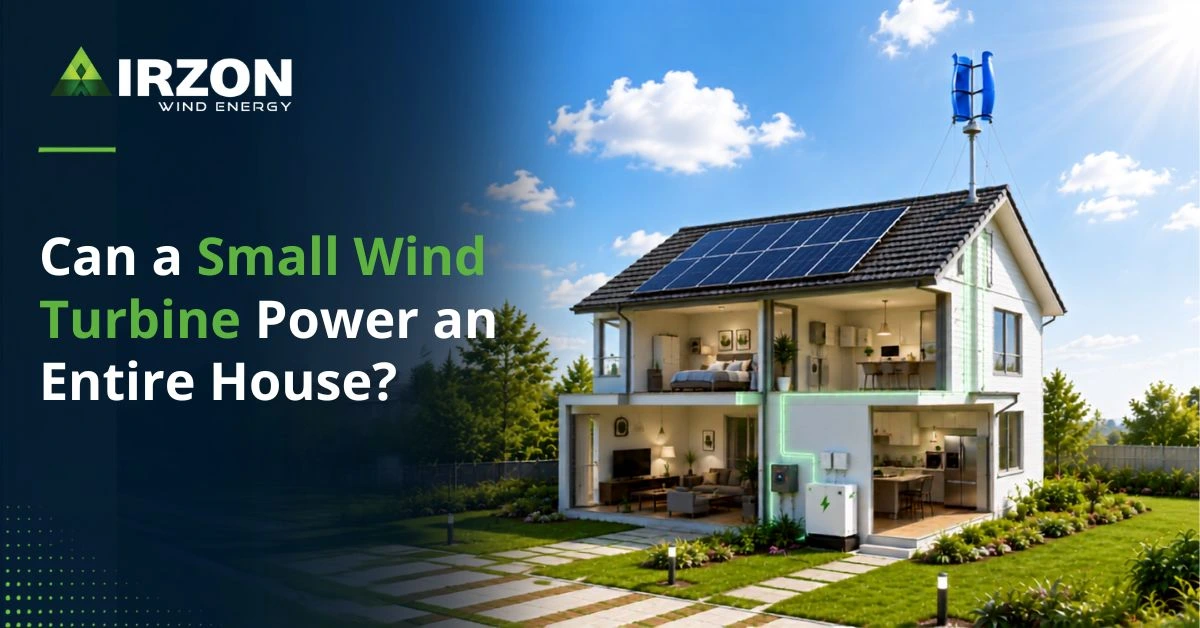
Reliable electricity is essential for telecom towers and remote sites where grid connectivity may be…
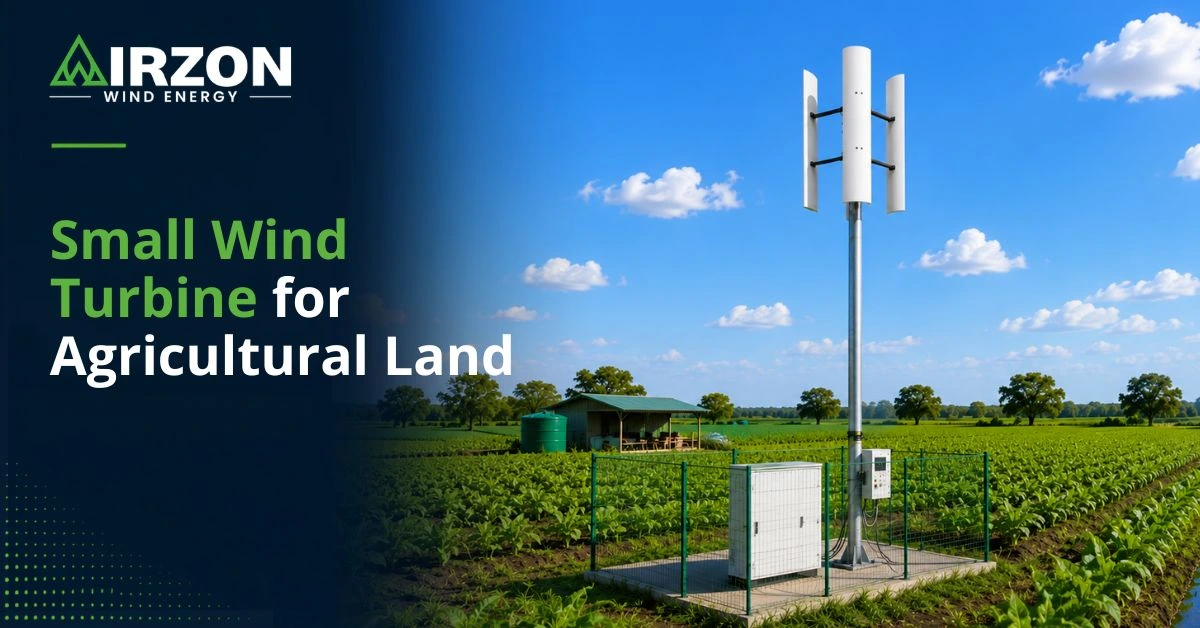
A small wind turbine offers farmers and agricultural landowners a reliable way to generate clean electricity while reducing dependence on conventional power sources. Whether used for irrigation systems, water pumping, farm lighting, refrigeration, or remote agricultural operations, small wind turbines provide an efficient renewable energy solution that supports long-term sustainability. With proper site selection and system design, farmers can improve energy independence while lowering operating costs.
Agricultural operations often require a continuous and dependable power supply for daily activities. Rising electricity costs and increasing demand for sustainable farming practices have encouraged many landowners to explore renewable energy alternatives. A small wind turbine enables farms to generate electricity on-site by harnessing natural wind resources, making it a practical solution for both grid-connected and remote locations.
When installed in areas with consistent wind conditions, a small wind turbine can help improve operational efficiency while supporting environmentally responsible farming practices.
Why Is a Small Wind Turbine Suitable for Agricultural Land?
Agricultural land typically provides open spaces with fewer obstructions, allowing wind to flow more consistently than in densely developed areas. These conditions make many farms suitable for wind energy generation.
A small wind turbine can supply electricity for a variety of agricultural applications, including:
- Water pumping systems
- Farm and outdoor lighting
- Refrigeration units
- Livestock facilities
- Irrigation equipment
- Storage buildings
- Remote agricultural operations
Generating electricity directly on-site helps farmers improve energy reliability while reducing dependence on traditional power sources.
Benefits of Installing a Small Wind Turbine on Farms
A small wind turbine offers several advantages that make it an attractive renewable energy investment for agricultural landowners.
Energy Independence
Producing electricity on-site helps reduce reliance on the electrical grid, providing greater control over farm energy requirements.
Lower Operating Costs
Renewable wind energy can help reduce long-term electricity expenses, especially for farms with continuous power demands.
Environmentally Friendly Energy
Wind energy produces electricity without direct greenhouse gas emissions, supporting sustainable farming and reducing environmental impact.
Reliable Power for Remote Locations
Many agricultural properties are located far from urban infrastructure. A small wind turbine provides a dependable energy solution for remote areas where grid access may be limited.
Dual Land Use Maximizes Farm Productivity
One of the key advantages of installing a small wind turbine on agricultural land is its minimal footprint. Wind turbines are typically mounted on towers, occupying only a small area of the property.
This allows farmers to continue using the surrounding land for:
- Crop cultivation
- Livestock grazing
- Irrigation activities
- Farm vehicle access
By generating renewable electricity without significantly reducing usable farmland, wind turbines help maximize both energy production and agricultural productivity.
Hybrid Wind-Solar Systems for Agriculture
Many farmers choose to combine a small wind turbine with solar panels and battery storage to create a hybrid renewable energy system.
Since wind and solar resources often complement one another, hybrid systems can provide more consistent electricity generation throughout the year. During sunny days, solar panels contribute to power generation, while wind turbines continue producing electricity during windy conditions, including periods when solar output may be lower.
This combination improves energy reliability and supports continuous farm operations.
Looking to generate clean energy for your farm? Contact us today to explore small wind turbine solutions designed for agricultural applications.
Choosing the Right Wind Turbine Technology
Selecting the right small wind turbine technology depends on the installation environment, wind conditions, and energy requirements. Choosing the appropriate system helps maximize energy generation and long-term performance for agricultural applications.
Horizontal-axis wind turbines (HAWT) are commonly installed in open agricultural landscapes where steady wind conditions allow efficient power generation.
Vertical-axis wind turbines (VAWT) are another option for certain farming environments. Their design enables them to capture wind from multiple directions, making them suitable for locations with variable wind patterns while also offering quieter operation.
A professional site assessment helps determine the most appropriate solution for each agricultural project.
| Wind Turbine Type | Suitable Agricultural Application |
| Horizontal Axis Wind Turbine (HAWT) | Open farmland with consistent wind conditions |
| Vertical Axis Wind Turbine (VAWT) | Farms with changing wind directions or space constraints |
Factors to Consider Before Installation
Before installing a small wind turbine, several factors should be evaluated to ensure reliable performance.
- Average wind speed throughout the year
- Installation location and surrounding obstacles
- Tower height requirements
- Farm energy consumption
- Local regulations and approvals
- Future energy expansion plans
Professional planning helps ensure the wind energy system is properly designed for long-term efficiency and reliability.
What a Professional Wind Energy Solutions Benefit Agricultural Land?
Installing a small wind turbine requires careful planning to ensure reliable and efficient energy generation. Professional wind energy solutions begin with evaluating local wind conditions, farm energy requirements, available installation space, and the most suitable turbine configuration. This approach helps maximize performance while minimizing long-term maintenance and operational challenges.
With expert system design, proper installation, and ongoing technical support, agricultural businesses can improve energy efficiency, reduce electricity costs, and achieve greater energy independence. Investing in a professionally planned small wind turbine solution also supports sustainable farming practices by providing dependable renewable energy for a wide range of agricultural applications.
Frequently Asked Questions
Yes. Agricultural land often provides open spaces with good wind exposure, making it suitable for installing a small wind turbine.
A small wind turbine can support water pumping, irrigation systems, lighting, refrigeration, livestock facilities, storage buildings, and other farm operations.
No. Wind turbines occupy a relatively small footprint, allowing surrounding land to continue being used for crops, grazing, and other agricultural activities.
Yes. Combining a small wind turbine with solar panels and battery storage can provide more consistent renewable energy generation throughout the year.
The choice depends on site conditions. Horizontal-axis wind turbines are effective in open fields with steady winds, while vertical-axis wind turbines can be suitable for locations with variable wind patterns.
Conclusion
A small wind turbine is an effective renewable energy solution for agricultural land, helping farmers generate clean electricity while reducing operating costs and improving energy independence. With benefits such as minimal land usage, reliable power generation, and compatibility with hybrid renewable energy systems, wind turbines support both sustainable farming and long-term productivity. By selecting the right technology and ensuring professional installation, agricultural businesses can maximize the value of their investment in renewable energy.
Related Posts