As cities continue to adopt smarter infrastructure and sustainable technologies, small wind turbines are emerging…
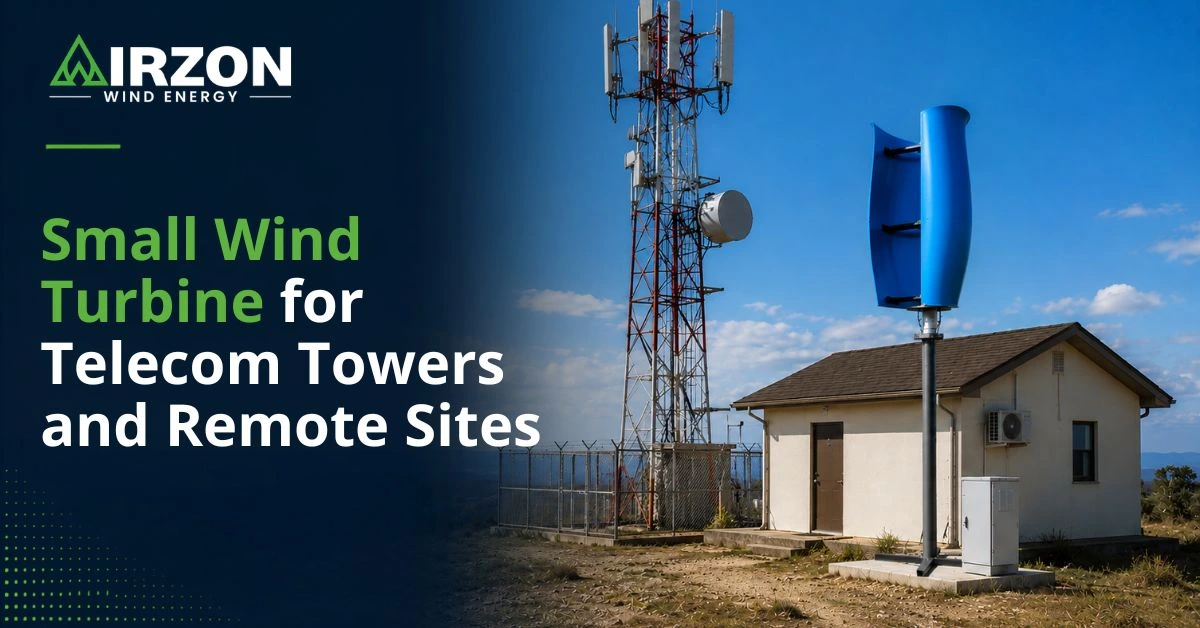
Reliable electricity is essential for telecom towers and remote sites where grid connectivity may be limited or unavailable. A Small Wind Turbine can support decentralized power generation by converting available wind resources into electricity for essential equipment and infrastructure. When properly designed for site conditions and integrated with suitable energy systems, wind power can help improve energy reliability for remote operations.
Telecommunication infrastructure often operates in locations far from established power networks. Remote towers require a continuous energy supply to support communication equipment, monitoring systems, lighting, and other essential operations. Depending entirely on conventional fuel-based power sources can create logistical and operational challenges in difficult-to-access locations.
A Small Wind Turbine provides an alternative renewable energy source for suitable sites with adequate wind resources. It can operate as part of a standalone or hybrid power system, helping support energy generation closer to the point of use.
Why Telecom Towers Need Reliable Remote Power Solutions?
Telecom towers must maintain consistent operation to support uninterrupted communication services. Remote locations can experience challenges related to grid availability, fuel transportation, and power infrastructure.
Reliable, decentralized energy systems can help support:
- Telecom communication equipment
- Monitoring and control systems
- Security systems
- Site lighting
- Remote electronic infrastructure
- Battery charging systems
A properly planned Small Wind Turbine system can contribute renewable electricity to support these operational requirements.
How a Small Wind Turbine Supports Telecom Towers?
A Small Wind Turbine captures the kinetic energy of wind and converts it into electrical energy through its rotating components and generator system. For telecom towers, the electricity generated can be used directly within a suitably designed energy system or stored for later use.
The system can be integrated with batteries and power management equipment to help maintain energy availability during periods of changing wind conditions. This makes wind power particularly useful as part of a hybrid renewable energy solution.
The actual energy contribution depends on local wind resources, turbine specifications, energy consumption, and overall system design.
Benefits of Wind Energy for Remote Sites
Remote sites can benefit from renewable energy systems that reduce dependence on long-distance fuel supply and centralized power infrastructure.
Reduced Dependence on Conventional Power Sources
Generating electricity at the installation site can reduce reliance on grid extensions and fuel-based generators where suitable renewable resources are available.
Suitable for Decentralized Applications
A Small Wind Turbine can be installed close to the point where energy is required, supporting localized power generation for remote infrastructure.
Supports Hybrid Energy Systems
Wind energy can be combined with solar power and battery storage to create a hybrid system that uses multiple energy sources based on availability.
Sustainable Energy Generation
Wind power generates electricity using a naturally available resource and can support sustainability objectives for remote infrastructure projects.
The Wind Energy Process for Remote Power Generation
Understanding the Wind Energy Process helps explain how wind can support telecom towers and remote locations. The process begins when moving air creates rotational motion in the turbine rotor.
This rotational energy is transferred to a generator, which converts mechanical energy into electrical energy. Depending on the system configuration, the generated electricity can then be managed through controllers, stored in batteries, or supplied to connected equipment.
For remote applications, proper energy management is important because wind availability can change throughout the day and across seasons.
Hybrid Renewable Energy Systems for Telecom Infrastructure
Combining a Small Wind Turbine with solar panels and battery storage can improve the flexibility of remote power systems. Wind and solar resources may be available at different times, allowing the system to use multiple renewable energy sources.
Battery storage can help retain available electricity for periods when renewable generation is lower. A properly designed hybrid system can support:
- Improved energy availability
- Reduced dependence on conventional generators
- Better use of available renewable resources
- Greater flexibility for remote operations
- Scalable energy system design
Professional assessment is important to determine the appropriate combination of wind, solar, storage, and backup power for a specific telecom site.
Renewable Energy in Rural and Remote Areas
Renewable Energy in Rural Areas can help address power challenges where extending conventional electrical infrastructure may be difficult. Wind systems can support localized generation when site conditions are suitable.
A Small Wind Turbine can be considered for applications beyond telecom towers, including remote monitoring stations, agricultural facilities, rural infrastructure, and off-grid operations. Each project requires an assessment of wind conditions, energy demand, installation requirements, and available space.
Looking for reliable power for remote sites? Contact Us for Small Wind Turbine and hybrid energy solutions.
Important Factors Before Installing a Small Wind Turbine
Selecting a renewable energy system for a telecom tower or remote site requires careful planning. Important factors include:
- Local wind speed and seasonal wind patterns
- Daily and annual energy consumption
- Turbine capacity and power curve
- Installation height and available space
- Battery storage requirements
- Solar integration opportunities
- Accessibility for maintenance
- Environmental and regulatory requirements
These factors help determine whether wind energy is suitable and how the system should be configured for the intended application.
| System Component | Role in Remote Power Generation |
| Small Wind Turbine | Captures wind energy and generates electricity |
| Solar Panels | Generate power during suitable daylight conditions |
| Battery Storage | Stores electricity for later use |
| Energy Controller | Manages power flow between generation and storage |
| Backup Power | Supports operations when renewable resources are insufficient |
How Professional Energy Planning Improves Remote Site Performance?
Remote energy projects require more than selecting individual equipment components. A successful system should be designed around actual site conditions and operational requirements.
Professional planning evaluates wind resources, energy demand, equipment compatibility, installation conditions, and long-term maintenance needs. For telecom infrastructure, this approach helps create a properly integrated Small Wind Turbine system capable of supporting site-specific energy requirements.
Frequently Asked Questions
A Small Wind Turbine can contribute electricity to telecom tower operations when the site has suitable wind resources and the system is properly sized according to energy requirements.
Hybrid systems combine resources such as wind, solar, and battery storage, allowing energy to be generated from different sources and improving overall system flexibility.
Yes. Renewable Energy in Rural Areas can support localized power generation for suitable locations where wind resources and energy requirements align with the selected system.
The Wind Energy Process begins when wind rotates the turbine rotor. This mechanical energy is transferred to a generator, which converts it into electrical energy for use, storage, or system distribution.
Wind conditions, energy demand, installation location, tower requirements, battery storage, maintenance access, and system integration should all be evaluated.
Conclusion
A Small Wind Turbine can support telecom towers and remote sites by providing decentralized renewable energy generation in locations with suitable wind conditions. When integrated with solar panels, battery storage, and effective energy management systems, wind power can contribute to a flexible and sustainable remote power solution. Careful site assessment and professional system design remain essential for matching energy generation with the operational requirements of critical infrastructure.
Related Posts