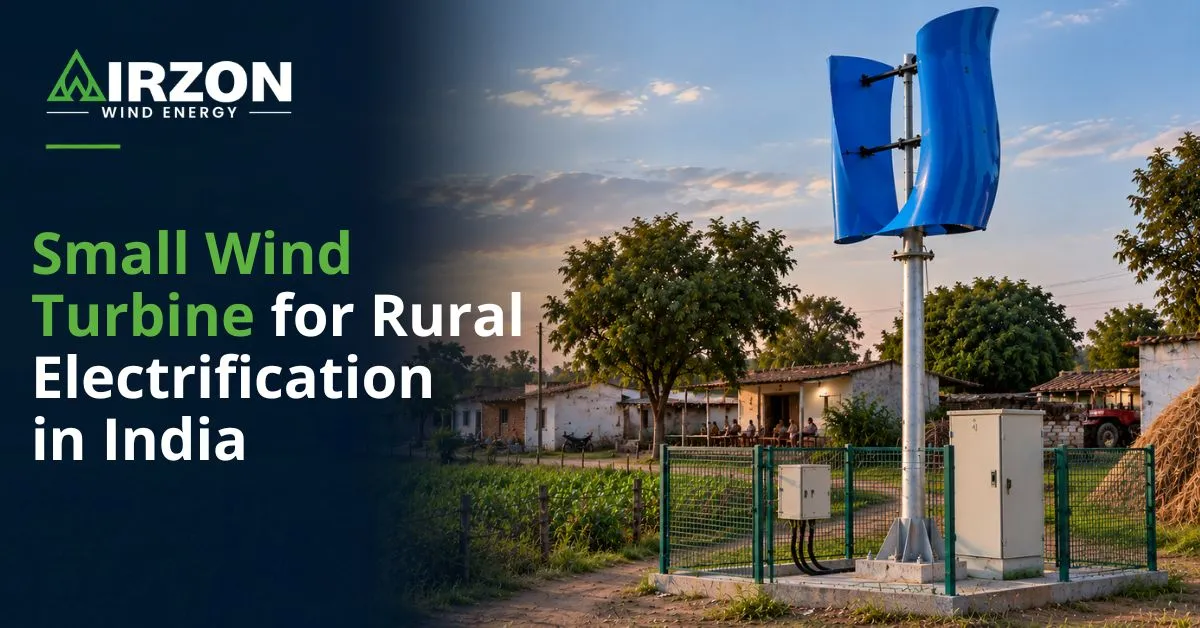
Reliable electricity is essential for rural households, agricultural activities, small businesses, and community infrastructure. However,…
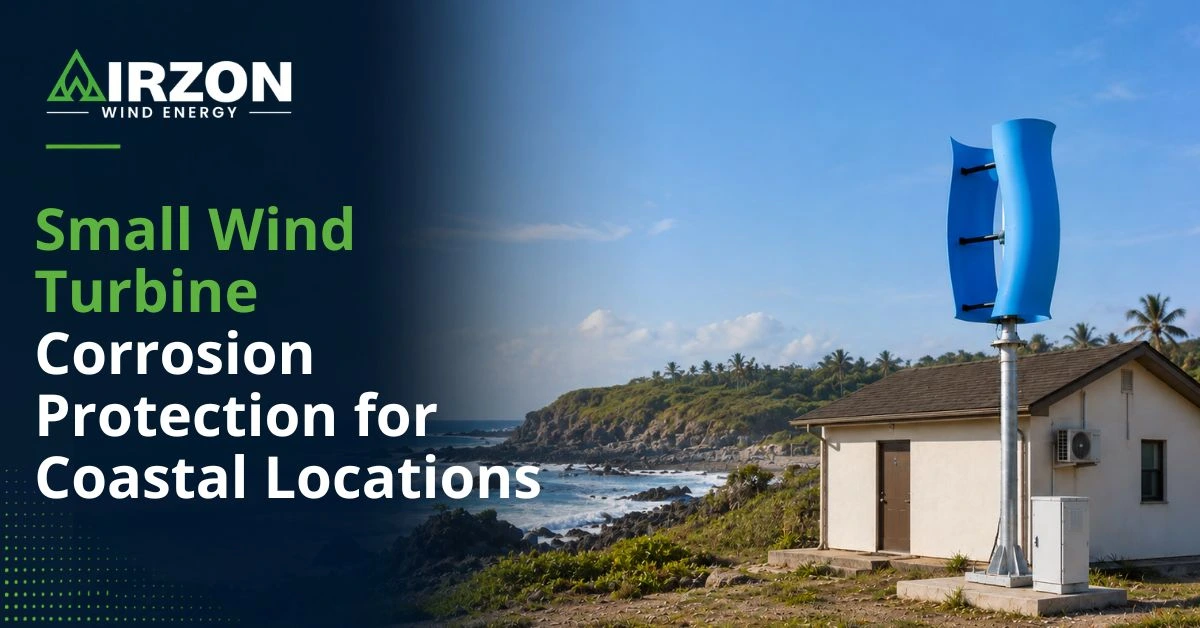
Coastal locations offer strong potential for renewable energy, but they also expose equipment to salt spray, high humidity, moisture, and changing weather conditions. These factors can accelerate corrosion and affect the durability of wind energy systems. For a small wind turbine, effective corrosion protection is therefore an important part of system design, installation, and long-term maintenance.
Why Is Corrosion a Concern for Coastal Wind Turbines?
Corrosion occurs when materials, particularly metals, react with moisture and oxygen, with salt accelerating the process. In coastal areas, airborne salt particles can settle on exposed surfaces and remain there because of persistent humidity.
A small wind turbine may experience corrosion on:
- Tower sections and mounting structures
- Fasteners, bolts, and brackets
- Generator housings and mechanical components
- Electrical enclosures and connections
- Blade components and metallic fittings
- Pylons and other supporting structures
If corrosion is left untreated, it can weaken components, damage protective finishes, increase maintenance requirements, and eventually affect system reliability.
How Can a Small Wind Turbine Be Protected from Coastal Corrosion?
Corrosion protection should begin before installation rather than being addressed only after rust or deterioration becomes visible. A Small Wind Turbine installed near the coast can face continuous exposure to salt spray, humidity, moisture, and changing weather conditions. Several protective measures can work together to improve durability in marine environments.
- Use corrosion-resistant materials: Selecting stainless steel, galvanized components, marine-suitable alloys, or other corrosion-resistant materials for exposed parts can reduce vulnerability.
- Apply suitable protective coatings: Properly specified paint and coating systems create a barrier between the component and the surrounding environment. Coatings should be selected according to the expected level of salt and moisture exposure.
- Protect electrical connections: Sealed enclosures, weather-resistant connectors, appropriate cable glands, and properly protected junctions help prevent moisture and salt from reaching sensitive electrical components.
- Control water accumulation: Good drainage and installation practices prevent water from becoming trapped around joints, fasteners, or equipment housings.
- Inspect and repair coatings: Scratches, cracks, peeling, and exposed metal should be addressed promptly because damaged areas can become starting points for localized corrosion.
What Maintenance Helps Prevent Turbine Corrosion?
Regular maintenance is particularly important in coastal installations. For a Small Wind Turbine, visual inspections can identify early rust, coating deterioration, loose or corroded fasteners, damaged seals, and moisture ingress before they develop into larger problems.
Salt deposits should be cleaned where appropriate, while exposed components should be checked after severe weather. Inspection frequency should reflect the site’s marine exposure, equipment design, manufacturer recommendations, and local environmental conditions.
A planned maintenance program can help extend component life, reduce unexpected downtime, and make long-term operating costs more predictable.
Which Components Need the Most Attention?
| Component | Coastal Corrosion Risk | Recommended Protection |
| Tower | Salt and moisture exposure | Protective coating and regular inspection |
| Fasteners | Rust and material degradation | Corrosion-resistant materials and inspection |
| Blades | Surface damage and moisture exposure | Suitable finishes and visual checks |
| Generator housing | Moisture and salt ingress | Sealing and protective coatings |
| Electrical connections | Moisture and salt contamination | Weatherproof enclosures and connectors |
Why Is Early Corrosion Detection Important?
Small areas of corrosion can develop into more serious deterioration when exposed continuously to coastal conditions. Detecting coating failure, surface rust, damaged seals, or corroded fasteners early allows corrective work to be completed before structural or electrical problems become significant.
For a small wind turbine, proactive corrosion management supports reliable energy generation while protecting the investment in the overall renewable energy system.
How Does Proper Design Improve Corrosion Resistance?
Corrosion protection is most effective when material selection, coatings, sealing, drainage, installation quality, and maintenance are considered together. The correct approach depends on factors such as distance from the coastline, exposure to salt spray, local humidity, wind conditions, component materials, and installation environment.
A professionally designed small wind turbine system can incorporate these considerations from the beginning, improving durability and reducing avoidable maintenance challenges.
Want to explore a durable small wind turbine solution for a coastal application? Contact us today to discuss your site requirements and renewable energy needs.
What Coastal Factors Increase Corrosion Risk?
The level of corrosion risk for a small wind turbine varies according to the site’s environmental conditions. Turbines installed close to the shoreline may experience greater exposure to salt spray than systems located farther inland. High humidity, frequent rainfall, strong winds, and temperature changes can also contribute to moisture accumulation and accelerate surface deterioration.
Understanding the site’s exposure level helps determine the appropriate materials, coatings, sealing methods, and inspection frequency needed for long-term protection.
How Can Corrosion Protection Extend Turbine Life?
Effective corrosion protection does more than improve the appearance of a small wind turbine. It helps preserve the strength and functionality of important structural, mechanical, and electrical components over time. Protecting exposed surfaces and addressing early signs of deterioration can reduce the likelihood of costly repairs and unplanned downtime.
A combination of suitable materials, protective finishes, proper installation, and preventive maintenance can help maintain dependable turbine operation and extend the service life of the overall wind energy system.
Frequently Asked Questions
Salt-laden air and high humidity can accelerate corrosion on exposed metal, electrical connections, fasteners, and structural components.
Coatings significantly reduce exposure but cannot eliminate corrosion entirely. Material selection, sealing, inspection, cleaning, and maintenance are also important.
Towers, fasteners, metallic fittings, generator housings, electrical connections, and damaged coated surfaces can be particularly vulnerable.
Inspection frequency depends on site exposure, turbine design, manufacturer recommendations, and environmental conditions. Coastal systems generally benefit from a proactive inspection schedule.
Salt deposits and moisture can contribute to surface deterioration, particularly where protective finishes are damaged. Regular inspection helps identify problems early
Conclusion
Coastal environments require greater attention to corrosion because salt, moisture, and humidity can accelerate equipment deterioration. Combining corrosion-resistant materials, suitable coatings, sealed electrical components, effective drainage, regular inspections, and timely repairs can significantly improve durability. With appropriate planning and maintenance, a small wind turbine can remain a reliable component of a coastal renewable energy system.
Related Posts