Reliable electricity is essential for rural households, agricultural activities, small businesses, and community infrastructure. However,…
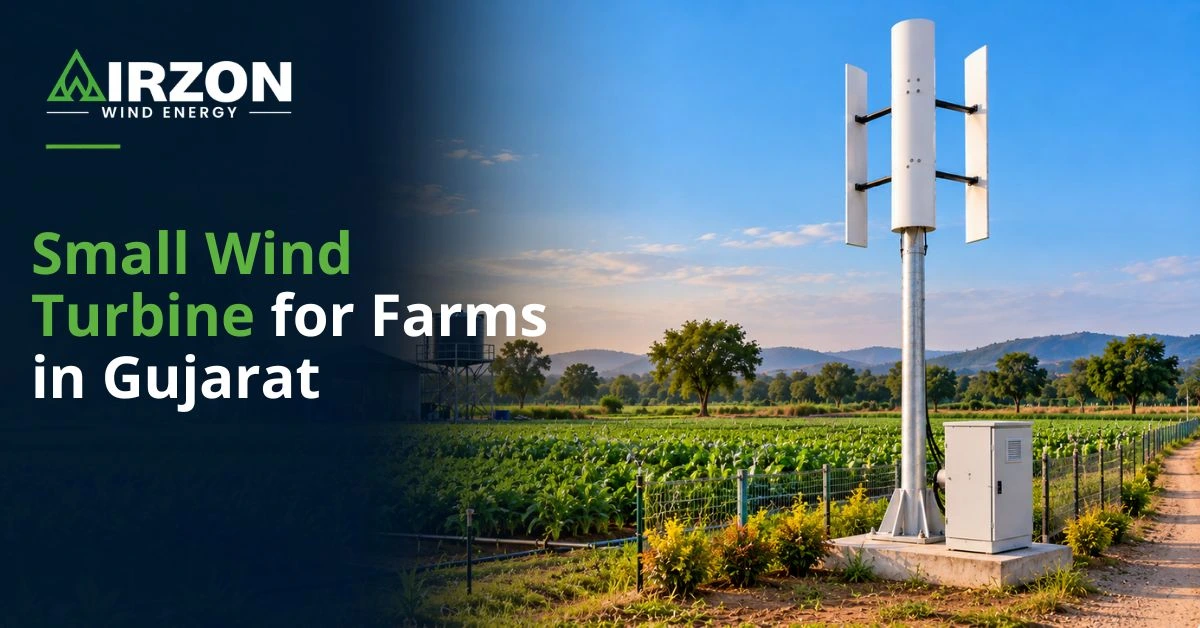
Farmers in Gujarat need dependable energy for irrigation, water pumping, livestock facilities, and other agricultural operations. In locations with suitable wind resources, a Small Wind Turbine can provide renewable power and help reduce dependence on grid electricity or fuel-based generators.
Gujarat’s long coastline, including the Kutch and Saurashtra regions, offers potential opportunities for wind energy. However, wind availability varies by location, so farmers should assess their individual sites before investing in a wind-powered system.
Why Consider a Small Wind Turbine for Farms in Gujarat?
Agricultural properties may have open land, remote water sources, and energy requirements that make renewable power worth evaluating. A Small Wind Turbine can support several farm applications:
- Irrigation pumping: Supply mechanical or electrical power for moving water.
- Livestock water supply: Support pumping systems used to fill water tanks.
- Remote farm operations: Provide power where grid access is limited.
- Hybrid energy generation: Work alongside solar panels and battery storage where suitable.
- Reduced fuel dependence: Help limit reliance on conventional energy sources when wind generation meets part of the farm’s demand.
Actual savings depend on installation costs, wind conditions, system capacity, maintenance, and the amount of energy generated.
Which Areas of Gujarat May Be Suitable?
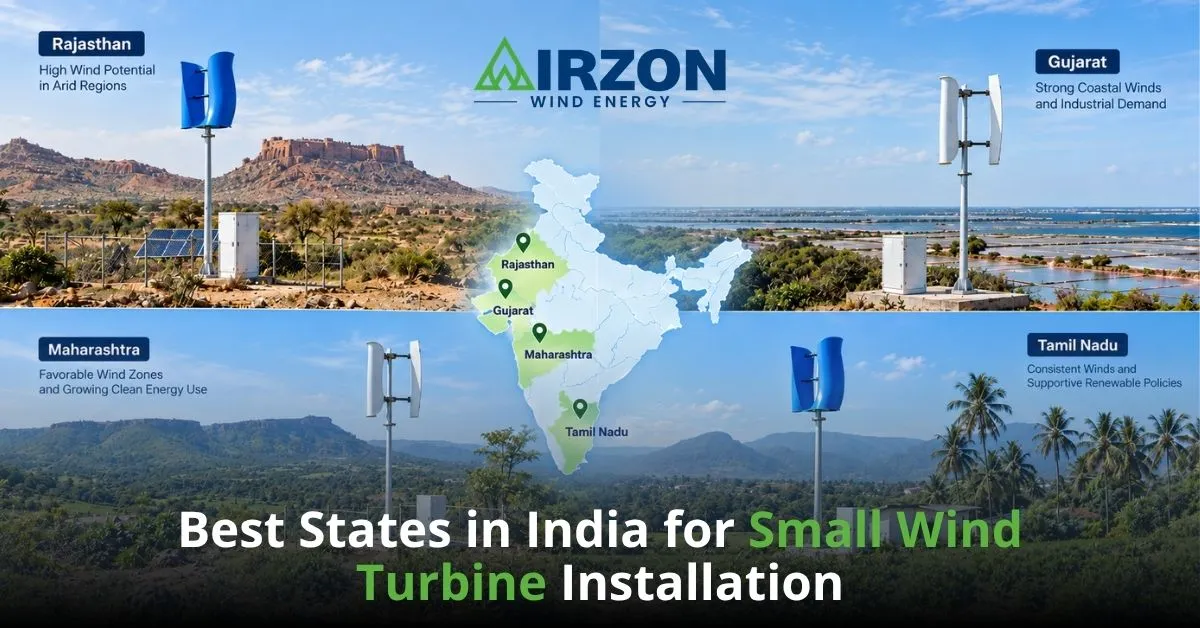
Gujarat has several geographic features worth considering when evaluating wind energy for agriculture. A Small Wind Turbine may be suitable for farms with consistent wind resources and sufficient space for safe installation.
Kutch and Saurashtra: Coastal and open areas may offer favorable wind conditions at suitable sites. Farms, aquaculture facilities, and remote agricultural properties can evaluate wind-powered systems where measurements support their use.
Jamnagar and Porbandar: Properties in these coastal districts may be candidates for wind energy assessment, particularly where nearby obstacles do not significantly disrupt airflow.
Bhavnagar and other agricultural areas: Open farmland may provide installation opportunities, but local wind measurements are still necessary to establish whether a turbine can generate useful power.
A district’s reputation for wind energy does not guarantee that every farm within it is suitable. A site assessment should guide the final decision.
Looking for a suitable wind energy solution for your farm in Gujarat? Contact us to discuss your agricultural power requirements and site conditions.
How Can Wind Turbines Support Irrigation?
A wind-powered irrigation system can use one of two configurations. Mechanical wind pumps connect the rotor directly to a pumping mechanism, while wind-electric systems use a generator to supply electricity to an AC or DC pump.
For a Small Wind Turbine, the appropriate setup depends on water depth, pumping head, required flow rate, operating schedule, and available wind energy. Farmers should calculate their actual water requirements before choosing turbine capacity.
How Can Small Wind Turbines Support Agricultural Activities in Gujarat?
A Small Wind Turbine can support agricultural activities beyond irrigation, depending on its capacity and the site’s wind conditions. Farms in suitable locations may use wind-generated electricity for livestock water supply, farm lighting, small equipment, and other essential operations.
For properties in remote or coastal areas of Gujarat, these systems may offer an alternative source of power where grid access is limited. However, the turbine’s capacity must match the farm’s actual energy requirements, and a site assessment is necessary to determine whether sufficient wind is available for reliable operation.
What Should Farmers Check Before Installation?
Before purchasing a Small Wind Turbine, evaluate these factors:
- Wind resource: Measure wind conditions at the proposed site.
- Tower placement: Consider height, nearby buildings, trees, and other obstacles.
- Pumping requirements: Establish water depth, flow rate, and pumping head.
- System sizing: Match the turbine and pump to expected energy demand.
- Maintenance and safety: Check access for inspections and the manufacturer’s operating requirements.
- Project economics: Compare installation, maintenance, and storage costs with expected energy savings.
Frequently Asked Questions
Yes, A Small Wind Turbine can power a mechanical wind pump or generate electricity for an irrigation pump, depending on the system design and available wind resource.
Kutch, Saurashtra, and suitable coastal areas around Jamnagar, Porbandar, and Bhavnagar may be worth evaluating. Site-specific wind measurements are essential before installation.
Yes, Wind and solar can be integrated into a hybrid system, potentially supported by batteries or backup generation to manage periods of low renewable output.
The required capacity depends on water depth, pumping head, flow rate, operating hours, wind conditions, and other electrical loads. A site and energy assessment helps determine suitable sizing.
No, Suitability depends on wind availability, terrain, obstacles, energy demand, installation costs, and local requirements. Some farms may benefit more from solar or a hybrid system.
Conclusion
A Small Wind Turbine can be a useful renewable energy option for farms in Gujarat when local wind conditions and agricultural power requirements align. Coastal and open areas may offer opportunities, but careful site assessment is essential to avoid unrealistic generation expectations.
By evaluating irrigation needs, turbine placement, system capacity, and the potential for wind-solar integration, farmers can make a more informed decision about using renewable energy for agricultural operations.
Related Posts