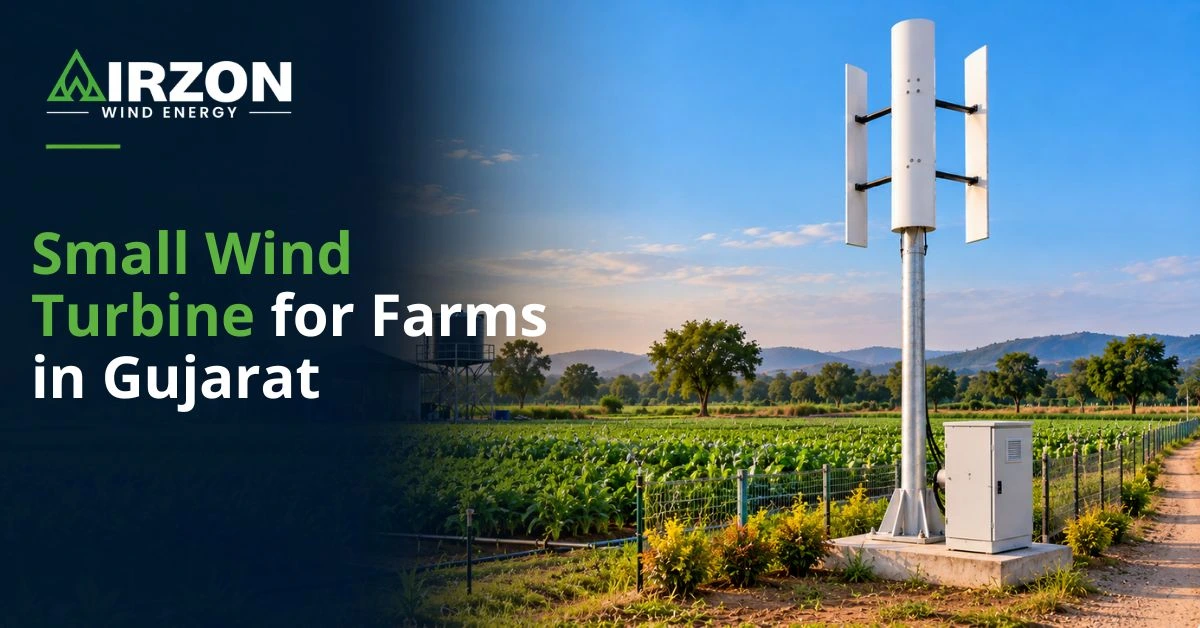
Farmers in Gujarat need dependable energy for irrigation, water pumping, livestock facilities, and other agricultural…
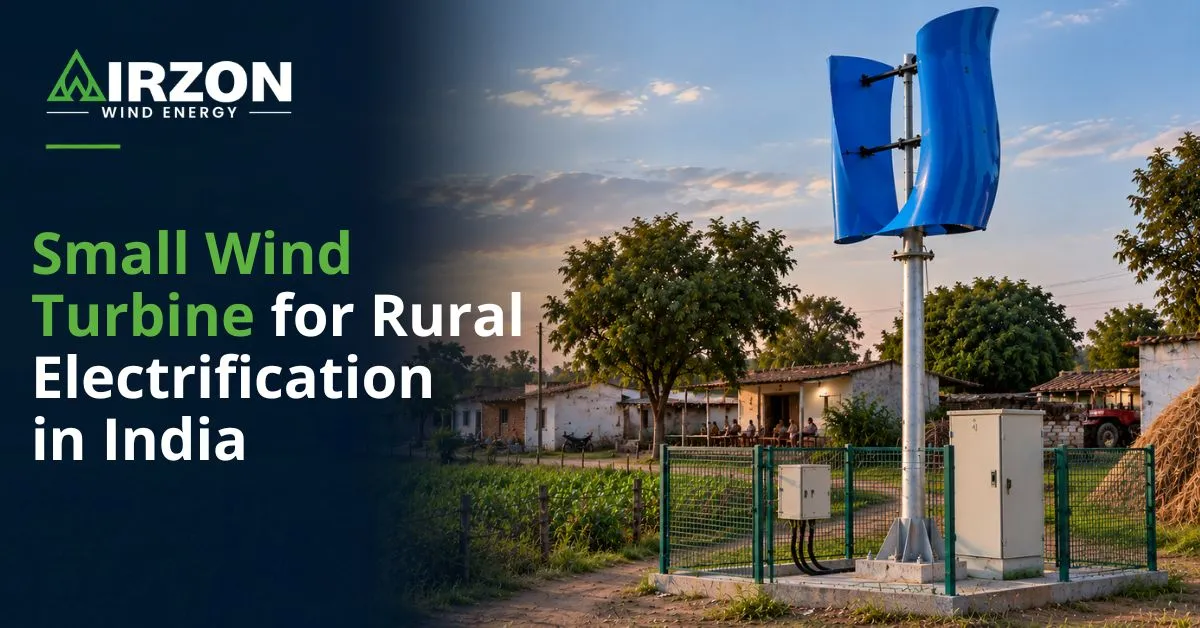
Reliable electricity is essential for rural households, agricultural activities, small businesses, and community infrastructure. However, some remote villages and isolated properties continue to face challenges related to grid connectivity, power interruptions, and the cost of extending conventional electricity networks. In suitable locations, a Small Wind Turbine can provide locally generated renewable electricity for selected rural energy needs.
By converting wind energy into electrical power, these systems can support off-grid applications, remote facilities, and decentralized energy projects. Their effectiveness depends on local wind availability, electricity demand, installation conditions, and system design.
How Can Small Wind Turbines Support Rural Electrification?
A wind turbine captures the kinetic energy of moving air through its rotor blades. The rotating assembly drives a generator, which converts mechanical energy into electricity. Power conditioning equipment may then regulate the output for connected loads or battery storage.
A Small Wind Turbine can support rural applications such as:
- Remote households: Supplying electricity for lighting, communication devices, and selected appliances.
- Agricultural operations: Supporting water pumping and essential farm equipment.
- Village facilities: Providing power for community buildings and selected public services where system capacity is sufficient.
- Telecommunication sites: Supporting remote communication infrastructure.
- Small rural businesses: Helping meet electricity requirements for suitable workshops, shops, and other local operations.
The actual loads that can be powered depend on turbine capacity, wind conditions, storage, and the amount of electricity consumed.
Where Can Small Wind Turbines Be Installed in India?
India’s wind resources vary considerably across regions, terrain, and individual sites. Coastal areas, exposed rural properties, and locations with consistent airflow may offer opportunities for small-scale wind generation.
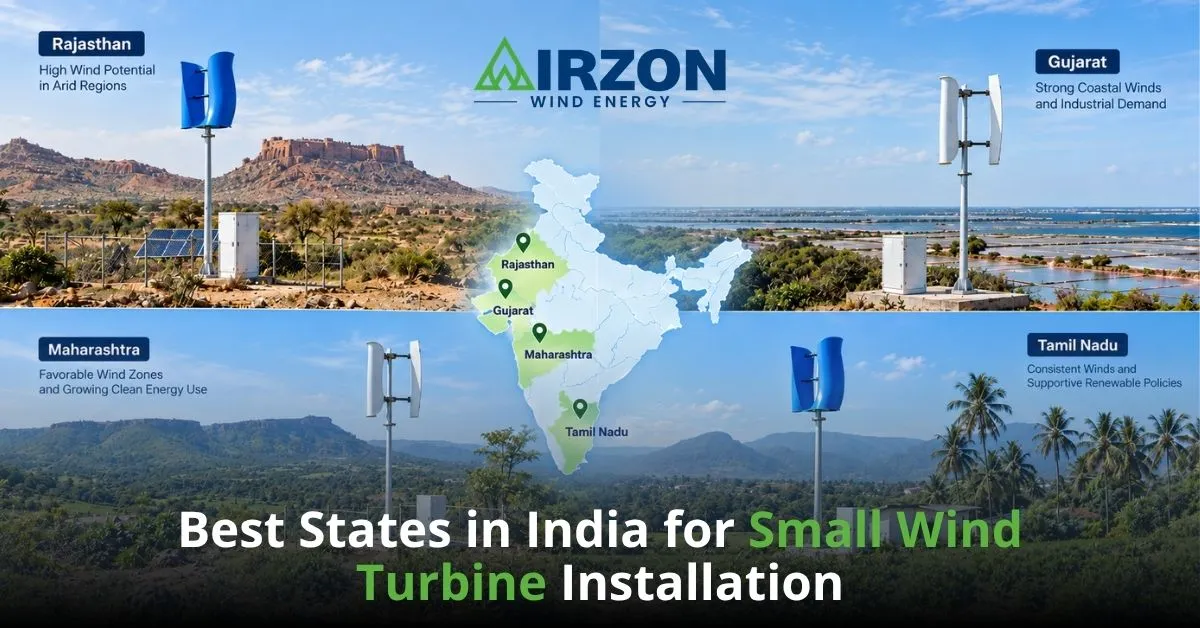
Parts of Gujarat, Tamil Nadu, Maharashtra, and Rajasthan may warrant assessment based on their regional wind characteristics. However, a state or district’s established wind-energy potential does not guarantee suitable conditions at every rural property.
Before installing a Small Wind Turbine, developers should assess measured wind speeds, seasonal variations, terrain, nearby trees and buildings, and practical tower height. Locations with weak or turbulent winds may produce insufficient electricity to justify the investment.
What Equipment Is Needed for a Rural Wind Energy System?
A rural wind installation requires more than the turbine itself. The system components must work together to generate, regulate, distribute, and potentially store electricity.
- Rotor and blades: Capture wind energy and drive rotation.
- Tower and foundation: Position the turbine in suitable airflow while providing structural stability.
- Generator: Converts rotational energy into electrical power.
- Controller and electrical protection: Regulate system operation and help protect connected equipment.
- Battery storage: Stores surplus electricity for later use when included in the system design.
- Inverter and wiring: Provide compatible electrical output for supported loads and distribute power safely.
The required configuration depends on whether the installation operates independently, connects to a local electricity network, or forms part of a hybrid energy system.
Is Off-Grid Wind Power Suitable for Remote Villages?
Off-grid wind power can be useful where grid access is limited and local wind resources are adequate. A standalone system may supply selected loads directly when wind power is available, while batteries can help provide electricity during periods of low wind.
For a Small Wind Turbine, the system must be sized according to daily energy consumption, peak demand, expected wind generation, and required backup duration. Where wind conditions fluctuate substantially, solar power or another backup source may improve electricity availability.
Wind generation is not continuous or guaranteed. Essential services therefore require suitable storage, backup planning, or another reliable supply arrangement.
Looking to explore wind energy for rural or off-grid applications? Contact us to discuss your site conditions and renewable power requirements.
What Challenges Should Rural Projects Consider?
Rural wind installations can face several practical challenges that affect performance and cost.
- Variable wind conditions: Seasonal changes and local turbulence can reduce energy production below expectations.
- Initial investment: Turbine equipment, tower construction, electrical components, transport, and installation contribute to project costs.
- Maintenance access: Remote installations need a practical plan for inspections, repairs, and replacement components.
- System sizing: An undersized system may fail to meet demand, while an oversized installation can increase costs unnecessarily.
- Community requirements: Projects serving multiple households or public facilities need clear arrangements for electricity distribution, maintenance responsibilities, and ongoing operating expenses.
A feasibility assessment can help determine whether wind power is appropriate or whether solar, grid extension, or a hybrid solution would better meet local needs.
How Can Small Wind Turbines Contribute to Sustainable Rural Development?
A properly planned Small Wind Turbine project can diversify rural energy sources and support electricity access for selected household, agricultural, and community applications. Local generation may reduce dependence on diesel generators where wind resources are sufficient and operating costs justify installation.
The strongest results come from matching turbine capacity to actual demand, selecting an appropriate site, and planning for maintenance throughout the system’s service life. Rural electrification projects should assess affordability, reliability, community needs, and available alternatives before choosing a technology.
Frequently Asked Questions
A Small Wind Turbine can provide electricity for remote homes, agricultural equipment, telecommunications facilities, small businesses, and selected community applications where sufficient wind is available.
Potentially, but this requires a carefully designed project with sufficient generation capacity, appropriate distribution infrastructure, and suitable storage or backup power. A single small turbine may not meet an entire village’s demand.
Parts of Gujarat, Tamil Nadu, Maharashtra, and Rajasthan may have suitable locations. However, wind measurements and site assessments are necessary because conditions vary significantly within each state.
Yes, an appropriately designed off-grid system can operate independently of the grid. Battery storage or backup generation may be needed to provide electricity when wind output is insufficient.
Costs depend on turbine capacity, tower and foundation requirements, electrical equipment, batteries, transport, installation, maintenance, and the amount of electricity the project needs to supply.
Conclusion
A Small Wind Turbine can contribute to rural electrification in India by supplying renewable electricity to remote households, agricultural operations, communication facilities, and other suitable applications. Its effectiveness depends on local wind resources, appropriate system sizing, installation quality, and reliable maintenance.
Before investing, rural communities and project developers should compare expected generation, total costs, storage requirements, and alternative energy options. Careful planning helps establish whether small-scale wind power is a practical solution for improving electricity access.
Related Posts