Areas with limited or inconsistent wind resources can still benefit from renewable wind energy when…
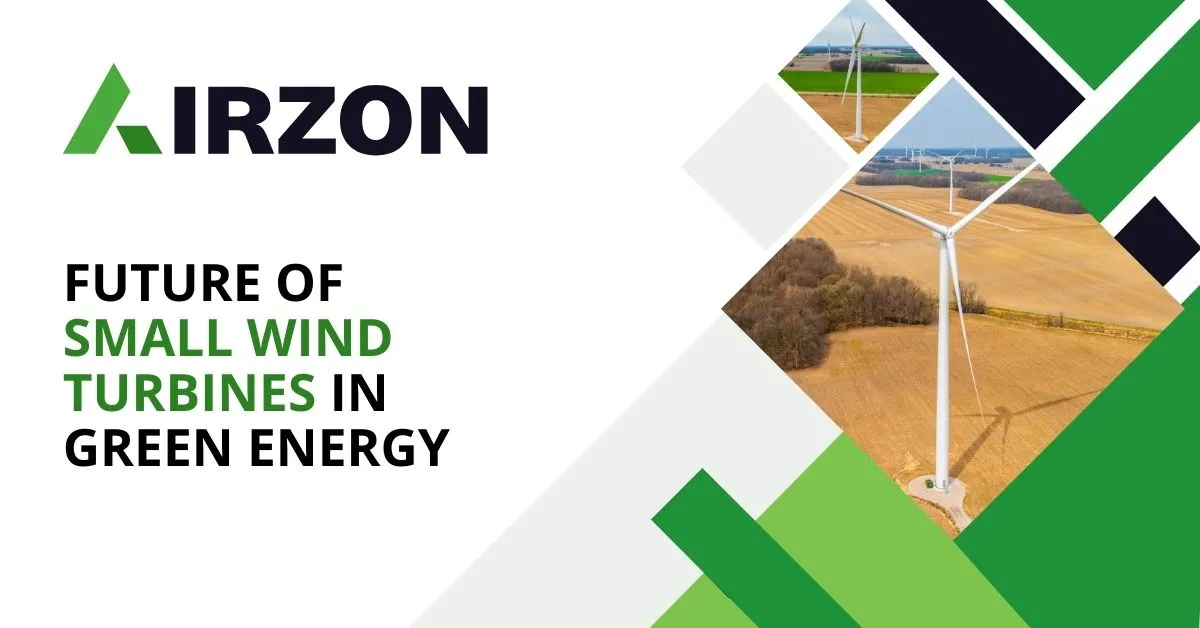
As the world transitions toward sustainable energy, small wind turbines are emerging as a key technology in the global green energy revolution. Compact, efficient, and increasingly affordable, these turbines are helping homeowners, businesses, and remote communities adopt clean energy solutions.
In 2025, the future of small wind turbines looks promising, with innovations, government support, and hybrid systems accelerating adoption.
Why Small Wind Turbines Are Vital for Green Energy?
Understanding the role of small wind turbines is essential to see their future potential.
Small wind turbines harness wind energy to generate electricity on a local scale. They reduce dependence on fossil fuels, lower carbon emissions, and make renewable energy accessible for homes, farms, and small enterprises. By complementing solar power, these systems support a more resilient and sustainable energy ecosystem.
Advantages Driving Adoption in 2025
Several benefits are fueling the growth of small wind turbines globally:
- Energy Independence – Generate your own electricity and reduce reliance on the grid.
- Cost Efficiency – Long-term savings on electricity bills with low operational costs.
- Environmental Impact – Significant reduction in CO2 emissions.
- Government Incentives – Subsidies, tax rebates, and net metering encourage adoption.
- Scalability – Systems can be expanded for growing energy needs.
Technological Innovations Shaping the Future
1. Advanced Blade Designs
New aerodynamic blades increase efficiency, allowing turbines to capture more energy at lower wind speeds.
2. Hybrid Energy Systems
Integration with solar panels ensures consistent power generation, even in low-wind conditions.
3. Smart Monitoring Systems
IoT-enabled turbines track performance in real-time, improving maintenance and output.
4. Compact Vertical Axis Turbines
Ideal for urban and suburban rooftops, these turbines allow small-scale wind energy deployment in cities.
Looking to invest in the future of green energy? Contact us today to explore the best small wind turbine solutions for your home, farm, or business.
Residential and Commercial Applications
The future of small wind turbines spans across multiple applications:
- Homes – Rooftop or backyard turbines provide self-sufficient energy.
- Farms – Off-grid turbines support irrigation, lighting, and equipment.
- Small Businesses – Reduce operational costs while promoting green branding.
- Community Microgrids – Localized power generation for remote or rural areas.
Government Policies and Incentives
Policy support is a key factor accelerating adoption:
- Subsidies & Rebates – Up to 20–40% capital support in many countries.
- Tax Credits – Incentives for installing renewable energy systems at homes or businesses.
- Net Metering Programs – Sell surplus energy back to the grid to maximize ROI.
Such incentives make small wind turbines more accessible and encourage long-term investment in green energy.
Challenges and Solutions
While small wind turbines are promising, there are challenges:
- Site Limitations – Urban areas may have lower wind speeds. Solution: Use compact VAWTs or hybrid systems.
- Upfront Costs – High initial investment can be mitigated with government subsidies and financing options.
- Maintenance Needs – Smart monitoring and professional installation ensure optimal performance.
The Road Ahead for Small Wind Turbines
The future of small wind turbines is bright:
- Greater adoption in residential and commercial sectors.
- Increased integration with solar and battery storage.
- Advancements in design, efficiency, and smart technology.
- Supportive policies accelerating renewable energy goals worldwide.
By 2030, small wind turbines are expected to play a pivotal role in achieving carbon neutrality, reducing energy costs, and creating sustainable communities.
Frequently Asked Questions
They provide clean, renewable electricity, reduce carbon emissions, and support decentralized energy solutions.
Yes, hybrid systems combine wind and solar to ensure reliable year-round power.
Advanced blade designs, vertical axis turbines, smart IoT monitoring, and hybrid integration.
Yes, many countries offer 20–40% subsidies, tax rebates, and net metering programs.
Yes, vertical axis and compact rooftop turbines work well in low-wind urban areas.
Conclusion
Small wind turbines are set to play a pivotal role in the green energy revolution, offering homes, businesses, and communities a reliable, eco-friendly power source. With ongoing technological innovations, hybrid solutions, and supportive government policies, these turbines provide cost savings, energy independence, and reduced carbon footprints.
Related Posts