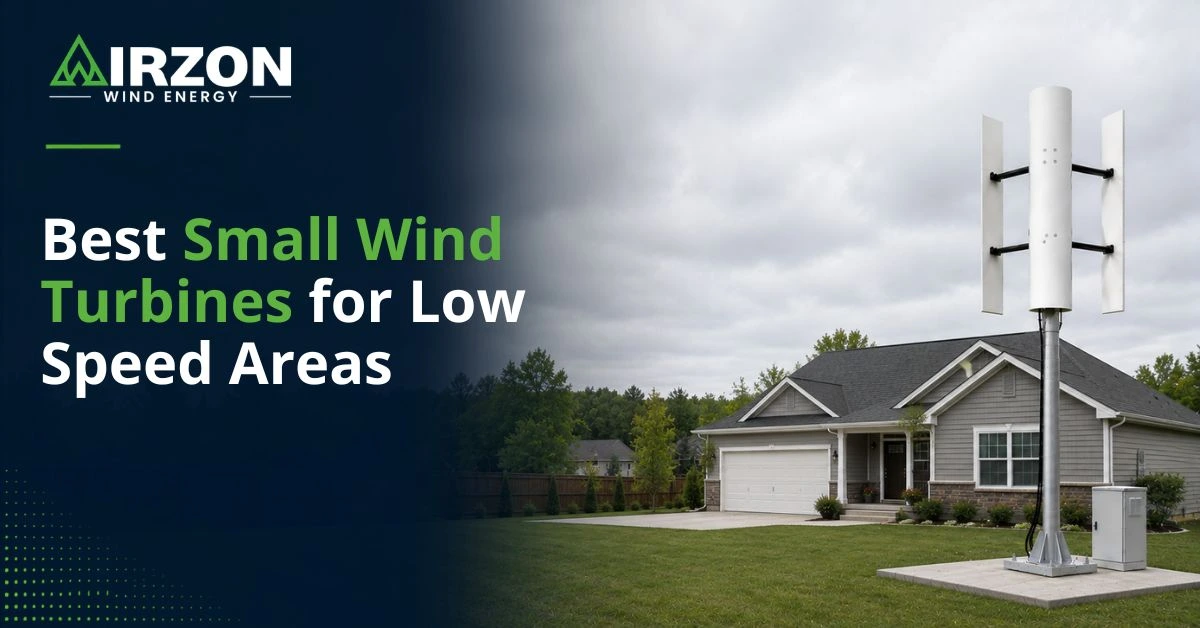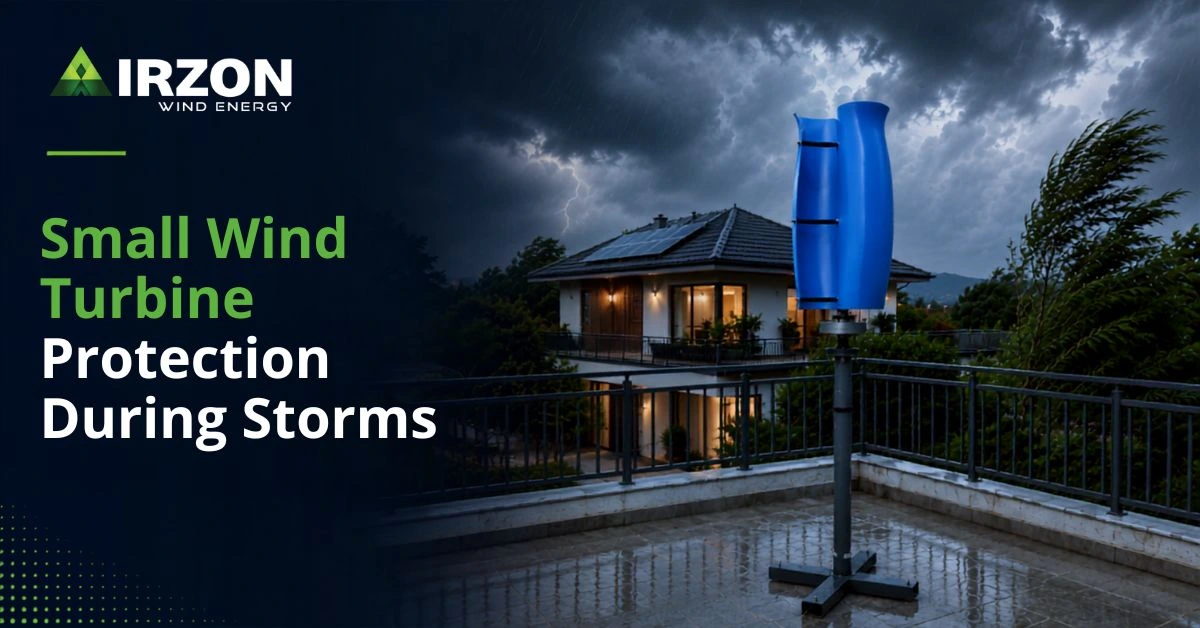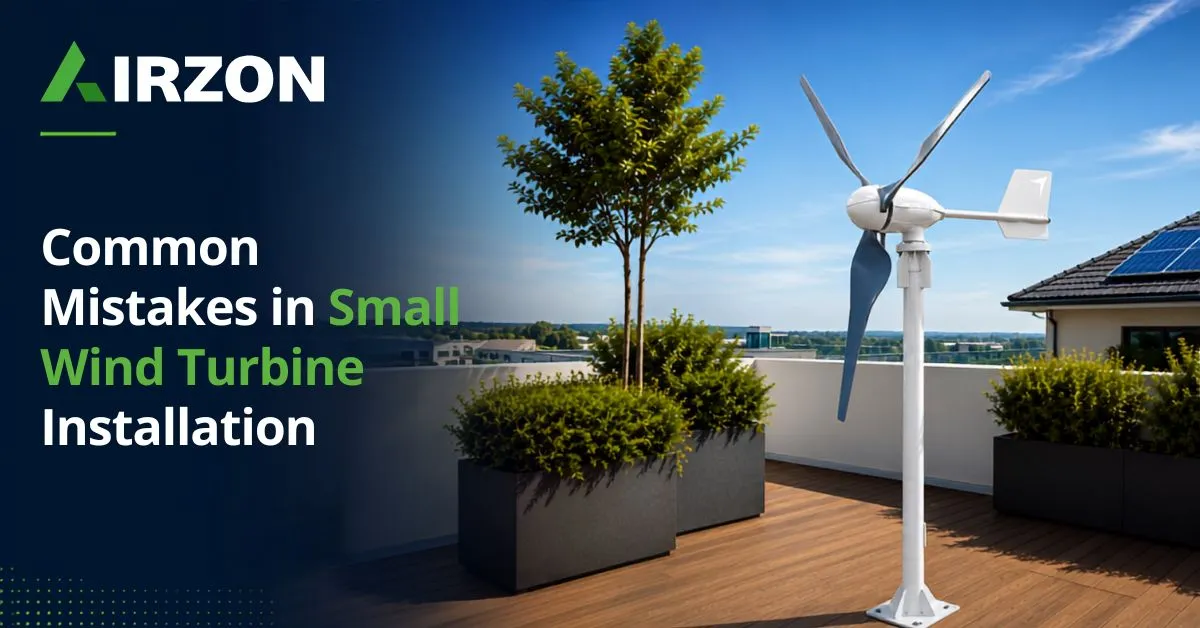
Areas with limited or inconsistent wind resources can still benefit from renewable wind energy when…

As cities evolve and sustainability takes center stage, rooftop small wind turbine systems are emerging as a smart solution for clean energy generation. These compact turbines harness wind power directly from your rooftop, providing an eco-friendly and cost-effective alternative to traditional grid electricity.
Let’s explore how small wind turbines are transforming urban rooftops into personal power plants.
Harnessing Wind Power from Your Rooftop
With rising energy costs and growing environmental awareness, homeowners are looking for sustainable energy alternatives. A rooftop small wind turbine system converts natural wind into usable electricity right from your home’s rooftop, offering energy independence and reducing your carbon footprint.
This innovation is making renewable energy more accessible than ever, especially for residential and small commercial spaces.
What Is a Rooftop Small Wind Turbine System?
A small wind turbine system is a compact, efficient wind-powered generator designed for residential and commercial rooftops. It captures wind energy using aerodynamic blades that spin a rotor connected to a generator, producing clean electricity.
There are two main types: Vertical Axis Wind Turbines (VAWT) and Horizontal Axis Wind Turbines (HAWT).
Types of Rooftop Wind Turbine
| Type | Design | Ideal Location | Maintenance | Efficiency | Noise Level |
| Vertical Axis (VAWT) | Compact, omni-directional | Urban rooftops | Low | Moderate | Low |
| Horizontal Axis (HAWT) | Traditional propeller-style | Open, high-wind rooftops | Moderate | High | Moderate |
Both options can be tailored based on local wind conditions, rooftop structure, and energy requirements.
Benefits of Installing a Rooftop Wind Turbine
When you install a small wind turbine on your rooftop, you gain multiple long-term benefits:
- Clean and renewable energy: No carbon emissions or fuel dependency.
- Cost savings: Generate free electricity and reduce monthly bills.
- Space efficiency: Ideal for urban homes with limited space.
- Off-grid power potential: Great for hybrid or remote energy systems.
- Environmental impact: Each turbine reduces CO₂ emissions significantly over its lifetime.
By adopting rooftop wind technology, homeowners take a proactive step toward a sustainable future.
How Rooftop Wind Turbines Work in Urban Settings
In urban areas, small wind turbine systems face challenges like turbulent wind flow due to tall buildings. To maximize performance, turbines are installed at optimal heights where wind speed is most consistent.
Modern designs—especially vertical axis turbines—are specifically engineered for urban conditions. Their ability to capture wind from all directions makes them highly suitable for rooftops in cities with variable wind patterns.
Cost, Efficiency & Payback Period
The cost of a small rooftop wind turbine varies depending on capacity, design, and brand. Generally, systems range from ₹80,000 to ₹6,00,000 in India (or $1,000–$8,000 globally).
Cost & Performance Estimates
| System Size | Rated Power (kW) | Average Cost | Annual Output (kWh) | Payback Period |
| Small (0.5–1 kW) | 0.5–1 | ₹80,000–₹2,00,000 | 800–2,000 | 6–8 years |
| Medium (2–5 kW) | 2–5 | ₹2,50,000–₹6,00,000 | 3,000–8,000 | 5–7 years |
While upfront costs exist, long-term savings and government incentives make rooftop turbines an attractive investment for energy-conscious homeowners.
Installation & Maintenance Guide
Before installing a small wind turbine system, evaluate your location’s wind potential. An average wind speed of 3–5 m/s (10–18 km/h) is ideal for optimal performance.
Key steps include:
- Conducting a wind resource assessment
- Checking rooftop structure strength
- Hiring a certified professional installer
- Scheduling annual maintenance to ensure peak efficiency
Routine checks for alignment, lubrication, and electrical connections keep your turbine running efficiently for 15–20 years.
Want to reduce your electricity bills with renewable power?
Contact us now and let our experts guide you toward the perfect rooftop wind solution.
Rooftop Wind Turbine vs Solar Panels
While both are renewable, small wind turbine systems and solar panels differ in efficiency and application.
Wind vs Solar Energy
| Parameter | Rooftop Wind | Solar PV |
| Energy Source | Wind speed | Sunlight |
| Power Output | Variable | Consistent |
| Best Use Case | Windy or coastal regions | Sunny areas |
| Maintenance | Moderate | Low |
| Hybrid Use | Excellent for 24/7 power | Ideal combination |
Hybrid Solar-Wind Systems for Homes
The most efficient renewable setup today is a hybrid solar and small wind turbine system. Solar panels generate electricity during the day, while turbines work at night or in cloudy weather.
Adding an energy storage system (like lithium-ion batteries) and a smart inverter maximizes energy utilization and grid independence. This hybrid approach ensures 24/7 clean power with minimal reliance on the grid.
Future of Rooftop Wind Energy
The next decade will see AI-powered, IoT-enabled small wind turbines that automatically adjust to maximize performance. Advances in lightweight composite materials and magnetic levitation technology are further improving efficiency and durability.
With increasing government subsidies and awareness, rooftop small wind turbine systems are set to become a cornerstone of smart urban energy solutions.
Frequently Asked Questions
A rooftop turbine typically requires 3–5 m/s wind speed for efficient operation.
Yes, a 3–5 kW small wind turbine can cover most household needs in areas with steady wind.
The cost ranges from ₹80,000 to ₹6,00,000, depending on capacity and installation type.
Absolutely! A hybrid solar-wind system ensures consistent power day and night.
Typically 15–20 years with minimal maintenance.
Modern vertical-axis turbines are designed for quiet, vibration-free operation.
Small turbines below 10 kW often don’t require heavy permits, but local guidelines should be checked.
Conclusion
As the world shifts toward cleaner energy, rooftop small wind turbine systems are proving to be a reliable and sustainable power solution for urban homes and businesses. By transforming idle rooftops into renewable energy hubs, these compact turbines help reduce electricity bills, lower carbon footprints, and promote energy independence. Whether used alone or combined with solar panels, small wind turbines offer a powerful way to harness nature’s free resources and secure a greener, more resilient future. With technology advancing rapidly and installation costs becoming more affordable, there has never been a better time to invest in rooftop wind energy and be part of the renewable revolution.
Related Posts