Areas with limited or inconsistent wind resources can still benefit from renewable wind energy when…
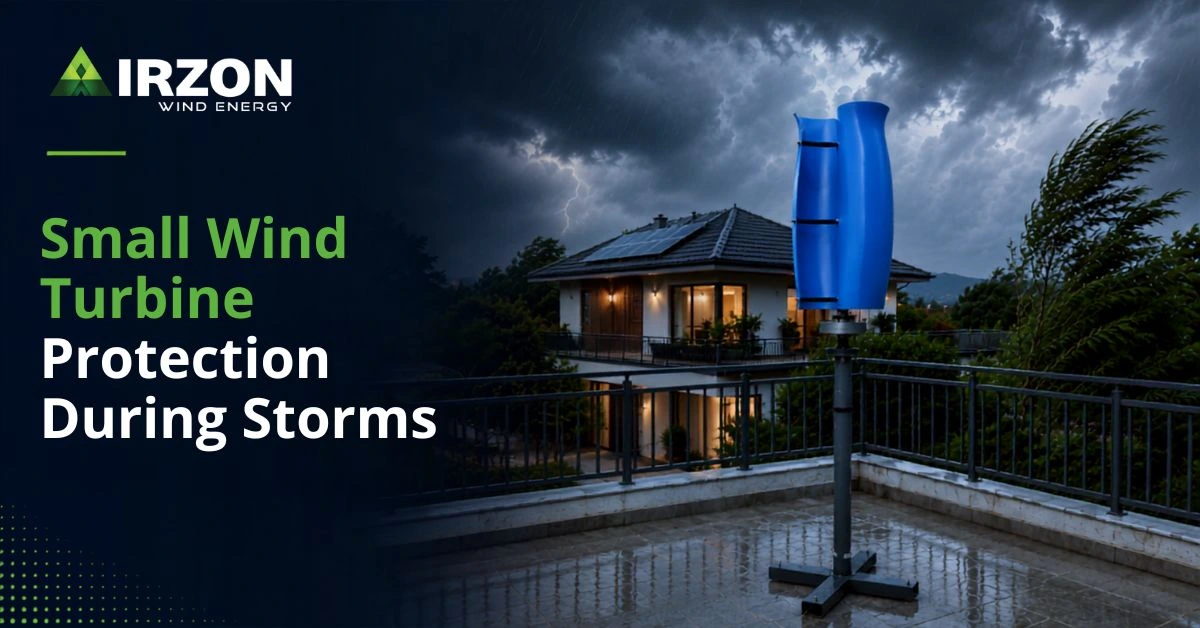
A small wind turbine is built to operate in changing weather conditions, but severe storms, strong winds, and lightning can place additional stress on the system. Modern wind turbines incorporate advanced safety features that help protect critical components, maintain structural stability, and ensure reliable operation during challenging weather. Understanding these protection mechanisms and following proper maintenance practices can help improve safety, minimize damage, and extend the lifespan of your renewable energy system.
Storms are an unavoidable part of the natural environment, making protection an essential consideration for every small wind turbine installation. High wind speeds, heavy rainfall, and lightning strikes can affect turbine performance if the system is not designed or maintained correctly. Fortunately, modern wind turbines are equipped with protective technologies that help reduce risks and maintain safe operation during adverse weather conditions.
By understanding how these systems work, homeowners, businesses, and facility managers can better prepare their wind energy systems for extreme weather.
Why Storm Protection Is Important for a Small Wind Turbine?
A small wind turbine is exposed to outdoor conditions throughout the year, making it vulnerable to strong winds, electrical surges, and structural stress. Effective protection systems help:
- Prevent mechanical damage
- Reduce electrical risks
- Improve operational safety
- Extend equipment lifespan
- Maintain reliable renewable energy generation
Proper planning and routine maintenance further enhance the turbine’s ability to withstand severe weather.
Common Storm Risks for Small Wind Turbines
Although a small wind turbine is designed to operate in outdoor environments, severe weather can introduce challenges that affect both performance and durability. Strong wind gusts may place additional stress on the rotor and tower, while heavy rainfall and flying debris can impact exposed components. Lightning strikes also pose a risk to electrical systems if proper grounding and surge protection are not in place. Understanding these potential hazards allows owners to take preventive measures and maintain reliable renewable energy generation throughout the year.
How to Prepare Your Small Wind Turbine Before Storm Season?
Preparing a small wind turbine before severe weather arrives can help minimize damage and improve operational safety. A proactive maintenance routine ensures that critical components are functioning properly before they are exposed to extreme conditions.
Some recommended preparation steps include:
- Inspect the tower, foundation, and support structures.
- Check bolts and fasteners for secure connections.
- Verify that the braking and protection systems are functioning correctly.
- Ensure the grounding and surge protection systems are in good condition.
- Remove nearby objects that could become airborne during high winds.
- Schedule a professional inspection if major storms are expected.
Regular preparation helps reduce unexpected downtime and extends the lifespan of the wind energy system.
Want to protect your small wind turbine from severe weather? Contact us today to explore reliable wind energy solutions designed for safe and efficient performance.
Key Protection Systems Used in Small Wind Turbines
Modern small wind turbines are equipped with a range of built-in protection systems designed to operate safely during changing weather conditions. These features help safeguard critical components from excessive wind loads, electrical surges, and mechanical stress while ensuring reliable energy generation. Understanding how these protection systems work enables users to maintain better performance, improve operational safety, and extend the lifespan of their renewable energy system.
Automatic Braking Systems
Modern wind turbines are equipped with automatic braking systems that activate when wind speeds exceed safe operating limits. By slowing or stopping blade rotation, these systems help protect the rotor, generator, and drivetrain from excessive mechanical stress.
Furling Mechanisms
Many small wind turbine systems use a furling mechanism that automatically turns the rotor away from extremely strong winds. By reducing direct wind exposure, the turbine experiences less stress during storms while protecting its critical components.
Lightning Protection and Grounding
Lightning is a significant concern for any elevated renewable energy system. A properly designed grounding system safely directs electrical energy into the ground, reducing the risk of damage to the turbine and connected electrical equipment.
Surge protection devices also help protect inverters, batteries, and other electrical components from sudden voltage spikes.
Manual Shutdown During Severe Weather
When extreme weather events such as hurricanes or severe storms are forecast, some systems allow operators to manually secure the turbine according to manufacturer recommendations. This additional precaution helps reduce unnecessary mechanical loads during exceptional weather conditions.
Routine Structural Maintenance
Regular inspections play an important role in storm preparedness. Checking bolts, support structures, electrical connections, and moving components helps identify potential issues before they develop into major problems during severe weather.
Choosing a High-Quality Small Wind Turbine for Long-Term Protection
Storm protection begins with selecting a small wind turbine that is engineered for durability and reliable performance. High-quality turbines are manufactured using robust materials, advanced safety mechanisms, and efficient electrical systems that help withstand changing weather conditions.
When selecting a wind turbine, consider features such as:
- Durable and weather-resistant construction
- Automatic braking capabilities
- Reliable lightning and surge protection compatibility
- Low-maintenance design
- Professional installation and technical support
Choosing a trusted manufacturer like Airzon Wind Energy helps ensure that your renewable energy system is designed for long-term performance, safety, and efficiency.
Best Practices for Storm Preparation
| Best Practice | Benefit |
| Inspect the turbine before storm seasons | Identifies maintenance needs early |
| Verify grounding and surge protection | Improves electrical safety |
| Check structural components regularly | Reduces the risk of mechanical failures |
| Follow manufacturer operating guidelines | Supports safe and reliable performance |
| Schedule routine professional maintenance | Enhances long-term durability and efficiency |
How Airzon Wind Energy Enhances Wind Turbine Safety?
Airzon Wind Energy designs small wind turbine solutions with performance, durability, and reliability in mind. From advanced engineering and quality components to professional installation and ongoing technical support, every system is developed to operate safely across a wide range of environmental conditions.
By combining efficient turbine technology with proper installation practices and regular maintenance, Airzon Wind Energy helps customers achieve dependable renewable energy generation throughout the year.
Frequently Asked Questions
Yes. Modern small wind turbines are designed with safety features such as automatic braking and furling systems that help protect them during strong winds.
Many systems automatically slow, stop, or redirect the rotor when wind speeds exceed safe operating limits, reducing mechanical stress.
Yes. Proper grounding and surge protection systems help reduce the risk of electrical damage caused by lightning strikes.
Yes. Regular inspections help identify loose components, structural issues, and electrical concerns before severe weather occurs.
Extreme weather can cause damage if a turbine is not properly installed or maintained. Using quality equipment and following recommended maintenance practices helps reduce these risks.
Conclusion
Protecting a small wind turbine from storms requires a combination of advanced safety features, proper installation, and regular maintenance. Automatic braking systems, furling mechanisms, lightning protection, and routine inspections all contribute to safe and reliable operation during challenging weather conditions. By investing in quality equipment and following recommended maintenance practices, users can improve system reliability, protect their renewable energy investment, and ensure consistent power generation throughout the year.
Related Posts