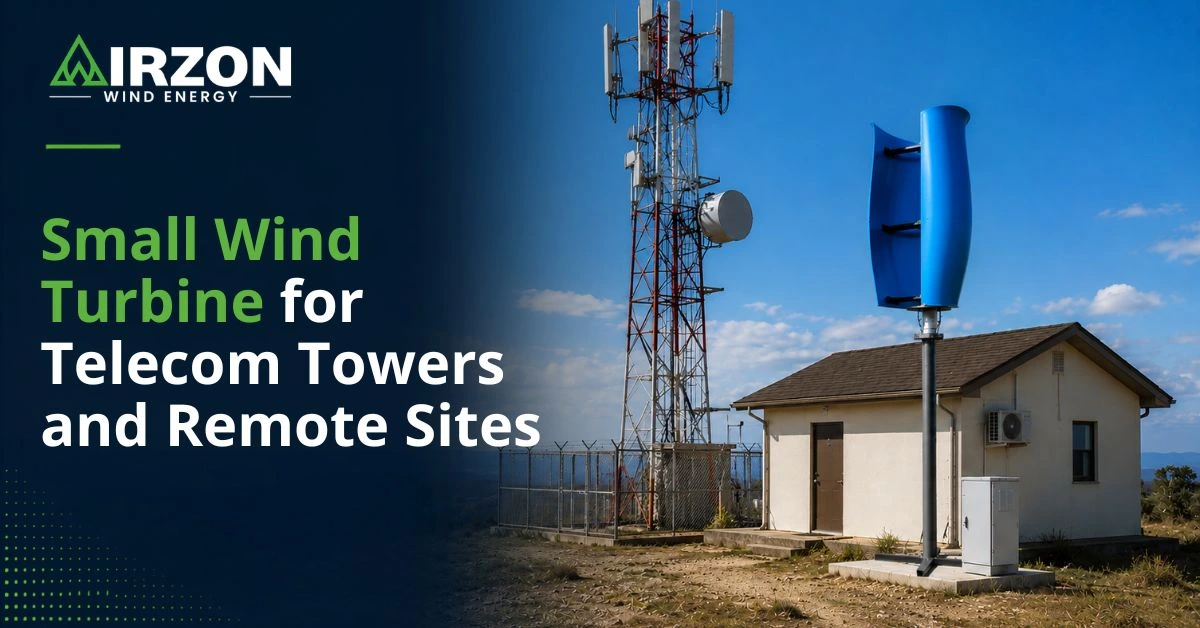
Reliable electricity is essential for telecom towers and remote sites where grid connectivity may be…
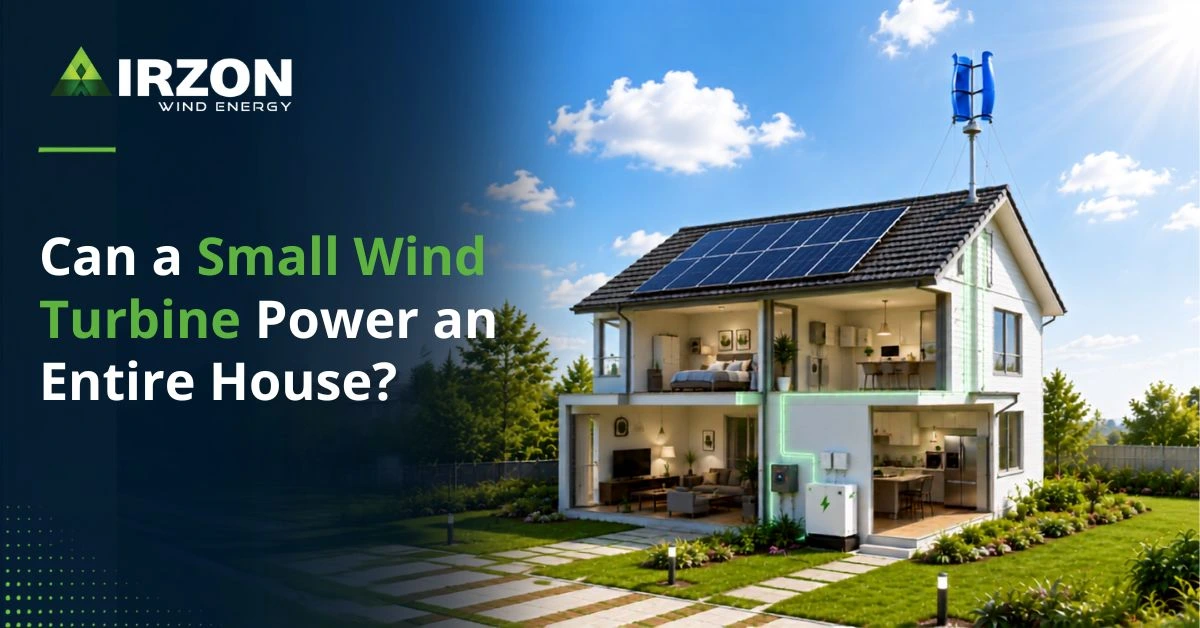
A small wind turbine can generate enough electricity to power an entire house, provided the system is correctly sized and installed in a location with consistent wind resources. While energy requirements vary between households, many residential applications use turbines in the 5 kW to 10 kW range to meet typical annual electricity consumption.
With rising energy costs and growing interest in sustainable living, many homeowners are considering renewable energy systems to reduce their dependence on conventional electricity. One of the most common questions is whether a small wind turbine can generate enough power to meet a home’s daily energy needs.
The answer is yes, under the right conditions. A properly sized and professionally installed system can produce a significant amount of electricity, especially in locations with consistent wind resources. However, achieving reliable performance requires careful planning, accurate site assessment, and selecting the right turbine for your energy requirements.
Factors That Determine Whether a Small Wind Turbine Can Power Your Home
Several factors influence whether a small wind turbine can reliably generate enough electricity for an entire household.
Local Wind Speed
Wind availability is one of the most important considerations. A small wind turbine performs best in locations with steady and consistent wind conditions. Areas with average wind speeds of around 9–12 mph (4.5–5.5 m/s) generally provide more favourable conditions for residential wind energy generation. Urban and densely built environments often experience turbulent airflow caused by surrounding buildings, which can reduce system efficiency.
Tower Height and Installation Site
Proper tower height is equally important. Installing the turbine above nearby obstacles allows it to access smoother and stronger wind currents. As a general guideline, the turbine should be positioned at least 30 feet above any obstacle within a 300-foot radius whenever site conditions and local regulations permit. A professional site assessment helps identify the most suitable installation location while considering zoning and structural requirements.
Household Energy Consumption
Every home has different energy requirements. Household size, appliances, heating and cooling systems, and daily electricity usage all affect how much energy a wind turbine must generate. Matching the turbine’s capacity to actual energy demand helps improve long-term performance.
Grid-Tied vs. Off-Grid Small Wind Turbine Systems
The way a small wind turbine is connected also affects its ability to power a home.
Grid-Tied System– remains connected to the local electricity network, allowing homeowners to use wind-generated electricity while drawing additional power from the grid when needed. Depending on local utility policies, excess electricity may also be exported back to the grid.
Off-Grid System– operates independently and typically requires a battery storage system to supply electricity during periods of low wind. Battery storage helps maintain a consistent power supply, making it an important component of standalone renewable energy systems.
Can a Hybrid Wind-Solar System Improve Home Energy Generation?
In many situations, combining wind and solar technologies can improve overall energy reliability. Wind and solar resources often complement each other, allowing electricity to be generated under different weather conditions.
A hybrid renewable energy system can offer benefits such as:
- More consistent energy production throughout the year
- Improved energy reliability
- Reduced dependence on conventional electricity
- Greater flexibility for residential energy needs
By integrating a small wind turbine with solar panels, homeowners can achieve a more balanced and dependable renewable energy solution, especially in locations where wind and sunlight vary across different seasons.
Want to find out if a small wind turbine can power your home? Contact us today to explore the right renewable energy solution for your property.
Benefits of Installing a Small Wind Turbine
Installing a small wind turbine offers several long-term advantages for homeowners.
- Generates clean, renewable electricity
- Helps reduce dependence on conventional power sources
- Supports long-term energy cost savings
- Lowers carbon emissions
- Promotes greater energy independence
- Contributes to a more sustainable future
With proper installation and regular maintenance, a small wind turbine can provide dependable renewable energy for many years.
Why Professional Assessment Is Essential
Every property has unique wind conditions, terrain, and energy requirements. Conducting a professional assessment before installation helps determine whether a small wind turbine is suitable for your location.
A comprehensive assessment typically considers:
- Average wind conditions
- Installation height
- Nearby obstacles
- Available installation space
- Household energy consumption
- Appropriate turbine capacity
- System configuration
This process helps ensure the selected system is designed to achieve reliable performance and long-term efficiency.
Why Choose Airzon Wind Energy?
Airzon Wind Energy designs advanced small wind turbine solutions for residential, commercial, industrial, and off-grid applications. Our team provides comprehensive support, from site consultation and system design to installation and technical assistance, ensuring every project is tailored to the customer’s energy needs.
With a strong focus on quality, innovation, and sustainability, Airzon Wind Energy helps homeowners adopt reliable renewable energy solutions that deliver long-term performance and environmental benefits.
Frequently Asked Questions
Yes. A small wind turbine can power an entire house when it is properly sized, installed in a location with suitable wind conditions, and matched to the home’s energy consumption.
Wind speed, tower height, installation location, turbine capacity, and household electricity usage all influence the performance of a small wind turbine.
No. Wind resources vary by location, making a professional site assessment important before investing in a wind energy system.
Battery storage is commonly used in off-grid systems to provide electricity during periods of low wind, while grid-tied systems typically rely on the utility network when needed.
Yes. A hybrid wind-solar system can improve energy reliability by generating electricity under different weather conditions throughout the year.
Conclusion
A small wind turbine has the potential to power an entire house when supported by suitable wind conditions, proper system sizing, and professional installation. Factors such as wind speed, tower height, site selection, and energy consumption all play a vital role in determining overall performance. By carefully evaluating these factors and selecting a well-designed renewable energy system, homeowners can enjoy reliable electricity generation, lower energy costs, and greater energy independence for years to come.
Related Posts