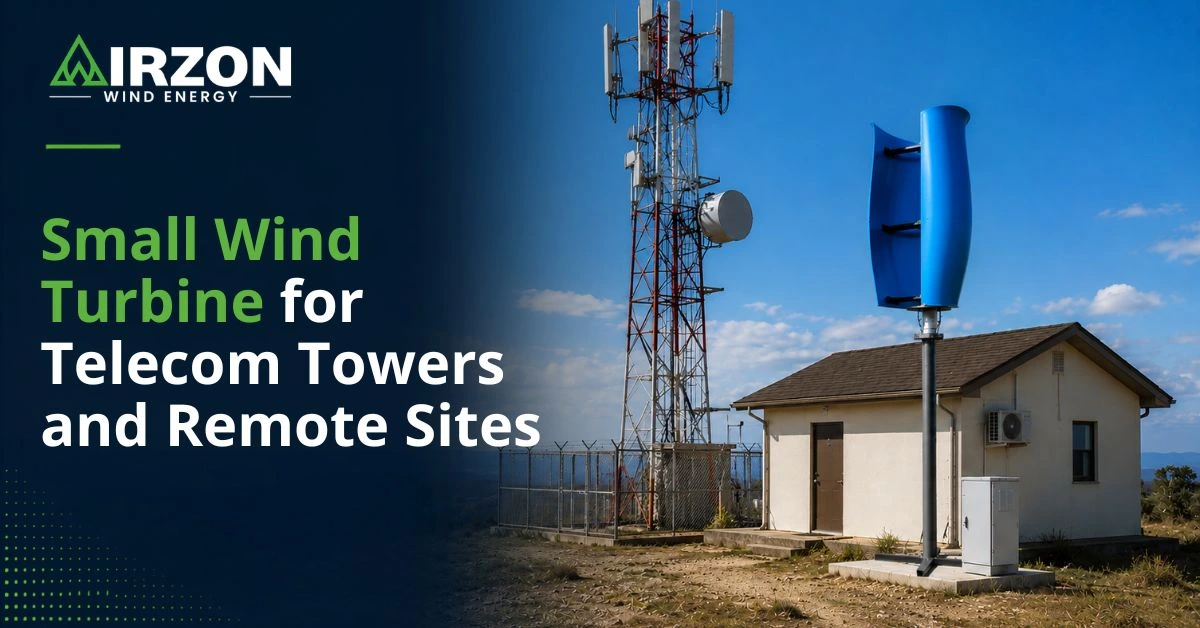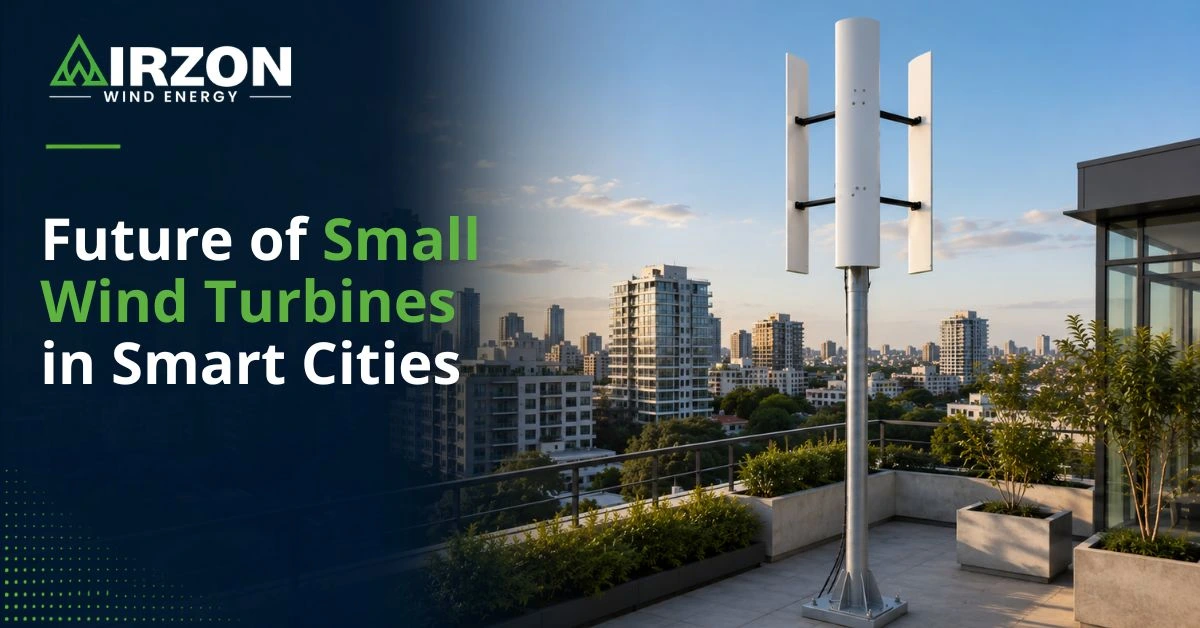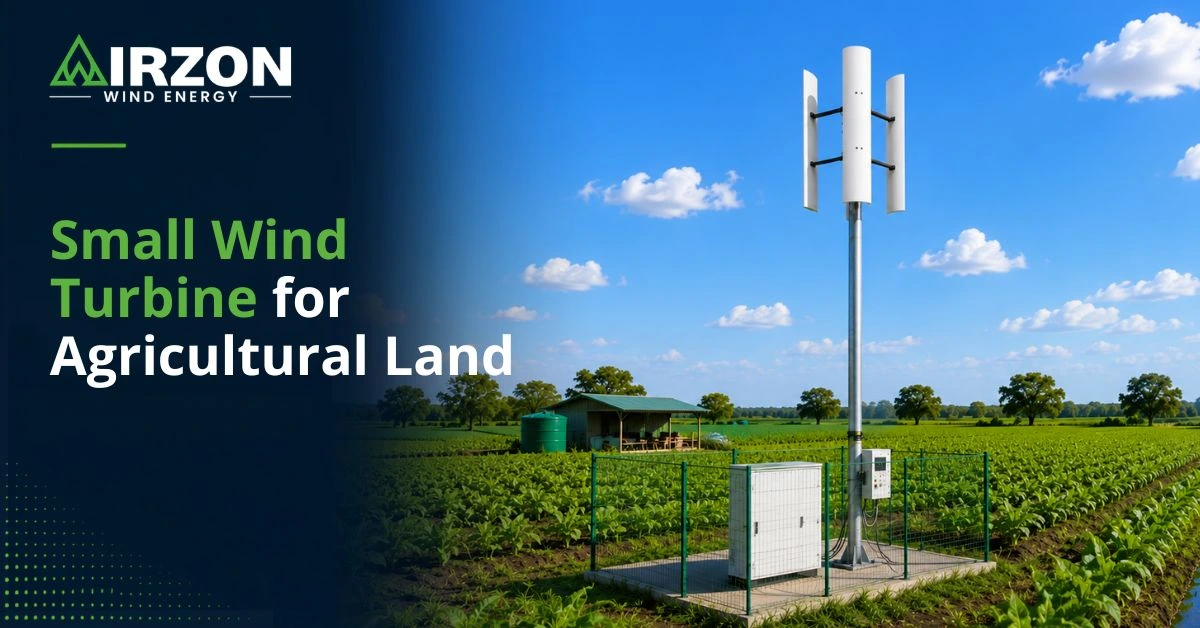
Reliable electricity is essential for telecom towers and remote sites where grid connectivity may be…

Investing in a small wind turbine delivers long-term financial and environmental benefits for homeowners looking to reduce electricity bills and adopt renewable power. Understanding ROI (Return on Investment) and payback period is essential before deciding to install a system. Here’s a detailed breakdown to help homeowners evaluate performance expectations and savings potential.
What Influences Small Wind Turbine ROI?
The ROI of a small wind turbine depends on several measurable factors, including installation cost, wind resource availability, and electricity price trends. Research shows that higher wind speeds lead to significantly greater energy generation, improving financial returns.
According to the U.S. Department of Energy, small wind systems can reduce electricity bills by 50–90% depending on site quality and turbine capacity.
Typical Payback Period for Small Wind Turbines
While results vary by location, most residential systems recover their investment over time through energy savings and incentives.
Studies indicate that the payback period ranges from 8 to 15 years for well-sited small wind turbines.
Since turbines typically last 20–25 years, homeowners benefit from years of nearly zero-cost electricity after breakeven.
How Airzon Wind Energy Helps Maximize ROI?
Airzon Wind Energy designs high-performance small wind turbines engineered for maximum efficiency even in low-to-moderate wind environments. Our advanced aerodynamic blade designs and optimized alternator technology increase power output and reduce long-term operating expenses, helping customers achieve faster payback.
We support customers through:
- Site assessment & wind resource evaluation
- Customized system sizing for required power output
- Optimized tower height & placement strategies
- Maintenance support for long-life performance
- Guidance on subsidies & net-metering policies (where applicable)
These steps directly improve reliability, power generation, and financial return.
Looking for a reliable home wind turbine system? Contact us for Get professional support and discover the most cost-efficient solution.
Calculating Payback for a Residential Small Wind Turbine
A simplified method to estimate the payback period:
Payback Period = Total Installed Cost ÷ Annual Electricity Savings
Annual savings depend on:
- Average annual wind speed
- Turbine capacity (kW)
- Local utility rate per kWh
- Net-metering (selling excess power back to grid)
Example: If a turbine saves ₹65,000/year and installation cost is ₹7,50,000, payback ≈ 11.5 years.
Frequently Asked Questions
Typically within 8–15 years, depending on how much power you use and the wind conditions where you live.
Key factors include local wind speed, turbine size, installation cost, electricity rate, and whether you can use surplus energy efficiently.
Yes — with good wind resources and a properly sized turbine, you can cut a major portion of your power bills and lower monthly expenses.
With regular maintenance, most small wind turbines last 20 to 25 years, giving many years of clean energy after payback.
Yes — turbines perform best when installed on a sufficiently tall, stable tower, ideally away from obstructions (trees, buildings) to capture steady wind.
Conclusion
A small wind turbine can be an excellent long-term investment when properly selected and installed. With expected ROI in 8–15 years and operational life of up to 25 years, homeowners benefit from reduced utility bills, energy independence, and a cleaner environmental footprint. Partnering with a trusted expert like Airzon Wind Energy ensures accurate planning, higher power efficiency, and maximum financial return.
Related Posts