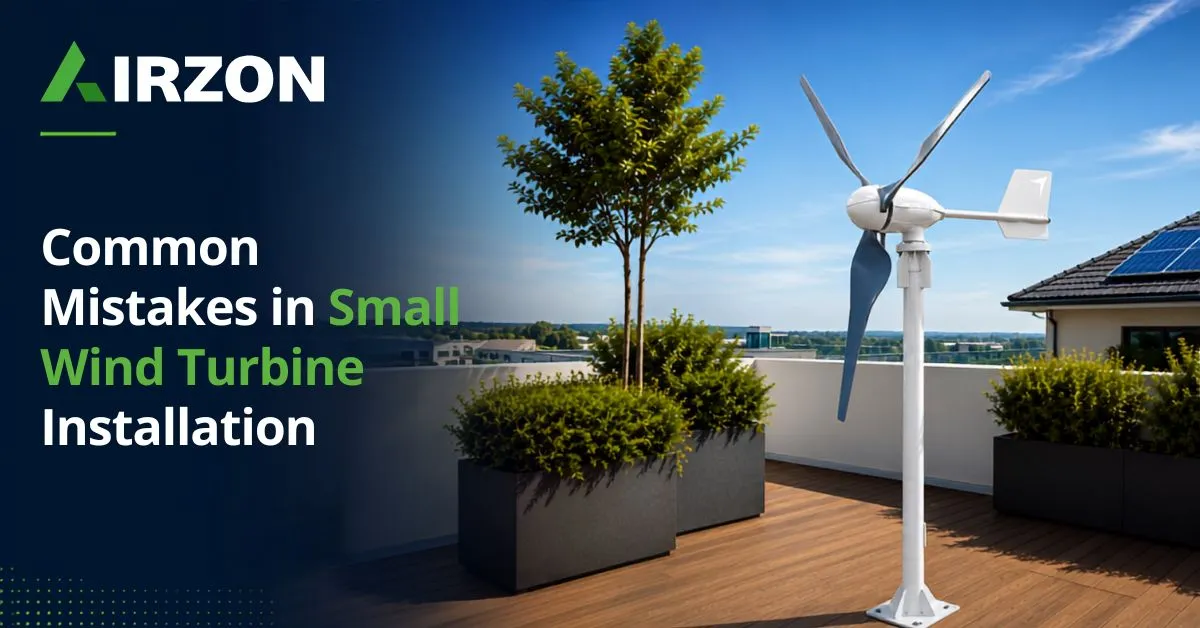
Areas with limited or inconsistent wind resources can still benefit from renewable wind energy when…

As renewable energy adoption grows worldwide, small wind turbines are becoming an efficient solution for homes, farms, and small businesses seeking sustainable electricity. However, one of the most important performance indicators when evaluating a small wind turbine system is the capacity factor. Understanding the capacity factor in small wind turbines helps users estimate actual energy production, compare turbine performance, and determine the long-term value of wind energy systems.
What Is Capacity Factor in Small Wind Turbines?
The capacity factor in small wind turbines refers to the ratio between the actual energy generated by the turbine over a period of time and the maximum possible energy it could produce if it operated at full rated capacity continuously.
In simple terms, capacity factor measures how efficiently a small wind turbine converts available wind into usable electricity over time.
Formula:
Capacity Factor =
Actual Energy Output ÷ Maximum Possible Energy Output
For example, if a small wind turbine with a rated capacity of 5 kW produces 7,300 kWh in one year, its capacity factor would be around 17%.
Why Capacity Factor Matters in Small Wind Turbines?
When investing in small wind turbines for home or farm use, many people focus only on the turbine’s rated power (kW). However, the capacity factor of a small wind turbine gives a more realistic estimate of how much energy it will generate.
Key reasons capacity factor is important:
- Determines actual energy production
- Helps estimate return on investment (ROI)
- Indicates wind resource quality at the site
- Helps compare different small wind turbine models
- Improves renewable energy planning
A higher capacity factor generally means better wind conditions and more efficient small wind turbine performance.
Typical Capacity Factor for Small Wind Turbines
The capacity factor of small wind turbines varies depending on wind speed, turbine design, and installation height.
| Wind Turbine Type | Typical Capacity Factor |
| Residential Small Wind Turbine | 10% – 20% |
| Farm / Rural Wind Turbine | 20% – 30% |
| Commercial Wind Turbine | 30% – 45% |
| Offshore Wind Turbine | 40% – 55% |
Most small wind turbines installed for home use operate with a capacity factor between 15% and 25% in good wind locations.
Want to maximize the efficiency of your Small Wind Turbine? Contact us for site assessment, system recommendations, and professional installation support.
Factors Affecting Capacity Factor in Small Wind Turbines
Several technical and environmental factors influence the capacity factor of a small wind turbine system.
1. Wind Speed at the Location
Wind speed is the most critical factor. Even a small increase in wind speed can significantly improve small wind turbine power output.
Ideal average wind speed:
4.5 m/s – 6.5 m/s or higher.
2. Tower Height
Wind speeds increase with height. Installing a small wind turbine on a taller tower allows it to access stronger and more consistent winds.
Typical tower heights include:
- 9 meters
- 12 meters
- 18 meters
- 24 meters
Higher towers often lead to a higher capacity factor.
3. Turbine Design and Blade Efficiency
Modern small wind turbines use aerodynamic blades and advanced generators to maximize energy production.
Important design factors include:
- Blade length and shape
- Generator efficiency
- Cut-in wind speed
- Pitch control technology
4. Site Conditions
Obstacles like buildings, trees, and hills can reduce wind flow and create turbulence.
To improve capacity factor in small wind turbines, installations should:
- Avoid obstructions
- Maintain proper clearance
- Use open and elevated locations
5. System Maintenance
Regular inspection and maintenance help ensure the small wind turbine operates efficiently over time.
Routine maintenance includes:
- Blade inspection
- Bolt tightening
- Electrical system checks
- Lubrication of moving parts
Well-maintained turbines maintain higher wind turbine efficiency and capacity factor.
How to Improve Capacity Factor in Small Wind Turbines?
Improving the capacity factor of a small wind turbine increases energy production and reduces payback time.
Best practices include:
- Conduct a professional wind site assessment
- Install turbines at optimal tower height
- Choose high-efficiency turbine models
- Avoid turbulence from obstacles
- Combine wind turbines with solar hybrid systems
Hybrid systems improve energy reliability by producing power from both wind and solar sources.
Capacity Factor vs Rated Power in Small Wind Turbines
Many buyers misunderstand the difference between rated power and capacity factor.
| Parameter | Meaning |
| Rated Power | Maximum output under ideal wind conditions |
| Capacity Factor | Average performance over time |
| Energy Production | Actual electricity generated annually |
This is why understanding capacity factor in small wind turbines is essential before purchasing a wind energy system.
Frequently Asked Questions
The capacity factor of a small wind turbine is the ratio of the actual electricity generated to the maximum possible output if the turbine operated at full capacity all the time. It helps measure the real performance of a wind energy system.
Most small wind turbines for home or farm use have a capacity factor between 15% and 25%, depending on wind speed, tower height, and site conditions.
You can improve small wind turbine capacity factor by installing the turbine at a higher tower height, selecting locations with stronger wind speeds, avoiding obstacles, and using high-efficiency turbine designs.
The capacity factor in small wind turbines helps determine how much electricity a turbine will generate over time, which is important for estimating energy savings and return on investment.
Yes. Higher and consistent wind speeds significantly increase the capacity factor of small wind turbines, resulting in greater energy production.
Conclusion
Understanding the capacity factor in small wind turbines is crucial for evaluating wind energy performance and planning renewable energy investments. While rated capacity indicates the maximum power output, the capacity factor determines the real-world electricity generation of a small wind turbine.
By choosing the right location, installing turbines at proper heights, and using efficient designs, users can significantly improve the capacity factor and overall efficiency of small wind turbine systems.
For homeowners, farms, and small businesses seeking sustainable energy, optimizing capacity factor ensures maximum return from a small wind turbine installation.
Related Posts