Areas with limited or inconsistent wind resources can still benefit from renewable wind energy when…
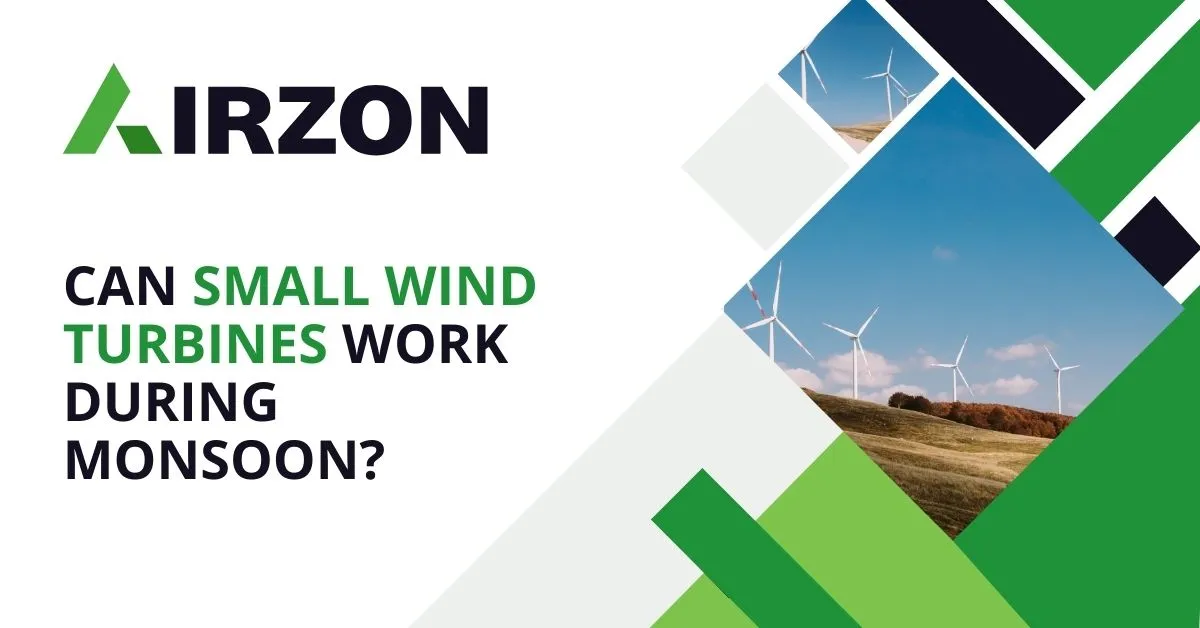
As renewable energy adoption increases, many homeowners, farmers, and businesses are considering installing a small wind turbine for clean electricity generation. A common question is whether a small wind turbine can work during monsoon or heavy rainy seasons. Since wind patterns change during monsoon months in many regions, understanding how small wind turbines perform during monsoon helps users plan reliable renewable energy systems.
Do Small Wind Turbines Work During Monsoon?
Yes, a small wind turbine can work during monsoon, and in many cases, performance can even improve. Monsoon seasons often bring stronger and more consistent wind speeds, which can increase wind turbine power output. Unlike solar panels that depend on sunlight, small wind turbines generate electricity from wind movement, allowing them to operate day and night, even during cloudy or rainy weather.
However, turbine performance during monsoon depends on several factors such as wind speed, installation height, turbine design, and maintenance.
Why Monsoon Can Be Beneficial for Small Wind Turbines?
During monsoon, atmospheric pressure changes and seasonal wind patterns often create higher wind speeds, which are ideal for wind power generation.
Key advantages of small wind turbines during monsoon:
- Increased wind turbine energy generation
- Continuous power generation even during cloudy days
- Improved capacity factor of small wind turbines
- Reliable renewable energy for rural and coastal areas
- Complementary performance with solar hybrid systems
This makes small wind turbines for homes and farms especially useful in regions with strong seasonal winds.
Factors Affecting Small Wind Turbine Performance in Monsoon
While monsoon winds can boost energy production, several factors influence how efficiently a small wind turbine operates during monsoon.
1. Wind Speed at the Installation Site
Higher wind speeds increase turbine rotation and electricity generation.
Typical wind speed ranges:
- Minimum required wind speed: 3–4 m/s
- Ideal wind speed: 5–8 m/s
Locations with stronger monsoon winds tend to produce higher wind energy output.
2. Tower Height
Wind speed increases with elevation. Installing a small wind turbine on a taller tower helps capture stronger winds above obstacles like trees and buildings.
Common tower heights include:
- 9 meters
- 12 meters
- 18 meters
- 24 meters
Higher towers often improve small wind turbine efficiency.
3. Turbine Design and Durability
Modern small wind turbines are designed to withstand heavy rain, strong winds, and extreme weather conditions.
Key design features include:
- Corrosion-resistant materials
- Waterproof electrical systems
- Aerodynamic blades
- Overspeed protection systems
These features ensure reliable wind turbine performance during monsoon seasons.
Planning to install a Small Wind Turbine for your location? Contact us for feasibility analysis, pricing, and professional installation support.
Small Wind Turbine vs Solar Power During Monsoon
| Parameter | Small Wind Turbine | Solar Panels |
| Energy Source | Wind | Sunlight |
| Performance During Monsoon | Often improves with strong winds | Decreases due to cloud cover |
| Power Generation Time | Day & night | Daytime only |
| Weather Dependency | Wind speed | Sunlight intensity |
| Ideal Combination | Wind-Solar Hybrid | Wind-Solar Hybrid |
Because solar output drops during cloudy weather, combining small wind turbines with solar panels creates a reliable hybrid renewable energy system.
Challenges of Small Wind Turbines During Monsoon
Despite the advantages, there are some challenges to consider.
Potential issues:
- Turbine overspeed during storms
- Lightning risk
- Corrosion in coastal regions
- Debris damage during heavy winds
Proper installation and safety systems help minimize these risks.
Safety Features for Small Wind Turbines in Monsoon
To ensure safe operation, modern small wind turbine systems include built-in safety mechanisms.
Important safety features:
- Automatic braking systems
- Overspeed protection
- Lightning protection
- Weather-resistant coatings
- Strong tower foundations
These technologies allow small wind turbines to operate safely even during heavy rain and storms.
Tips for Operating Small Wind Turbines During Monsoon
To maintain optimal small wind turbine performance, follow these best practices:
- Conduct regular maintenance inspections
- Ensure proper grounding for lightning protection
- Install turbines at sufficient tower height
- Avoid installing near large obstacles
- Check blade and electrical components periodically
Regular maintenance ensures long-term efficiency and reliability of small wind turbines.
Frequently Asked Questions
Yes, small wind turbines can operate during heavy rain, as electricity is generated from wind movement rather than sunlight.
In many regions, monsoon winds are stronger, which can increase small wind turbine power generation.
Modern small wind turbines include overspeed protection and braking systems to operate safely during strong winds.
High-quality small wind turbines are designed with waterproof and corrosion-resistant materials, making them suitable for rainy environments.
In extreme weather conditions, some turbines automatically activate safety mechanisms or braking systems to prevent damage.
Conclusion
A small wind turbine can work effectively during monsoon, and in many cases, wind speeds during rainy seasons actually improve energy production. With proper installation, tower height, and safety features, small wind turbines provide reliable renewable energy even during heavy rain and cloudy weather.
For homeowners, farms, and businesses seeking sustainable power solutions, combining small wind turbines with solar hybrid systems ensures continuous energy generation throughout the year.
Related Posts