Areas with limited or inconsistent wind resources can still benefit from renewable wind energy when…
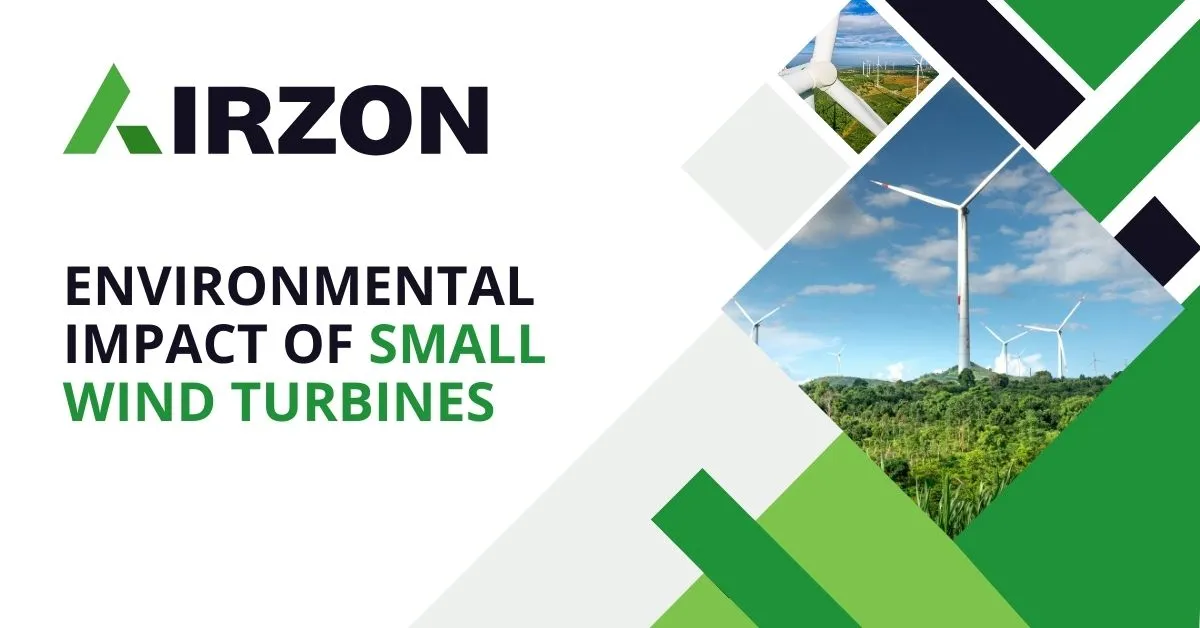
The global shift toward renewable energy has increased interest in sustainable power solutions that reduce environmental damage while meeting growing electricity demand. Renewable technologies such as wind energy are now widely adopted because they provide clean power without relying on fossil fuels. In this transition to sustainable energy, Small Wind Turbines are becoming an important solution for generating renewable electricity with minimal environmental impact.
Unlike traditional energy sources such as coal or natural gas, wind energy systems produce electricity without burning fuel or releasing harmful pollutants. This means the Small Wind Turbines help reduce greenhouse gas emissions and air pollution while supporting long-term environmental sustainability. However, like any energy technology, wind systems also have certain environmental considerations that must be managed carefully. Understanding both the positive and negative environmental effects helps ensure responsible renewable energy development.
What is a Small Wind Turbine?
Renewable energy technologies are designed to capture natural resources and convert them into electricity without harming the environment. A Small Wind Turbines system is a compact wind energy device designed to generate electricity for homes, farms, and off-grid locations using natural wind resources.
These systems typically consist of blades, a rotor, a generator, and a tower. When wind flows over the blades, it causes them to rotate, which drives the generator to produce electricity. Because the wind is a naturally replenishing resource, Small Wind Turbines provide a sustainable method of electricity generation that does not rely on fossil fuels.
Common uses include:
- Residential renewable energy systems
- Agricultural energy production
- Remote and off-grid power supply
- Hybrid renewable systems with solar panels
These applications make wind energy a flexible and environmentally friendly power solution.
How Small Wind Turbines Generate Clean Energy?
Wind energy technology converts the kinetic energy of moving air into electrical energy. When wind rotates turbine blades, mechanical energy is transferred to a generator that produces electricity. During this process, Small Wind Turbines generate electricity without releasing pollutants into the atmosphere, making them one of the cleanest renewable energy sources.
Unlike fossil fuel power plants, wind turbines do not require fuel extraction, transportation, or combustion. As a result, Small Wind Turbines significantly reduce carbon emissions and contribute to cleaner air and lower environmental pollution. In addition, wind power systems require very little water for operation, which helps conserve natural resources.
Positive Environmental Impact of Small Wind Turbines
Renewable energy systems offer several environmental advantages compared to traditional electricity generation methods. By replacing fossil fuel energy sources, Small Wind Turbines help reduce environmental damage while promoting clean and sustainable energy production.
Reduced Carbon Emissions
Greenhouse gases released from fossil fuel power plants contribute significantly to climate change and global warming. Coal, oil, and natural gas power plants release large amounts of carbon dioxide and other harmful gases into the atmosphere. Wind energy systems provide a cleaner alternative because they generate electricity without burning fuel. Studies show that wind power produces extremely low lifecycle emissions—around 0.02 to 0.04 pounds of CO₂ equivalent per kilowatt-hour. Because of this, Small Wind Turbines help slow global warming by reducing dependence on fossil fuel-based electricity generation.
- Lower greenhouse gas emissions: Wind energy produces electricity without releasing carbon dioxide.
- Reduced climate change impact: Cleaner energy reduces global warming effects.
- Minimal lifecycle emissions: Wind turbines generate extremely low emissions during operation.
- Cleaner energy production: Electricity is generated without combustion processes.
Reduced Air Pollution
Air pollution from coal and oil power plants releases harmful gases such as sulfur dioxide, nitrogen oxides, and particulate matter into the atmosphere. These pollutants contribute to respiratory diseases, environmental degradation, and acid rain. Since wind turbines generate electricity using natural wind, Small Wind Turbines help reduce harmful air pollutants and improve overall air quality.
- Reduced sulfur dioxide emissions: Helps prevent acid rain and air pollution.
- Lower nitrogen oxide levels: Reduces smog and atmospheric pollution.
- Improved air quality: Cleaner air benefits both humans and wildlife.
- Health benefits: Lower pollution reduces respiratory and cardiovascular risks.
Cleaner air supports healthier ecosystems and improved public health.
Sustainable Power Generation
Wind energy is considered a renewable resource because wind is naturally replenished through atmospheric processes driven by solar energy and temperature differences. Unlike fossil fuels, wind energy does not require extraction or depletion of natural resources. This means Small Wind Turbines provide long-term sustainable electricity generation without exhausting environmental resources.
- Unlimited energy source: Wind is naturally replenished and renewable.
- Long operational lifespan: Turbines can operate efficiently for 20–25 years.
- Low environmental footprint: Minimal land disturbance during operation.
- Support for renewable energy transition: Helps replace fossil fuel power generation.
As a renewable technology, wind power plays a vital role in sustainable energy systems.
Reduced Fossil Fuel Dependency
Traditional power generation relies heavily on fossil fuels such as coal, oil, and natural gas. Extracting and transporting these fuels can damage ecosystems, pollute water sources, and increase greenhouse gas emissions. Renewable energy eliminates the need for fuel extraction, and Small Wind Turbines help reduce dependence on fossil fuels while supporting cleaner and more sustainable energy systems.
- Reduced mining and drilling activities
- Lower environmental damage from fuel extraction
- Decreased fuel transportation emissions
- Improved national and local energy security
By generating electricity from wind resources, communities can reduce reliance on non-renewable energy sources.
Support for Climate Goals
Many governments and international organizations have established climate targets to reduce greenhouse gas emissions and combat climate change. Renewable energy technologies play a crucial role in achieving these goals. By generating clean electricity, Small Wind Turbines help support global climate initiatives and environmental sustainability commitments.
- Reduction of national carbon emissions
- Support for renewable energy policies
- Contribution to international climate agreements
- Promotion of sustainable development goals
For example, wind energy in Europe alone helped avoid approximately 142 million tonnes of CO₂ emissions in 2024, demonstrating the significant environmental benefits of renewable wind power.
Wind Energy vs Fossil Fuels
Understanding how renewable energy compares to conventional power sources highlights its environmental advantages.
| Energy Source | Carbon Emissions | Environmental Impact |
| Coal | Very High | Severe pollution |
| Natural Gas | High | Moderate pollution |
| Solar | Very Low | Minimal impact |
| Small Wind Turbines | Very Low | Clean renewable energy |
This comparison shows why renewable energy systems are essential for sustainable development.
Small Wind Turbine Carbon Footprint
Every energy technology has a carbon footprint related to manufacturing, transportation, and installation. However, the emissions from wind energy are significantly lower than fossil fuels. In fact, Small Wind Turbines usually offset their entire carbon footprint within the first few months of operation.
After that point, they generate electricity with almost zero emissions for the rest of their lifespan.
Wildlife and Ecosystem Impact
Although wind energy is environmentally friendly, it can sometimes affect wildlife populations. Research shows that wind turbines may impact birds and bats through collisions or habitat changes.
However, studies also indicate that the overall wildlife impact of wind turbines is significantly lower than that of fossil fuel power plants.
Modern mitigation strategies help reduce these impacts, including:
- Careful site selection
- Wildlife monitoring systems
- Smart turbine shutdown during migration periods
- Improved blade design
These measures ensure that Small Wind Turbines operate safely while protecting local ecosystems.
Ready to reduce carbon emissions and switch to renewable energy?
Contact us now to learn how a Small Wind Turbine can power your property.
Noise and Visual Impact
Wind turbines generate sound from mechanical components and blade movement. Although modern designs have reduced noise levels significantly, nearby communities may still notice turbine sound. At around 300 meters distance, turbine noise is typically about 45 decibels, which is comparable to household appliances.
Proper placement and improved engineering help minimize these effects, ensuring that Small Wind Turbines operate with minimal disturbance to surrounding environments.
Land Use and Environmental Efficiency
Wind energy systems require relatively small physical footprints compared to other power plants. While turbines may occupy open land, most of the surrounding area can still be used for agriculture, grazing, or other activities.
Because of this, Small Wind Turbines allow multiple land uses while generating renewable electricity, making them ideal for rural and agricultural areas.
Environmental Pros of Small Wind Turbines
| Environmental Benefits | Environmental Challenges |
| Clean renewable energy | Wildlife interactions |
| Low carbon emissions | Visual impact |
| Reduced air pollution | Noise concerns |
| Sustainable energy source | Site selection requirements |
Best Practices for Environmentally Friendly Wind Turbine Installation
Responsible installation plays a major role in minimizing environmental impacts. Proper planning ensures that Small Wind Turbines generate clean electricity while protecting local ecosystems and communities.
Best practices include:
- Conducting environmental impact assessments
- Selecting locations away from wildlife migration routes
- Installing turbines at appropriate distances from homes
- Using modern noise-reduction technologies
These steps help ensure responsible renewable energy development.
Frequently Asked Questions
The environmental impact of Small Wind Turbines is generally low because they produce electricity without burning fossil fuels or releasing air pollutants.
Yes, Small Wind Turbines are considered environmentally friendly because they generate renewable electricity with minimal carbon emissions.
Small Wind Turbines may affect birds or bats in some cases, but proper placement and modern technology help reduce these impacts significantly.
Small Wind Turbines generate electricity without burning fossil fuels, which reduces greenhouse gas emissions and air pollution.
Yes, Small Wind Turbines use renewable wind resources and provide clean electricity for many years, making them a sustainable energy solution.
Conclusion
Renewable energy technologies are essential for reducing environmental damage and combating climate change. Wind energy is one of the most promising solutions because it provides clean electricity without harmful emissions. By replacing fossil fuel power sources, Small Wind Turbines help reduce carbon pollution, conserve natural resources, and promote sustainable energy development.
Related Posts