Areas with limited or inconsistent wind resources can still benefit from renewable wind energy when…
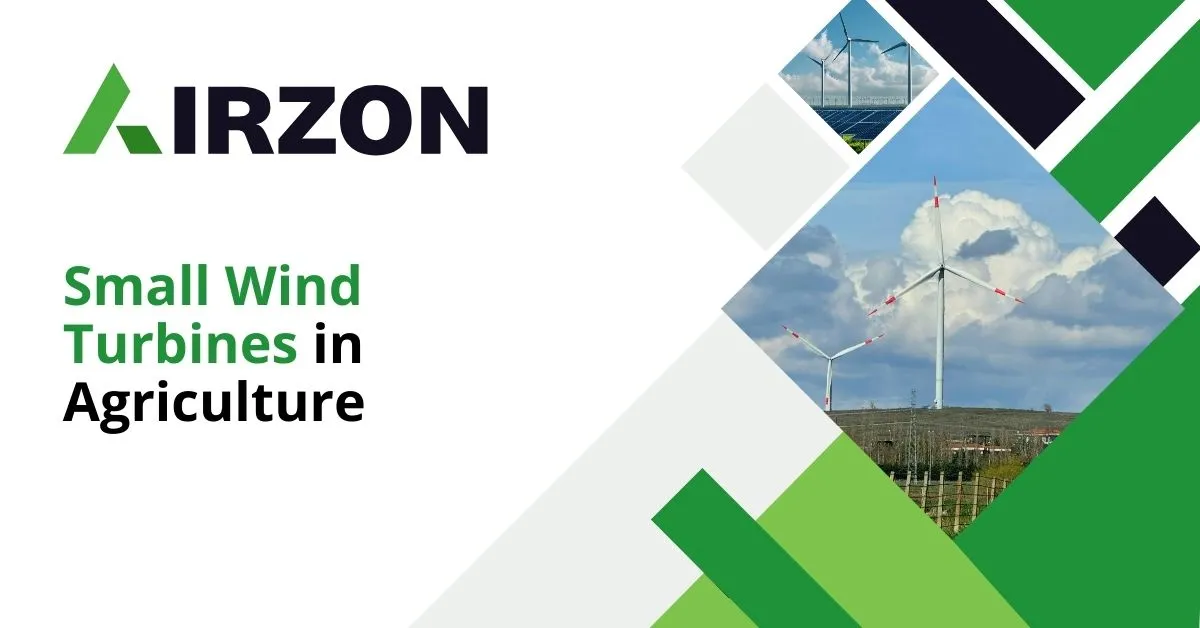
Rising electricity prices and increasing fuel costs are major challenges for farmers worldwide. Agricultural operations require consistent power for irrigation, livestock management, cold storage, and processing equipment. To reduce operating costs and improve sustainability, many farmers are turning to renewable energy solutions. In this transition toward clean energy, Small Wind Turbine systems are becoming a reliable and cost-effective power source for agricultural applications.
Open farmland often provides ideal wind conditions, making wind energy a practical solution for rural and agricultural areas. By generating electricity directly on-site, Small Wind Turbine installations help farmers reduce dependency on grid power and diesel generators while improving long-term energy savings. This guide explains how wind energy supports agriculture, key applications, costs, benefits, and how to choose the right system for farm operations.
Why Small Wind Turbine Systems Are Ideal for Agriculture?
Farms typically have large open spaces with consistent wind flow, creating suitable conditions for wind energy generation. Because agricultural operations consume significant electricity, installing renewable systems can greatly reduce operating costs. In many rural areas, Small Wind Turbine installations provide reliable electricity where grid access is limited or unstable.
Energy independence is another major advantage. Farmers can generate their own electricity instead of relying solely on utility providers. Over time, this reduces long-term expenses and protects against rising energy costs. Additionally, wind energy contributes to sustainable farming practices by lowering carbon emissions and reducing fossil fuel consumption.
How Small Wind Turbine Systems Work on Farms?
Wind energy systems operate by converting the kinetic energy of moving air into usable electrical power. As wind rotates the turbine blades, mechanical motion drives a generator that produces electricity. In agricultural environments, Small Wind Turbine systems can be integrated with battery storage systems, irrigation networks, livestock buildings, processing equipment, and even hybrid renewable setups.
Farm-based wind systems may operate in different configurations:
- Off-grid systems with battery storage
- Grid-connected systems for net metering
- Hybrid systems combined with solar panels
Hybrid systems are particularly beneficial because solar panels generate electricity during sunny hours, while wind energy may be available at night or during cloudy and stormy weather. This combination ensures consistent and reliable power supply throughout the year.
Applications of Small Wind Turbine Systems in Agriculture
Agricultural energy demand varies depending on farm size and operations. Renewable energy can support multiple farm activities, and in many cases, Small Wind Turbine installations provide sufficient power for essential agricultural equipment and infrastructure.
Irrigation Systems
Irrigation pumps require consistent power, especially in large farming operations. Diesel-powered pumps can be expensive and environmentally harmful. By replacing or supplementing fuel-powered systems, Small Wind Turbine solutions can power irrigation pumps efficiently and reduce fuel expenses significantly.
Benefits include:
- Lower fuel costs
- Continuous water supply
- Reduced environmental impact
Livestock Farms
Livestock farms require electricity for lighting, ventilation, heating systems, and automated feeding equipment. Reliable energy ensures animal comfort and productivity, and installing a Small Wind Turbine helps maintain consistent power for essential livestock operations even in remote rural areas.
- Lower electricity costs
- Reduced dependence on diesel generators
- Improved animal comfort and farm efficiency
- Sustainable and environmentally friendly energy source
Cold Storage and Dairy Units
Cold storage facilities preserve crops, dairy products, and perishable goods. These systems consume high amounts of electricity. Renewable energy integration allows farms to operate refrigeration units efficiently, and a Small Wind Turbine can significantly reduce electricity expenses for cold storage facilities.
- Reduced operational costs
- Continuous cooling during peak seasons
- Lower environmental impact
- Protection from fluctuating electricity prices
Grain Processing and Farm Equipment
Grain mills, processing machines, and small-scale farm equipment require steady electricity. By installing renewable systems, farmers can reduce reliance on conventional energy sources, and a Small Wind Turbine can support processing operations while improving farm productivity.
- Reduced fuel consumption
- Improved processing efficiency
- Lower production costs
- Greater energy independence
Rural Electrification
In remote rural locations, access to reliable grid electricity may be limited. Wind energy provides an independent power source, and a Small Wind Turbine can supply electricity for farmhouses, storage units, and agricultural infrastructure in off-grid areas.
- Reliable power in remote locations
- Reduced reliance on diesel generators
- Lower long-term energy expenses
- Sustainable rural development
Farm Energy Usage and Wind Turbine Support
Understanding farm energy requirements helps determine appropriate system size. Below is a simplified energy support comparison showing how a Small Wind Turbine can match agricultural electricity needs.
| Farm Application | Energy Requirement | Recommended Capacity |
| Irrigation Pump | 2–5 kW | 3–5 kW System |
| Livestock Farm | 1–3 kW | 2–3 kW System |
| Cold Storage | 5–10 kW | 5–10 kW System |
| Farmhouse | 1–2 kW | 1–3 kW System |
Actual system size depends on wind speed and farm energy demand.
Benefits of Small Wind Turbine Systems in Agriculture
Farmers benefit significantly from renewable energy adoption. Long-term financial savings and sustainability improvements make wind energy attractive, and installing a Small Wind Turbine offers both economic and environmental advantages for agricultural operations.
Reduced Electricity Bills
Electricity costs can fluctuate due to seasonal demand and rising utility rates. By generating power independently, farmers can significantly reduce monthly energy expenses. A Small Wind Turbine lowers dependency on grid electricity and provides stable, predictable energy costs over many years. This is especially beneficial for farms operating irrigation systems or cold storage units that consume large amounts of power.
Lower Diesel Fuel Expenses
Many farms rely on diesel generators to power irrigation pumps and equipment in areas with unreliable grid supply. Diesel fuel costs can be high and subject to market fluctuations. Replacing or supplementing diesel systems with renewable energy ensures that a Small Wind Turbine reduces fuel consumption and decreases long-term operating expenses significantly.
Additional advantages include:
- Reduced fuel transportation and storage
- Lower generator maintenance costs
- Decreased environmental pollution
Increased Energy Independence
Energy independence is critical for agricultural operations, particularly in rural regions where power outages may occur frequently. Generating electricity on-site ensures uninterrupted farm operations. By installing renewable systems, a Small Wind Turbine provides farmers with greater control over their energy supply and protects them from grid instability.
Energy independence improves:
- Operational reliability
- Productivity during peak seasons
- Long-term planning confidence
Sustainable Farming Practices
Modern consumers increasingly value environmentally responsible agricultural production. Renewable energy adoption enhances farm sustainability and supports green certification programs. By integrating wind energy, a Small Wind Turbine helps reduce greenhouse gas emissions and supports environmentally conscious farming practices.
Sustainability benefits include:
- Reduced carbon footprint
- Cleaner air quality
- Lower environmental impact
- Alignment with climate-friendly policies
Long System Lifespan (15–25 Years)
Wind energy systems are built for durability and long-term performance. With proper maintenance, renewable installations can operate efficiently for decades. Investing in a Small Wind Turbine provides farmers with a long-lasting energy solution that continues delivering savings over 15 to 25 years.
This long lifespan improves return on investment and reduces the need for frequent replacements.
Reduced Carbon Emissions
Agriculture contributes to global emissions through fuel use and energy consumption. By switching to renewable sources, farms can reduce their environmental impact. Installing a Small Wind Turbine decreases reliance on fossil fuels and significantly lowers carbon emissions over the system’s lifetime.
Lower emissions support:
- Sustainable rural development
- Compliance with environmental regulations
- Improved farm reputation
Improved Farm Profitability
Over time, reduced electricity bills, lower fuel expenses, and stable energy supply directly improve farm profitability. Renewable energy investments increase financial resilience and reduce operational uncertainty. By integrating wind energy systems, a Small Wind Turbine contributes to long-term cost savings, higher productivity, and improved financial performance for agricultural operations.
In summary, renewable energy adoption offers economic security, operational stability, and environmental responsibility. These combined benefits make wind energy a strategic investment for modern agriculture seeking sustainable growth and long-term success.
Ready to reduce farm electricity costs with reliable renewable energy?
Contact us today to explore the right Small Wind Turbine solution for your farm.
Cost of Small Wind Turbine Systems for Farms
Initial installation costs vary depending on system capacity, tower height, and site conditions. Although upfront investment may seem high, long-term savings are significant because a Small Wind Turbine reduces ongoing energy expenses and provides return on investment over several years.
Factors affecting cost include:
- System size (kW capacity)
- Installation complexity
- Tower height
- Battery storage integration
Many systems achieve payback within 5 to 8 years, depending on wind availability and energy consumption.
Challenges of Using Small Wind Turbine Systems in Agriculture
While renewable energy offers many benefits, certain challenges must be considered. Performance depends on wind conditions, and proper planning ensures optimal results. A Small Wind Turbine requires adequate wind speed and proper installation to deliver maximum electricity output.
Initial Investment Cost
The upfront cost of purchasing and installing renewable energy equipment can be significant. Expenses include turbine equipment, tower structure, foundation work, wiring, and possible battery storage integration. While long-term savings are substantial, farmers must evaluate budget planning carefully because a Small Wind Turbine involves initial capital investment before delivering financial returns through reduced energy expenses. However, many regions offer renewable energy incentives, subsidies, or financing programs that help reduce initial financial burden.
Wind Speed Variability
Wind energy production depends entirely on wind conditions. Seasonal variations and unpredictable weather patterns can affect electricity generation. Although farmland typically offers good wind exposure, performance may fluctuate because a Small Wind Turbine generates electricity based on available wind speed and local environmental conditions. Conducting a professional wind resource assessment before installation helps determine average wind speeds and system feasibility.
Maintenance Requirements
Wind systems operate in outdoor environments and are exposed to dust, moisture, temperature changes, and strong weather conditions. Regular inspection is necessary to maintain efficiency and durability. Without proper care, mechanical wear may reduce performance, and a Small Wind Turbine requires periodic blade inspection, electrical checks, and lubrication to ensure long-term reliable operation. Routine maintenance helps prevent costly repairs and extends system lifespan.
Local Installation Regulations
Installation regulations may vary depending on location. Some regions require permits, height approvals, or compliance with local zoning laws. Farmers must consider these requirements before installation because a Small Wind Turbine may be subject to local building codes, environmental regulations, and safety standards. Consulting with local authorities ensures smooth approval and avoids project delays.
Space and Tower Height Considerations
Although farms typically have open land, proper placement is essential to avoid turbulence caused by trees, buildings, or other obstacles. Optimal performance depends on correct tower height and positioning, and installing a Small Wind Turbine at insufficient height may reduce energy generation efficiency significantly. Proper site selection maximizes wind capture and improves electricity output.
Technical Expertise and Monitoring
Wind energy systems require basic technical understanding for monitoring and troubleshooting. Farmers may need professional assistance for installation and occasional maintenance. Ensuring that a Small Wind Turbine is installed and maintained by qualified technicians helps prevent operational inefficiencies and safety issues. Modern monitoring systems can simplify performance tracking and improve system management.
Importance of Wind Resource Assessment
Before installation, evaluating wind conditions is essential. Measuring average wind speed, seasonal patterns, and turbulence levels helps determine feasibility. A detailed assessment ensures that a Small Wind Turbine will operate efficiently and deliver expected energy output under real farm conditions. Proper planning reduces performance risks and ensures maximum return on investment.
Small Wind Turbine vs Solar Panels for Farms
Many farms consider both wind and solar energy options. Each system has unique benefits, and in many cases, combining both technologies improves reliability. When comparing renewable options, a Small Wind Turbine provides electricity even during nighttime or cloudy weather when solar output decreases.
| Feature | Wind System | Solar System |
| Works at Night | Yes | No |
| Weather Dependent | Wind | Sunlight |
| Suitable for Open Land | Yes | Yes |
| Hybrid Compatible | Yes | Yes |
Hybrid systems offer maximum reliability.
How to Choose the Right Small Wind Turbine for Agriculture?
Selecting the correct system size and design is crucial for performance and efficiency. Before installation, farmers should analyze energy consumption and wind conditions, ensuring that a Small Wind Turbine matches farm electricity requirements and local wind speed availability.
Key considerations:
- Average wind speed
- Farm energy demand
- Tower height
- Battery storage needs
- Hybrid integration
Professional site assessment improves decision-making.
Maintenance Tips for Agricultural Wind Systems
Regular maintenance ensures long-term reliability and efficiency. Preventive care minimizes downtime and repair costs, helping ensure that a Small Wind Turbine continues operating efficiently under agricultural environmental conditions.
Inspecting Blades
Wind turbine blades are continuously exposed to environmental elements such as dust, rain, and debris. Over time, minor cracks, erosion, or imbalance may develop. Regular inspection ensures that the Small Wind Turbine blades remain in good condition and operate smoothly for optimal wind energy capture.
Blade maintenance should include:
- Checking for cracks or visible damage
- Cleaning dirt and debris buildup
- Ensuring proper alignment
- Inspecting for signs of wear or imbalance
Well-maintained blades improve efficiency and reduce vibration.
Checking Electrical Connections
Electrical systems are critical for safe and reliable power transmission. Loose wiring, corrosion, or damaged cables may reduce efficiency or create safety risks. Routine electrical checks ensure that a Small Wind Turbine delivers stable power output without interruption caused by faulty connections.
Electrical maintenance should include:
- Inspecting wiring for damage or wear
- Tightening loose terminals
- Checking grounding systems
- Verifying controller functionality
Proper electrical inspection reduces the risk of power loss and system failure.
Lubricating Moving Parts
Wind turbines include moving mechanical components such as bearings and rotating shafts. Without proper lubrication, friction can increase, leading to overheating or premature wear. Applying lubricant as recommended ensures that a Small Wind Turbine operates smoothly and maintains mechanical efficiency over time.
Mechanical maintenance includes:
- Lubricating bearings
- Checking bolt tightness
- Inspecting rotating parts for wear
- Ensuring proper alignment
Reduced friction enhances system durability and performance.
Monitoring System Performance
Performance monitoring helps identify efficiency changes and detect early signs of malfunction. Modern systems often include monitoring tools that track energy production and system status. Regular monitoring ensures that a Small Wind Turbine maintains expected electricity output levels and operates within safe performance parameters.
Monitoring practices include:
- Tracking daily and monthly energy generation
- Checking for unusual noise or vibration
- Observing charging performance (if battery connected)
- Reviewing controller alerts
Consistent monitoring improves operational reliability.
Seasonal Inspection and Preventive Maintenance
Agricultural wind systems may face seasonal weather variations, including strong winds, storms, or extreme temperatures. Conducting seasonal inspections ensures that a Small Wind Turbine remains protected against weather-related damage and continues performing efficiently throughout the year.
Seasonal maintenance may include:
- Inspecting tower stability
- Checking protective coatings for corrosion
- Ensuring proper drainage around foundation
- Evaluating lightning protection systems
Routine seasonal care enhances safety and long-term durability.
Environmental Impact of Small Wind Turbine Systems in Agriculture
Sustainable farming practices are becoming increasingly important worldwide. Renewable energy reduces environmental impact and supports climate-friendly agriculture, and installing a Small Wind Turbine helps lower greenhouse gas emissions while promoting clean energy generation.
Environmental benefits include:
- Reduced fossil fuel consumption
- Lower carbon footprint
- Sustainable energy production
- Improved rural sustainability
Wind energy aligns with modern eco-friendly farming goals.
Frequently Asked Questions
Small wind turbines help farmers reduce electricity costs, power irrigation systems, and provide renewable energy for agricultural operations.
Yes, under suitable wind conditions, a Small Wind Turbine can generate sufficient electricity to operate irrigation pumps efficiently.
Costs vary depending on system size and installation, but long-term savings make a Small Wind Turbine a cost-effective investment for farms.
Yes, rural farms with open land and consistent wind conditions are ideal for installing a Small Wind Turbine.
Most farms require systems between 2 kW and 10 kW, depending on energy consumption and wind availability.
Conclusion
Renewable energy is transforming modern agriculture by providing cost-effective and sustainable electricity solutions. With open land and consistent wind flow, farms are ideal locations for wind energy systems. Installing a Small Wind Turbine helps reduce operational costs, improve energy independence, and support environmentally responsible farming practices. By understanding applications, costs, benefits, and maintenance requirements, farmers can make informed decisions and successfully integrate renewable energy into agricultural operations.
Related Posts