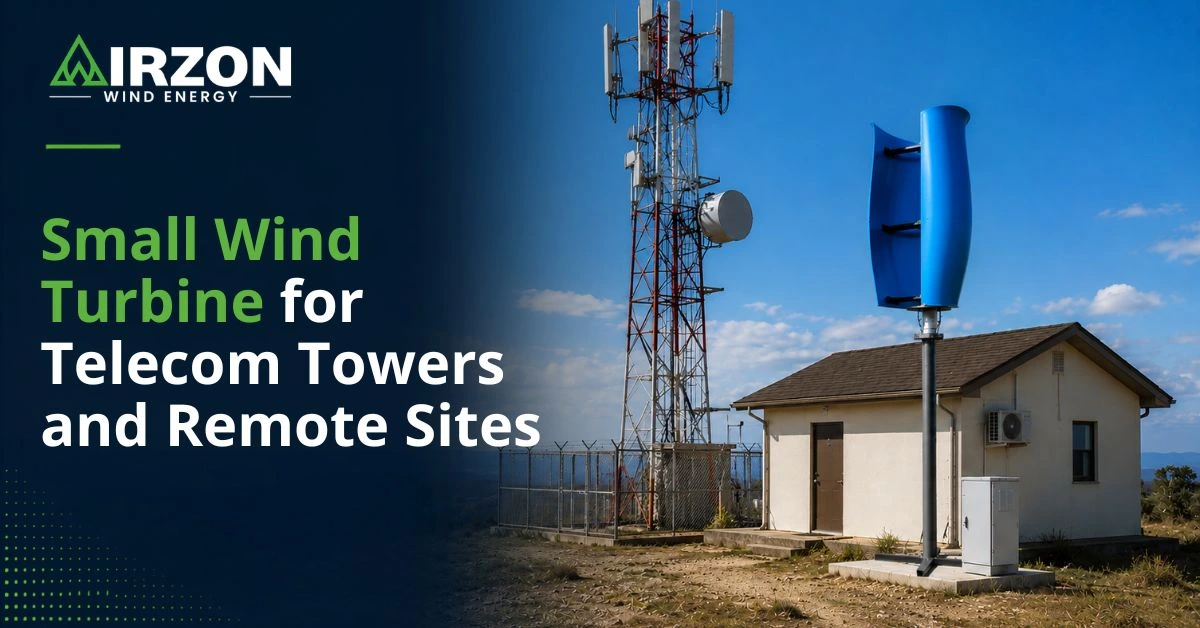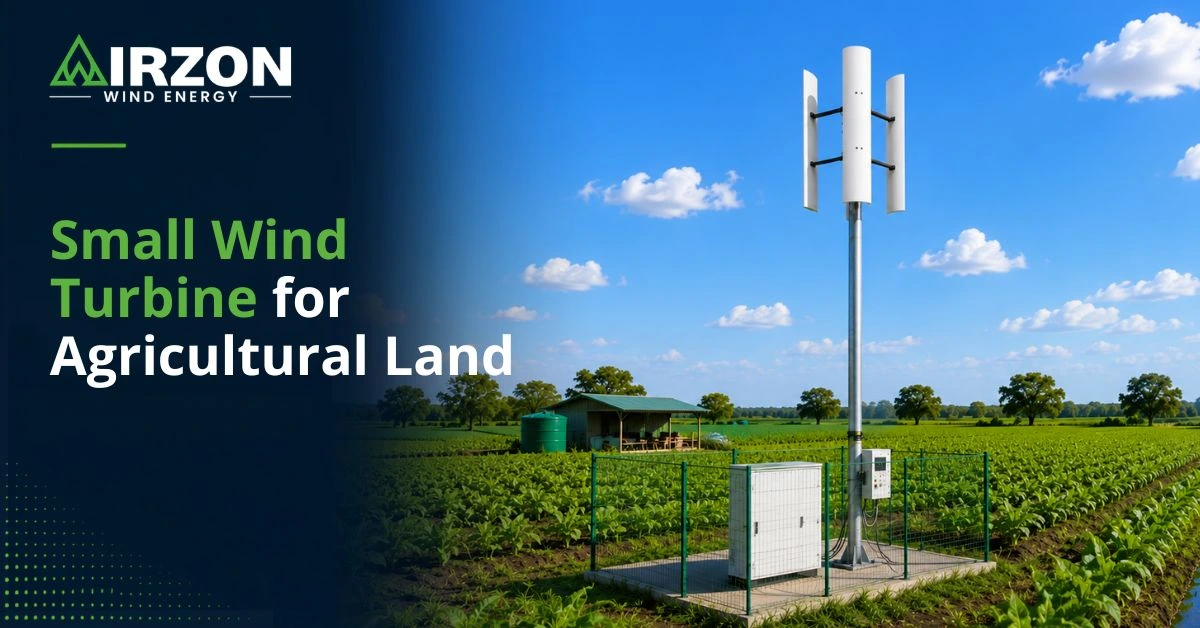
Reliable electricity is essential for telecom towers and remote sites where grid connectivity may be…
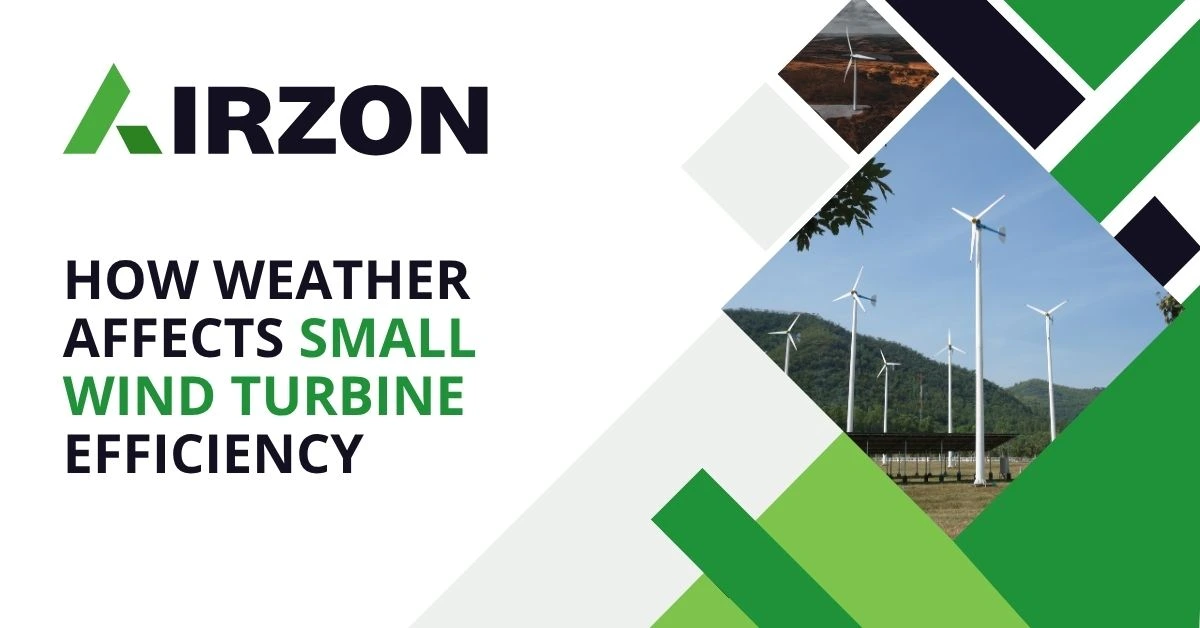
Small wind turbines are becoming an increasingly popular solution for renewable electricity generation in residential, commercial, and off-grid applications. These systems help users reduce dependence on traditional power sources while supporting sustainable and cost-effective energy production. However, the efficiency and performance of small wind turbines are heavily influenced by environmental and weather conditions.
Factors such as wind speed, temperature, storms, humidity, and lightning can directly affect turbine operation and long-term performance. Understanding how weather impacts turbine systems help users improve energy generation, maintain operational safety, and protect renewable energy equipment from environmental damage.
As renewable energy adoption continues growing, understanding weather-related performance factors has become important for maintaining reliable and efficient wind energy systems.
Why Weather Conditions Matter for Small Wind Turbines
Small wind turbines depend entirely on natural wind conditions to generate electricity. Changes in weather patterns can influence:
- Power generation efficiency
- Turbine stability
- Operational safety
- Equipment lifespan
- Maintenance requirements
Consistent environmental conditions help turbines operate more efficiently, while extreme weather may reduce energy output or increase system stress.
Many renewable systems use small wind turbines to support clean electricity generation under different environmental conditions.
Weather Conditions and Their Impact on Small Wind Turbine Efficiency
| Weather Condition | Impact on Small Wind Turbines | Effect on Efficiency |
| Low Wind Speed | Reduces blade rotation and power generation | Lower electricity output |
| Moderate Wind Speed | Supports stable turbine performance | High energy efficiency |
| Strong Wind & Storms | Increases structural stress and vibration | Temporary operational risk |
| Heavy Rainfall | May affect electrical components and maintenance needs | Reduced system stability |
| High Temperature | Can affect electrical and battery performance | Lower operational efficiency |
| Low Temperature | May increase mechanical stress on components | Reduced performance reliability |
| Lightning & Thunderstorms | Risk of electrical damage without protection systems | Safety and operational concerns |
| Humidity & Moisture | Can affect internal turbine components over time | Increased maintenance requirements |
How Wind Speed Affects Turbine Efficiency
Wind speed is one of the most important factors affecting the performance of small wind turbines. Turbines require a minimum wind speed to begin generating electricity efficiently.
Effects of wind speed include:
- Low wind speeds reduce power generation
- Moderate wind speeds improve efficiency
- Extremely high winds may affect system safety
- Consistent wind conditions improve reliability
Proper site selection helps maximize renewable electricity generation and improve long-term turbine efficiency.
Impact of Temperature on Wind Turbine Performance
Temperature changes can affect the mechanical and electrical components of small wind turbines. Extremely high or low temperatures may influence turbine efficiency and maintenance requirements.
Temperature-related impacts include:
- Reduced battery performance
- Increased equipment stress
- Lubrication performance changes
- Electrical system efficiency variations
Modern renewable systems are designed to maintain operational reliability across different weather conditions and environmental temperatures.
Looking for reliable renewable energy solutions? Contact us today to explore small wind turbine systems designed for efficient and safe power generation.
How Storms and Heavy Rain Affect Small Wind Turbines
Storms, strong winds, and heavy rainfall can place additional stress on small wind turbine systems and supporting structures. Severe weather conditions may temporarily affect energy production and system stability.
Common storm-related challenges:
- Increased turbine vibration
- Blade stress
- Electrical disruptions
- Structural pressure
- Maintenance requirements
Proper turbine installation and regular inspections help improve operational safety during harsh weather conditions.
Wind Turbine Lightning Protection System
Lightning is one of the biggest environmental risks for wind turbine systems, especially in areas with frequent storms. A reliable Wind Turbine Lightning Protection System helps protect turbine components from electrical damage caused by lightning strikes.
Protection system benefits include:
- Reduced electrical damage risk
- Improved operational safety
- Better equipment protection
- Reduced maintenance costs
Many modern wind energy systems use advanced grounding and surge protection technologies to improve turbine safety during severe weather.
Importance of a Wind Turbine Protection System
A properly designed Wind Turbine Protection System helps small wind turbines operate safely under changing environmental conditions. These systems are designed to monitor and protect important turbine components.
Protection features may include:
- Overload protection
- Surge protection
- Brake systems
- Temperature monitoring
- Structural safety systems
These technologies help improve turbine durability, operational reliability, and long-term energy performance.
Protection Systems Used for Small Wind Turbine Safety
| Protection System | Purpose | Benefit for Small Wind Turbines |
| Lightning Protection System | Protects turbines from lightning strikes | Reduces electrical damage risks |
| Surge Protection System | Controls sudden voltage fluctuations | Improves electrical safety |
| Brake System | Stops turbines during strong winds | Prevents structural damage |
| Grounding System | Transfers excess electrical energy safely | Improves operational stability |
| Temperature Monitoring System | Tracks component temperature changes | Prevents overheating issues |
| Emergency Shutdown System | Stops operation during faults | Improves turbine safety |
| Structural Monitoring System | Detects vibration and stress levels | Supports long-term turbine durability |
Wind Turbine Safety During Extreme Weather
Maintaining Wind Turbine Safety is important for improving the long-term performance and operational stability of Small Wind Turbines. Regular inspections and preventive maintenance help reduce operational risks during changing weather conditions.
Important safety practices include:
- Routine turbine inspections
- Structural stability checks
- Electrical monitoring
- Lightning protection maintenance
- Emergency shutdown systems
Modern Small Wind Turbines are designed with advanced safety systems to improve operational protection and renewable energy reliability.
Maintenance Tips for Better Small Wind Turbine Efficiency
Regular maintenance helps Small Wind Turbines operate more efficiently under changing weather conditions.
Maintenance recommendations:
- Inspect turbine blades regularly
- Monitor electrical systems
- Check grounding systems
- Maintain protection systems
- Schedule preventive servicing
Proper maintenance helps improve the efficiency, safety, and long-term renewable electricity generation of Small Wind Turbines.
Future of Weather-Resistant Small Wind Turbines
Advancements in renewable energy technology continue improving the durability and operational performance of Small Wind Turbines. Modern systems are increasingly designed to withstand changing weather conditions while maintaining stable electricity generation.
Future developments focus on:
- Improved lightning protection
- Better turbine materials
- Smarter monitoring systems
- Enhanced operational safety
- Improved energy efficiency
These advancements will help Small Wind Turbines support safer and more reliable renewable energy generation in the future.
Frequently Asked Questions
Weather conditions such as wind speed, storms, humidity, temperature, and lightning can directly affect the efficiency and operational performance of Small Wind Turbines.
A Wind Turbine Lightning Protection System helps protect Small Wind Turbines from electrical damage caused by lightning strikes.
Extremely high winds can increase structural stress and affect turbine safety if proper protection systems are not installed.
These systems may include surge protection, grounding systems, brake systems, and safety monitoring technologies.
Wind turbines may slightly influence local airflow patterns, but they do not create significant climate changes.
Conclusion
Weather conditions play an important role in the efficiency, durability, and operational safety of Small Wind Turbines. Factors such as wind speed, storms, temperature changes, humidity, and lightning can directly influence renewable electricity generation and turbine performance.
By using advanced Wind Turbine Protection System technologies and maintaining proper Wind Turbine Safety, users can improve operational reliability and reduce environmental risks. Modern Small Wind Turbines are increasingly designed to withstand changing weather conditions while supporting efficient and sustainable power generation.
As renewable energy adoption continues growing, weather-resistant Small Wind Turbines will remain important for improving long-term renewable energy efficiency and reliable electricity generation.
Related Posts