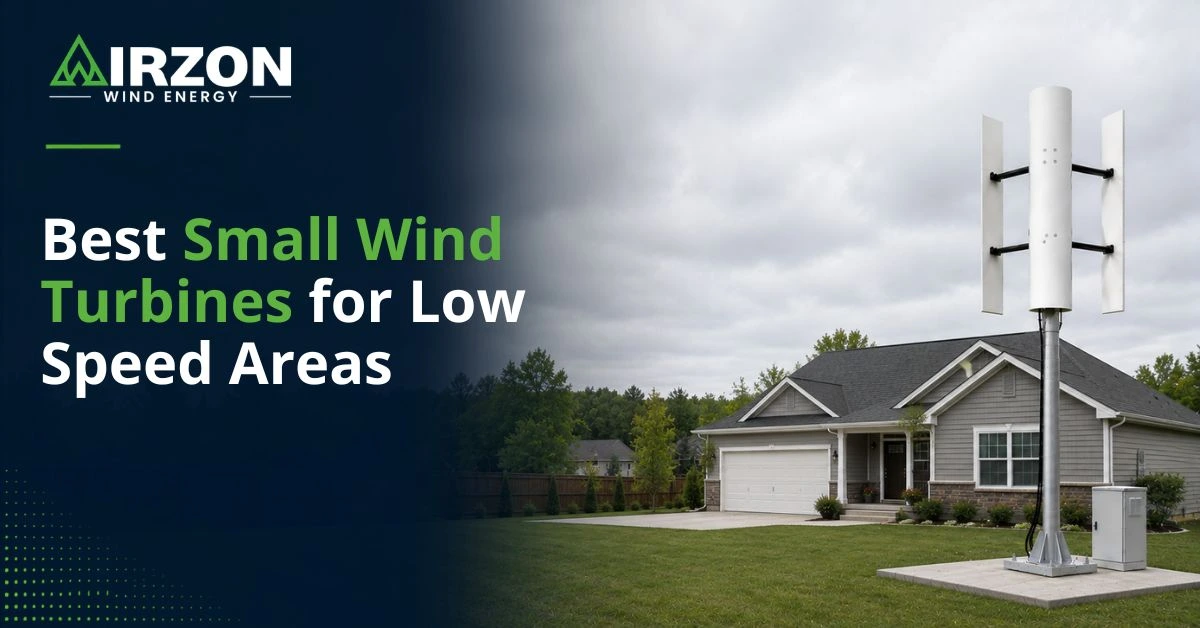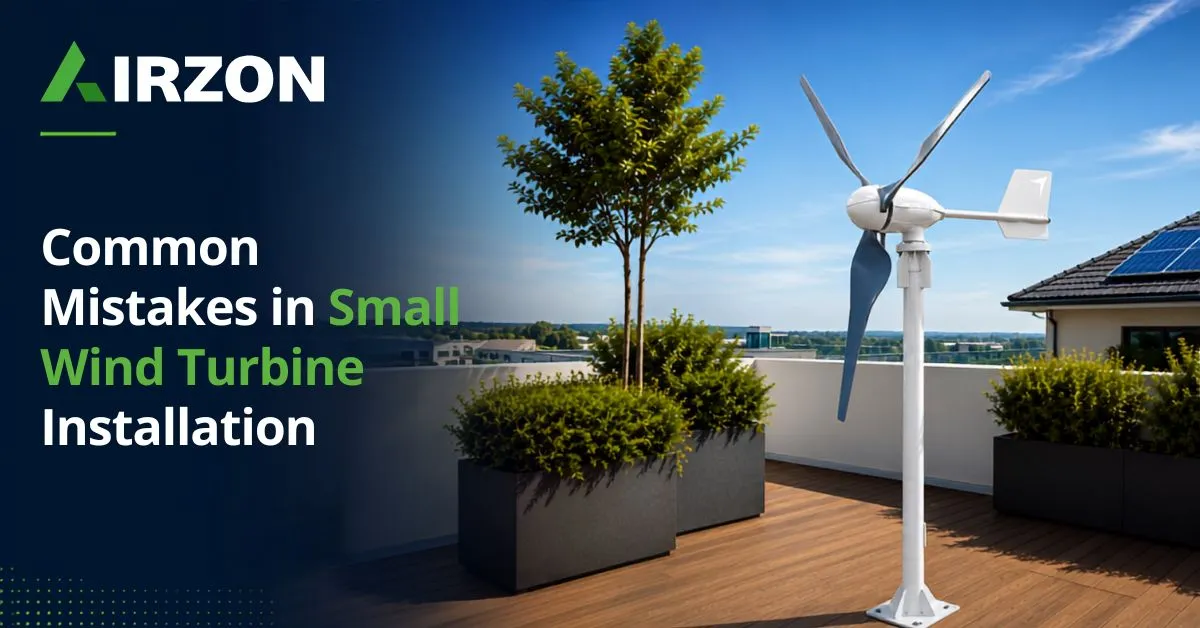
Areas with limited or inconsistent wind resources can still benefit from renewable wind energy when…
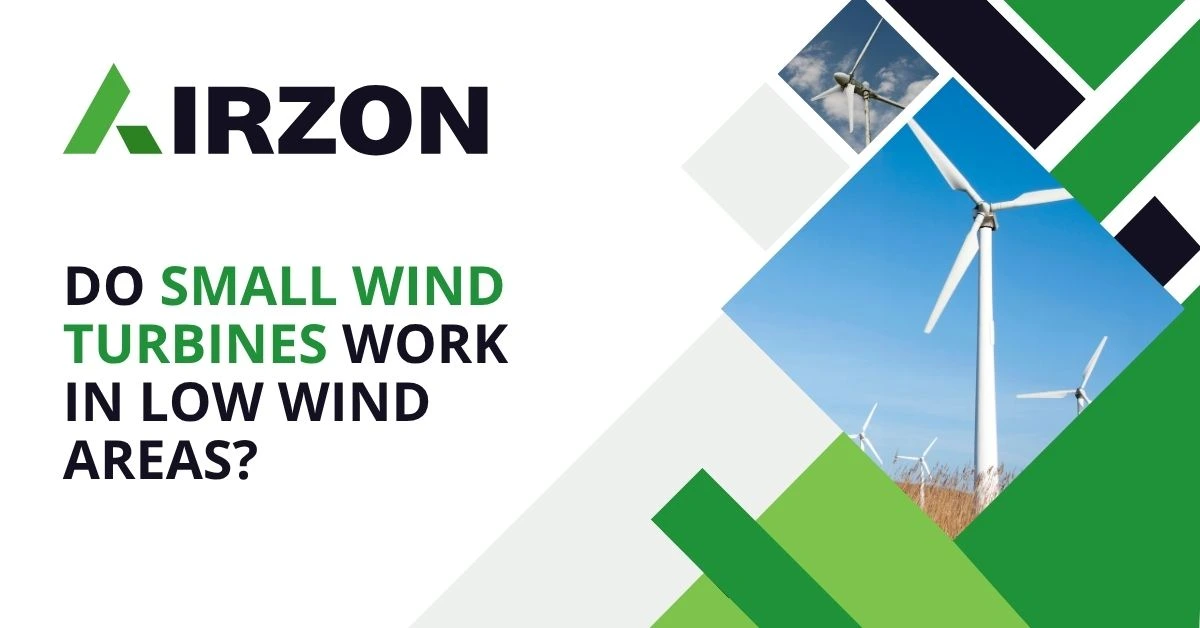
Most people think wind turbines only work in coastal or high-altitude areas where wind is strong. But in reality, a lot of homes and businesses are in places where wind is mild or inconsistent. The big question is—can wind energy still make sense in these conditions?
The answer is yes, but with realistic expectations. Small Wind Turbines are designed to operate in lower wind speeds compared to large utility turbines. However, performance depends on how low the wind is, how consistent it is, and how well the system is planned. It’s not magic—it’s about working with what your location actually offers.
Understanding Real Wind Speeds in Low Wind Areas
In practical terms, low wind areas usually have average wind speeds between 2 to 5 meters per second (m/s). To give a clearer idea, 2 m/s feels like a light breeze on your face, while 5 m/s is when small leaves and branches start moving consistently. Small Wind Turbines are typically designed to start working somewhere in this range.
The challenge is that wind doesn’t blow constantly at the same speed. Some days it may barely move, while on others it may pick up slightly. That’s why consistency matters more than peak speed. In real-world conditions, Small Wind Turbines in low wind areas operate at partial capacity most of the time rather than full output.
Key points:
- Low wind = approx 2–5 m/s
- 2 m/s = very light breeze
- 5 m/s = moderate usable wind
- Consistency matters more than peaks
Minimum Wind Speed Required for Turbines
Every turbine has something called a “cut-in speed,” which is the minimum speed required to start generating power. For most low-wind models, this is around 2 to 3 m/s. Below this, the turbine may spin but won’t generate meaningful electricity. Small Wind Turbines built for low wind are optimized to start early, but output remains limited at lower speeds.
To generate useful power—not just spin—the wind generally needs to reach around 4 to 6 m/s. That’s when energy production becomes more noticeable. In practical setups, Small Wind Turbines in low wind areas produce small but steady energy rather than high output bursts.
Key points:
- Cut-in speed: ~2–3 m/s
- Useful generation: ~4–6 m/s
- Below 2 m/s = almost no output
- Higher speed = better efficiency
Do Small Wind Turbines Actually Work in Low Wind Areas?
Yes, they do—but it’s important to be realistic. In low wind areas, Small Wind Turbines won’t generate large amounts of electricity like they do in windy regions. Instead, they provide a steady, smaller contribution that can reduce electricity usage over time.
In real usage, many people combine wind with solar because wind alone may not meet all energy needs. When installed correctly, Small Wind Turbines can still play a useful role, especially in reducing dependency on grid power.
Key points:
- Works, but output is moderate
- Best for supplementary power
- Depends on local wind pattern
- Works better in hybrid systems
How Wind Speed Directly Impacts Output?
Wind power is not linear—it increases rapidly with speed. For example, if wind speed doubles, the energy output can increase by up to 6–8 times. That means small changes in wind speed can make a big difference. Small Wind Turbines in low wind areas often operate at lower efficiency because they rarely reach higher speeds.
This is why a location with 3 m/s average wind may produce significantly less energy than one with 5 m/s. In real conditions, Small Wind Turbines rely heavily on capturing every bit of available airflow efficiently.
Key points:
- Power increases rapidly with speed
- Small speed changes = big output change
- Low wind = lower efficiency
- Consistent airflow helps
Importance of Choosing the Right Turbine Type
Not all turbines behave the same in low wind conditions. Vertical axis turbines are often more suitable because they don’t need wind to come from a fixed direction. Wind Turbines with lighter blades and optimized design also start spinning more easily at low speeds.
In real-world use, the wrong turbine type can result in very poor performance. Choosing the right Small Wind Turbines specifically designed for low wind areas is one of the most important decisions.
Key points:
- Vertical turbines handle low wind better
- Direction-independent operation
- Lightweight blades improve start
- Design affects performance
Looking to install Small Wind Turbines even in low wind areas? Contact us today for expert advice and the right solution for your needs.
Importance of Installation Height and Location
Height can make a noticeable difference in wind speed. For example, wind speed at 10 meters height might be around 3 m/s, but at 20–25 meters, it can increase to 4–5 m/s depending on the area. That small increase can significantly improve output. Small Wind Turbines benefit greatly from being installed higher.
In real setups, rooftops are common, but if possible, a small tower installation is better. Avoid placing Small Wind Turbines near walls, trees, or buildings where wind becomes turbulent.
Key points:
- 10m height = lower wind
- 20–25m height = better airflow
- Avoid obstacles
- Higher = more consistent wind
Role of Wind Consistency in Real Performance
Even if wind speed is low, consistency can make a big difference. A steady 3–4 m/s wind for several hours is more useful than short bursts of 6 m/s. Small Wind Turbines depend on continuous rotation to generate usable energy.
In real conditions, areas with stable airflow—even if slow—perform better than areas with irregular wind. That’s why studying local wind patterns is important before installing Small Wind Turbines.
Key points:
- Consistent wind improves output
- Irregular wind reduces efficiency
- Stability is key
- Continuous airflow helps
Common Mistakes in Low Wind Areas
One common mistake is installing turbines too low or in blocked areas. This reduces airflow significantly. Small Wind Turbines placed in such conditions may spin occasionally but won’t generate useful energy.
Another mistake is expecting high output from low wind. In reality, Small Wind Turbines in these areas are meant to support energy needs, not replace them completely.
Key points:
- Poor placement reduces output
- Ignoring wind flow direction
- Unrealistic expectations
- Wrong turbine selection
Real-Life Output Expectations
In low wind areas, a small turbine might generate 10–30% of its rated capacity on average. For example, a 1 kW turbine may produce around 100–300 watts depending on wind conditions. Small Wind Turbines rarely operate at full capacity in such regions.
This doesn’t mean they are useless—it just means output is gradual. Over time, Small Wind Turbines can still contribute to noticeable energy savings.
Key points:
- 10–30% average output
- Depends on wind speed
- Not full capacity usage
- Long-term benefit
Combining Wind with Solar for Better Results
Low wind areas often benefit from hybrid systems. Solar panels generate energy during the day, while wind can contribute during evenings or cloudy weather. Small Wind Turbines work well as part of this combined setup.
In real applications, hybrid systems provide more reliable energy than relying on a single source. Using Wind Turbines alongside solar improves overall consistency.
Key points:
- Hybrid systems are more reliable
- Solar + wind balance output
- Works in different conditions
- Improves energy stability
When Should You Consider Small Wind Turbines?
If your location has at least 3–5 m/s average wind speed and relatively open surroundings, then wind energy can be considered. Small Wind Turbines are more suitable when there is consistent airflow and enough height for installation.
It’s always better to evaluate your location first rather than assuming performance. In practical terms, Small Wind Turbines work best when expectations match real conditions.
Key points:
- Minimum ~3 m/s average wind
- Open space preferred
- Height improves results
- Site evaluation is important
Frequently Asked Questions
They may start spinning at 2 m/s, but meaningful power generation usually begins from around 3–4 m/s wind speed.
Ideal wind speed is around 4–6 m/s for consistent and useful energy generation in most small wind turbine systems.
They typically generate around 10–30% of rated capacity depending on wind consistency and installation conditions.
Yes, installing turbines at higher elevations like 20–25 meters significantly improves wind speed and overall energy output.
Yes, if expectations are realistic and system is planned properly, they provide long-term energy savings and support renewable energy usage.
Conclusion
Small wind systems can work in low wind areas, but they require realistic expectations and proper planning. Small Wind Turbines are not designed to deliver high output in such conditions, but they can still provide steady and useful energy when installed correctly. The key is understanding your local wind conditions and selecting the right system accordingly.
With average wind speeds between 2 to 5 m/s, performance will vary, but even moderate output can contribute to long-term energy savings. When combined with smart placement and possibly other renewable sources, Small Wind Turbines become a practical and sustainable solution for reducing electricity costs and improving energy independence.
Related Posts